How Long Can a Car Just Sit Without Being Driven
A car can sit unused indefinitely, but how long it stays fully insured depends on whether you'll keep, sell, or drive it again.
A second car nobody drives anymore
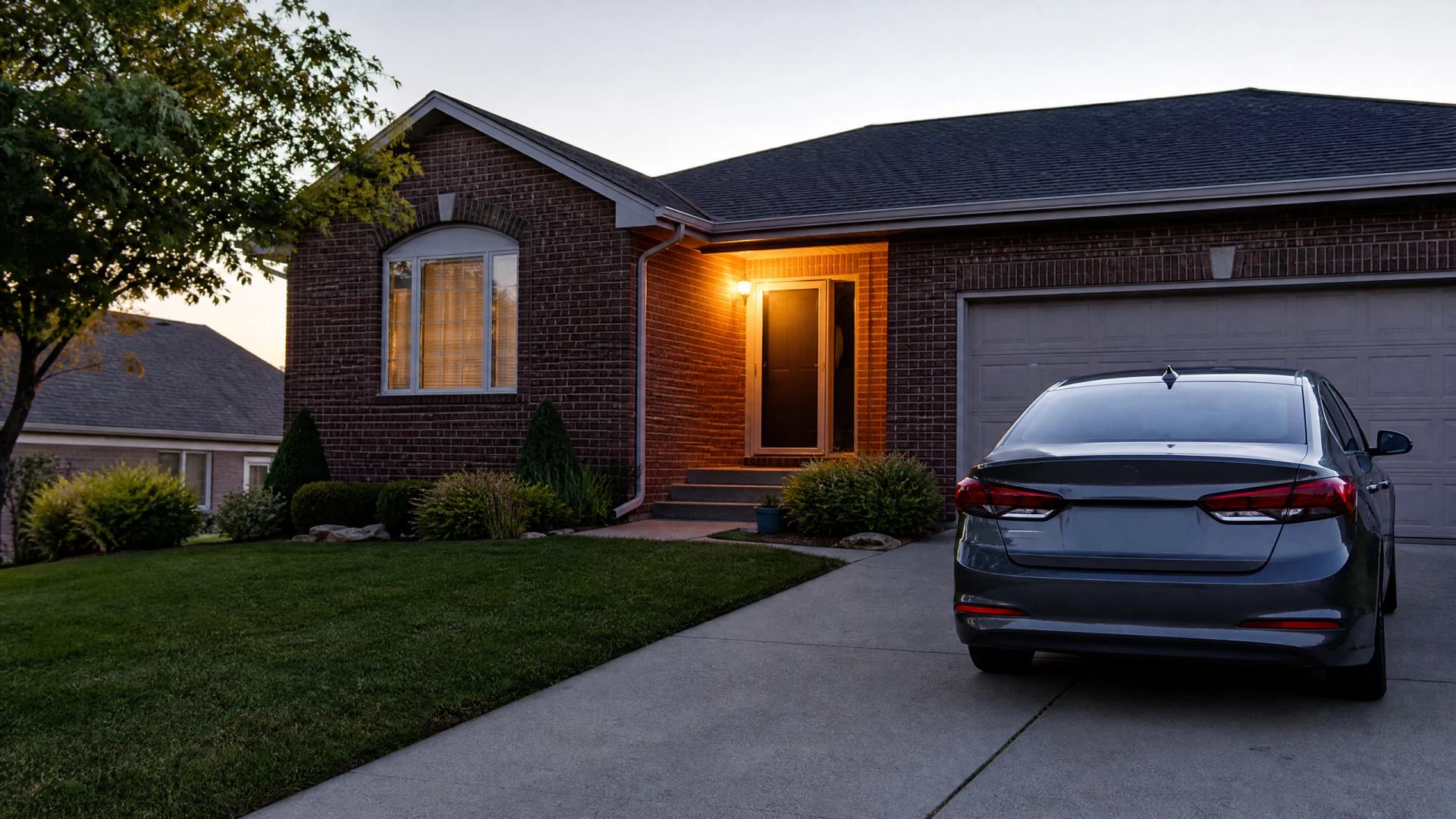
After her husband passed, Carol had two cars in the driveway. Hers, which she drove daily, and his sedan, which had been sitting untouched for weeks. She didn't want to make any big decisions right away, but the insurance bill for both cars came due and she had to decide what to do with his car's coverage.
She called the insurer and asked what her options were. Rather than cancel the policy outright, she switched his car to a reduced coverage that protected against theft, fire and weather damage, but dropped the parts of the policy that only matter when a car is being driven. This cost less each month and kept the car protected while she figured out whether to sell it or give it to a family member. A few months later, once she'd decided to sell, she had the coverage in place right up until the sale, so there was never a gap.
Should you cancel insurance on a car nobody is driving?
Not usually, at least not right away. Canceling insurance entirely leaves the car unprotected from theft, fire, vandalism and weather, which can still happen to a parked car. It can also create a gap in your insurance history, which some insurers look at when they set future rates.
A better move for a car that's sitting but still registered and owned is to ask about reduced coverage that covers the car when it's not being driven. This keeps protection in place for a lower cost than full coverage. If you've decided to sell the car or you're certain no one will ever drive it again, that's when canceling makes more sense, especially once the title has changed hands or the car is no longer registered.

Once you know whether that car is staying, going, or just resting for now, compare quotes for coverage that fits it.
Keeping the policy active on a car that's parked
If you do
The car stays protected from theft, fire, weather and other damage even while it sits. You avoid a gap in your insurance history, which can matter later. You can ask about reduced coverage so you're not paying full price for a car no one is driving right now.
If you don't
The car has no protection at all. If it's stolen, damaged by weather, or hit while parked, you pay the full cost yourself. Depending on your state, driving it again later may also require new paperwork, and some insurers may treat the gap as a reason to raise your rate.
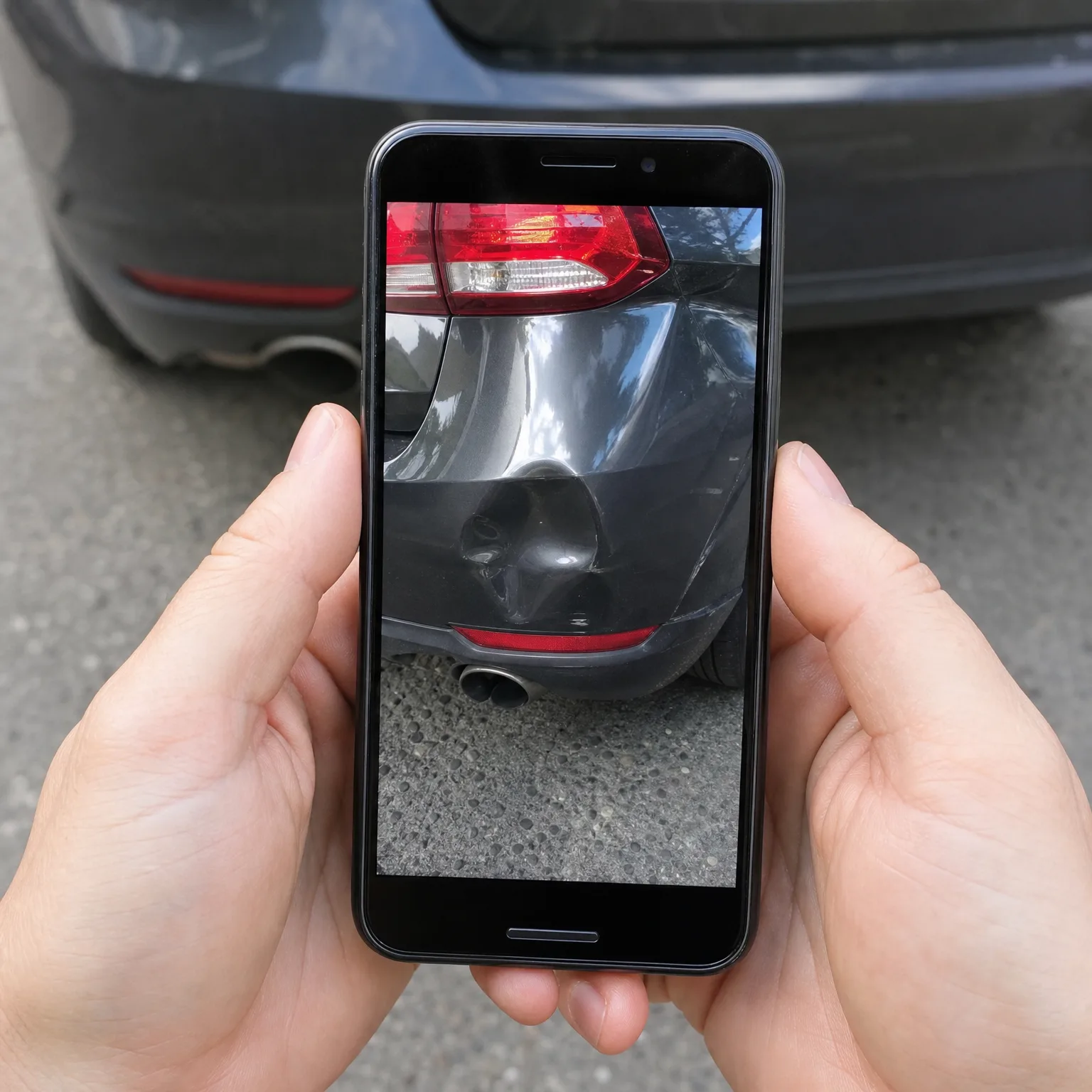
What to decide about a car that isn't being driven
- Check your state's rules first Some states require continuous insurance as long as a car is registered, even if it never leaves the driveway. Look up what your state requires before changing anything.
- Ask about reduced coverage Most insurers offer a version of coverage for parked cars that drops the parts tied to driving but keeps protection against theft, fire and weather. This usually costs less than full coverage.
- Don't cancel while registered Canceling insurance on a registered car can violate state law and may lead to fines or a suspended registration. Only cancel once you've deregistered the car or sold it.
- Decide the car's future first What you do with the insurance depends on what happens to the car next. A car you'll sell soon needs coverage only until the sale closes, while a car you're keeping long term suits reduced coverage.
- Watch for a coverage gap Letting insurance lapse completely can make you look riskier to insurers later, even for a different car. If you're unsure what to do, reduced coverage keeps your history continuous.
Does a parked car still need to pass inspection or stay registered?
In most places, yes, as long as the registration is active, which usually means inspection and insurance requirements stay in effect too. The way to stop these requirements is to formally deregister the car, not just leave it parked. Check with your state's motor vehicle agency, since some let you file the car as non-operational, which can pause both registration and inspection requirements until you're ready to drive it again.
Will my rates go up if I let the insurance lapse on an unused car?
It's possible, because insurers often look at whether your coverage has been continuous. A lapse, even on a car you weren't driving, can signal risk to some insurers and lead to a higher rate when you reapply. This varies by insurer and by state, so ask directly how they treat lapses before letting a policy end, especially if you expect to need coverage again within the next year or two.
Can I drive the car occasionally if it has reduced coverage?
Usually not without changing the policy first, since reduced coverage typically excludes driving entirely. If you think you might need to move the car, even rarely, tell your insurer before you do, because driving it uninsured for liability could leave you responsible for any accident. Ask specifically what the reduced coverage allows, since the rules differ by insurer and sometimes by state.