What Is the Best Way to Store a Car Long Term
Switch the car to a policy that covers it while it's parked, rather than cancelling coverage altogether.
A second car nobody drives anymore
After her husband passed, a woman found his truck still sitting in the garage. It had been his, and she hadn't touched it since the funeral. The full insurance policy was still active, premium and all, covering a vehicle no one planned to drive. She wasn't sure if cancelling would leave the truck unprotected, or if keeping full coverage was a waste of money while she figured out what to do with it.
She called the insurer, explained the situation, and asked what her options were. They moved the truck to a policy that covered damage, theft, and weather while it sat unused, without covering the cost of driving it. That bought her time. Six months later, once the estate was settled, she sold the truck to a neighbor's son and removed it from the policy entirely. Nothing was rushed, and nothing was left exposed in the meantime.
Should I cancel the insurance completely if the car just sits there?
No, not if the car still has value and sits somewhere it could be damaged, stolen, or vandalized. Dropping coverage entirely saves money in the short term, but it leaves you paying out of pocket for anything that happens while the car is unprotected, including fire, falling branches, flooding, or theft.
The better move is almost always to switch to the kind of coverage meant for a parked, undriven car rather than cancel outright. That keeps the car protected against the things that can happen to it sitting still, without paying for the part of coverage that only matters when a car is being driven. If the car has little value or you've already decided to sell it quickly, cancelling may make sense, but check with the insurer first about what a gap in coverage might mean for your rates later.

Switching to parked-car coverage versus cancelling outright
If you do
The car stays protected against fire, theft, falling objects, and weather while it sits unused. You keep a continuous insurance history, which matters if you decide to drive the car again or sell it with coverage intact. The cost drops because you're no longer paying for the part of coverage tied to actual driving.
If you don't
You stop paying anything, but the car has zero protection. If it's stolen, damaged by weather, or hit while parked, you cover the full cost yourself. You may also create a gap in your insurance history, which some insurers look at when you go to insure a car again later.
Once you know whether to keep the car insured or switch its coverage, compare quotes for exactly that option.
What to settle before the car sits for a long stretch
- Check whose name it's in If the title or policy is still in a spouse's name, insurers need to know before they'll issue or change coverage. Ask what documents they require to update it.
- Ask about parked-car coverage Most insurers offer a version of coverage built for cars that aren't being driven. It protects against theft and damage but costs less than full coverage.
- Decide how long it's really for A few months and a few years call for different decisions. If you're unsure, ask the insurer what happens if your plans change partway through.
- Keep the registration current Letting registration lapse can complicate insurance and create problems if you decide to sell or drive the car later. Check your state's rules on this.
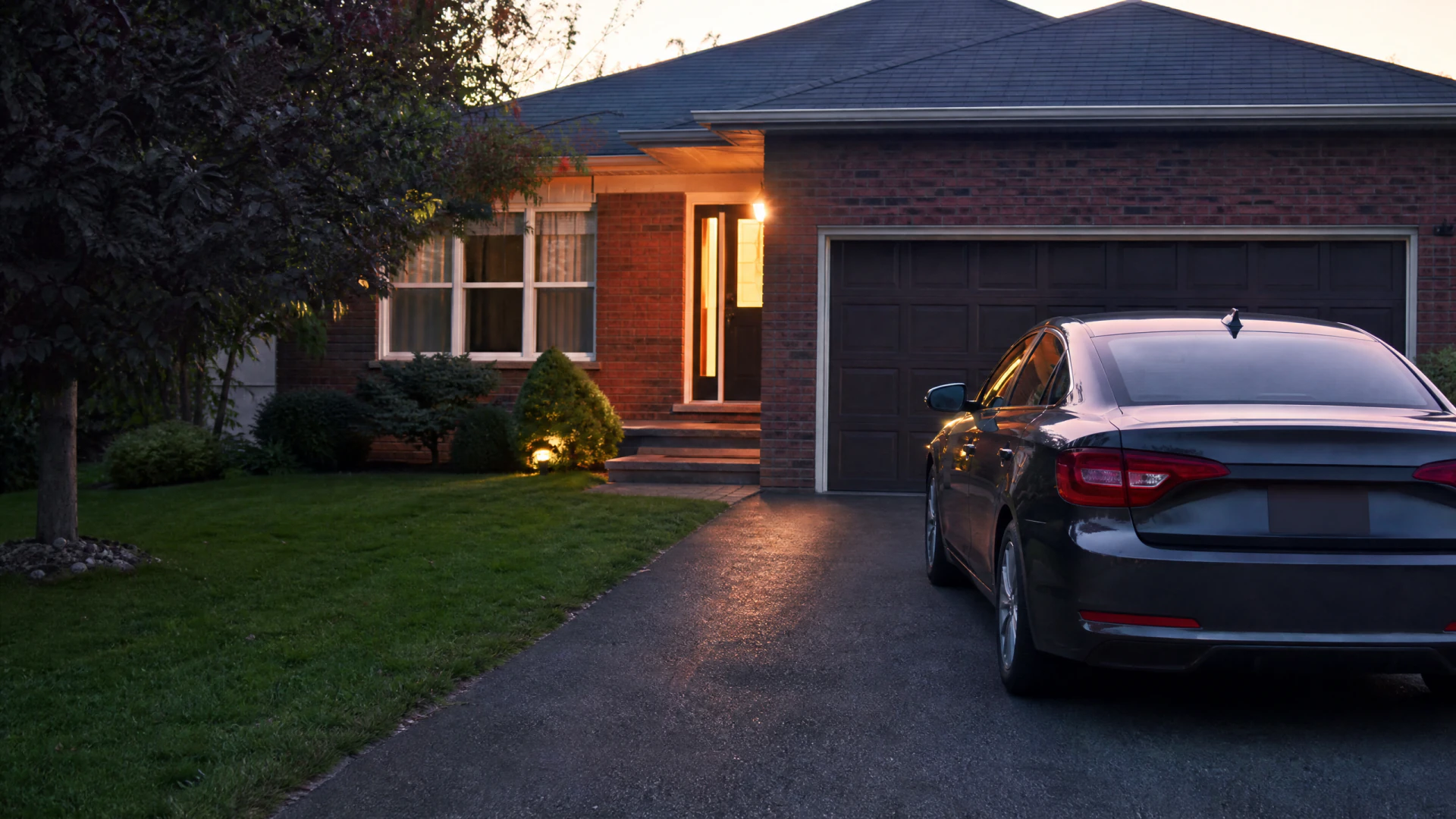
- Store it somewhere specific Where the car sits, a garage, a driveway, or the street, can affect what coverage costs and what it protects against. Tell the insurer exactly where it will be.
An unused car still needs a decision. Doing nothing is a choice too, and usually the costliest one.
Does a car battery die if the car sits too long without driving?
Yes, batteries drain over time even when a car isn't driven, especially in cold weather or if anything draws power while it's parked. Most batteries can last a few months before needing a charge or replacement, but this varies by battery age and type. If you're storing the car for a long stretch, disconnecting the battery or using a maintainer prevents this. This doesn't affect your insurance, but it does affect whether the car runs when you're ready to use it again.
Can I remove a car from my policy without cancelling the whole policy?
Yes, if you have more than one car on the policy, you can usually remove just one vehicle while keeping the rest active. Call your insurer and ask them to take the car off the policy or switch it to parked-car coverage instead. If it's the only car on the policy, removing it may end the policy entirely, so ask what that means for your rates if you need coverage again later.
What happens to a car title when a spouse dies?
It depends on your state and how the title was held. In many cases, if the title listed both spouses, it can transfer to the surviving spouse with a death certificate and some paperwork. If it was only in the deceased spouse's name, it may need to go through probate first. Check with your state's motor vehicle office, since the process and required documents vary. An insurer usually needs this resolved before changing who the policy is in.