How Long Does It Take for a Policy to Lapse
Most insurers give you somewhere between a few days and about a month after a missed payment before the policy actually lapses.
Why insurers give you a window instead of cutting you off
Insurers don't want to cancel policies. Processing a lapse, then a reinstatement, then possibly a new application costs them more than just waiting a bit for a late payment. So nearly every policy has a grace period built in, a stretch of time after a missed due date where coverage technically continues while the company waits to see if you'll pay.
How long that window lasts depends on your state and your insurer. Some states set a minimum grace period by law, others leave it entirely up to the company. The number of days, how you're notified, and whether a lapse shows up on your record all vary. Check your policy documents or call your insurer directly to find out what applies to you.
There's a difference between a late payment and a lapse. Being a few days late usually doesn't end your coverage, it just puts you in that grace window. A lapse happens when that window closes with no payment made, and the policy is formally cancelled. At that point you're not just late, you're uninsured, and getting coverage back often means a new application rather than a simple reinstatement.
This matters especially when a policy is still in a spouse's name. If payments were automatic and you're not sure they're still going through, or if a bill arrives and you're unsure whether to pay it under the old name or switch things over first, the grace period is your breathing room. Use it to make a decision, not to avoid one.
The short version
A missed payment doesn't end your coverage immediately. Insurers build in a grace period, often days to a few weeks, before a policy actually lapses. Check your policy or call your insurer to find your exact window, then decide whether to pay, switch, or cancel before it closes.

What to check before the grace period runs out
- Find your exact grace period Your policy document or your insurer's customer service line will state the number of days you have. Don't assume it matches a policy you've had before.
- Confirm who the policy covers If the policy is in your spouse's name, find out if you're already a listed driver or if the policy needs to be transferred to continue without a gap.
- Check if autopay is still active Automatic payments tied to a spouse's bank account or card may stop working without warning. Confirm the account is still live before relying on it.
- Decide about the unused car now If nobody drives it, you can still keep minimal coverage rather than letting the policy lapse. Letting it lapse can make it harder and costlier to insure later.
- Know the cost of a lapse later A lapse can mean higher rates when you reinsure, since insurers see continuous coverage as lower risk. Ask your insurer how a lapse would affect your options.
Once you know your grace period and what to keep, compare quotes to see what coverage looks like under your own name.
What happens if the policy lapses before I sort everything out?
If the policy fully lapses, your coverage ends, and driving the car becomes uninsured driving in most states, even if you thought you still had time. You'd need to buy a new policy to drive legally again, and that new policy may cost more because insurers often charge higher rates to drivers with a recent lapse, treating it as a sign of risk rather than a life circumstance.
The fix isn't complicated though. Before the grace period ends, call the insurer and either make the payment, transfer the policy into your name, or formally cancel it if the car won't be driven. Any of those actions, taken before the deadline, prevents a lapse from happening at all. The grace period exists precisely so you have time to make that choice instead of being caught off guard.

A policy still billed to a spouse who has passed
Carol's husband managed their two cars and the insurance for both. After he passed, a bill arrived addressed to him, due in about two weeks. She wasn't sure if paying it would cause problems with the name on the account, or if she should wait and call the insurer first. She also wasn't driving one of the two cars anymore and didn't know if she should keep paying for it at all.
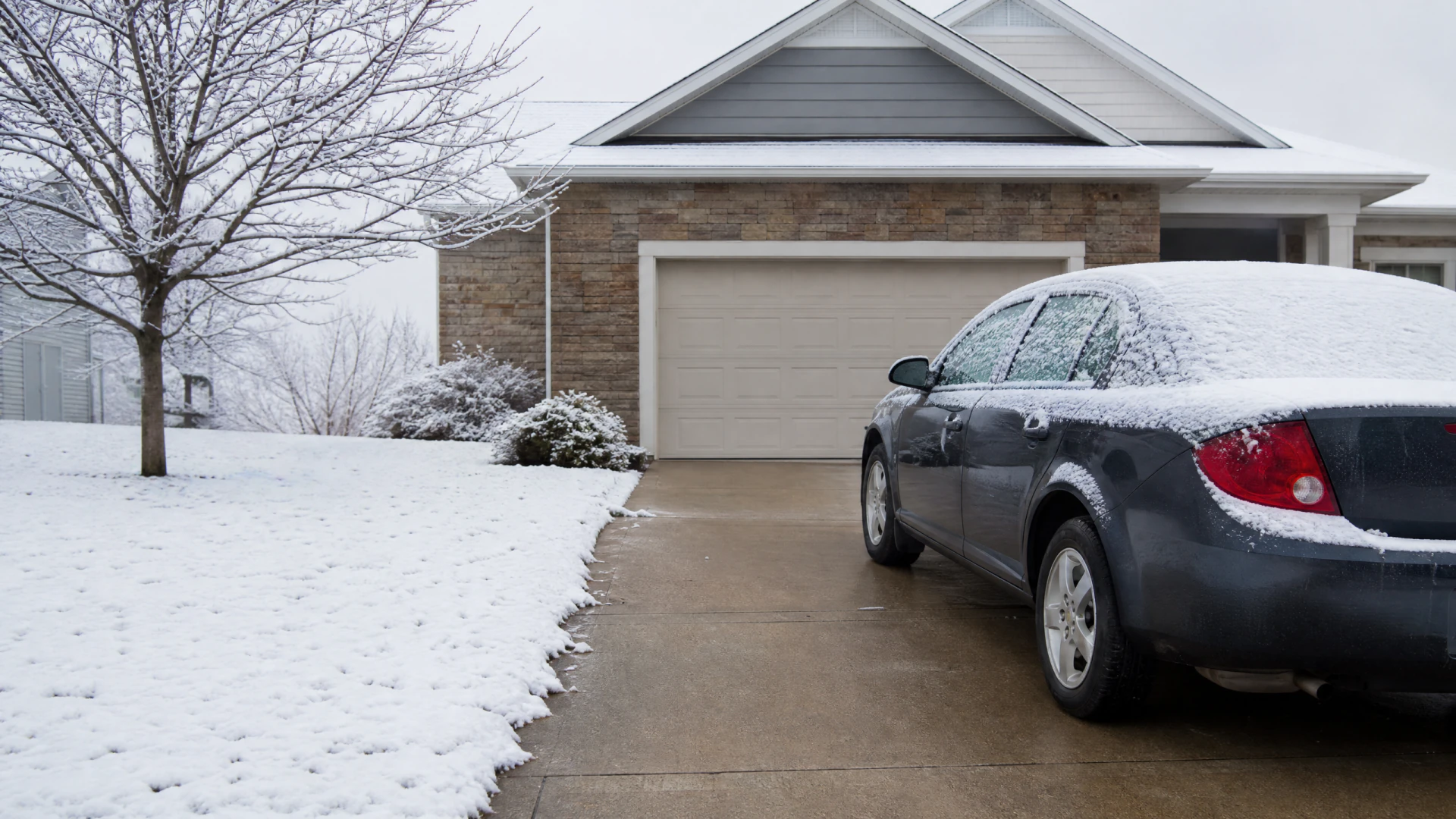
She called the insurer before the due date, explained the situation, and asked about the grace period so she knew exactly how much time she had. They walked her through transferring the policy into her name for the car she drove daily, and for the second car, she chose to keep a reduced coverage rather than let it lapse completely, since the car still had value and sat in her driveway. Nothing lapsed, the paperwork took about twenty minutes on the phone, and she avoided both a coverage gap and a confusing cancellation process.
Does a lapse show up when I apply for new insurance?
Yes, insurers typically check for recent coverage gaps when you apply. A lapse can lead to higher rates since it signals risk to the new company, even if the reason was a death in the family or simple paperwork delay. Ask any new insurer directly how they treat a recent lapse, since some weigh it more heavily than others, and explaining the circumstance may help in certain cases.
Can I cancel a policy instead of letting it lapse?
Yes, and it's usually better to cancel on purpose than let a policy lapse by accident. A cancellation you initiate is a clean, documented choice, while a lapse can look like missed payments or irresponsibility on your record. Call your insurer directly to cancel, and ask whether any refund is owed for time already paid for.
Do I need to keep insurance on a car nobody drives?
It depends on your state and whether the car is still registered. Many states require continuous insurance on any registered vehicle, even if it's parked. Check your state's requirement and consider either keeping minimal coverage or formally removing the car from registration if it won't be driven again.