How Long to Keep Insurance After Selling a Car
Keep the policy active until the buyer has the title in their name and the plates are off your account.
What has to happen before you cancel
- Title signed and dated The title needs to show the buyer's name and a date before the car is really theirs. Until then, you're still the owner of record if something goes wrong.
- Plates off the car Many states tie your insurance to the plates, not just the car. Return or transfer the plates before you cancel so you're not holding coverage on nothing.
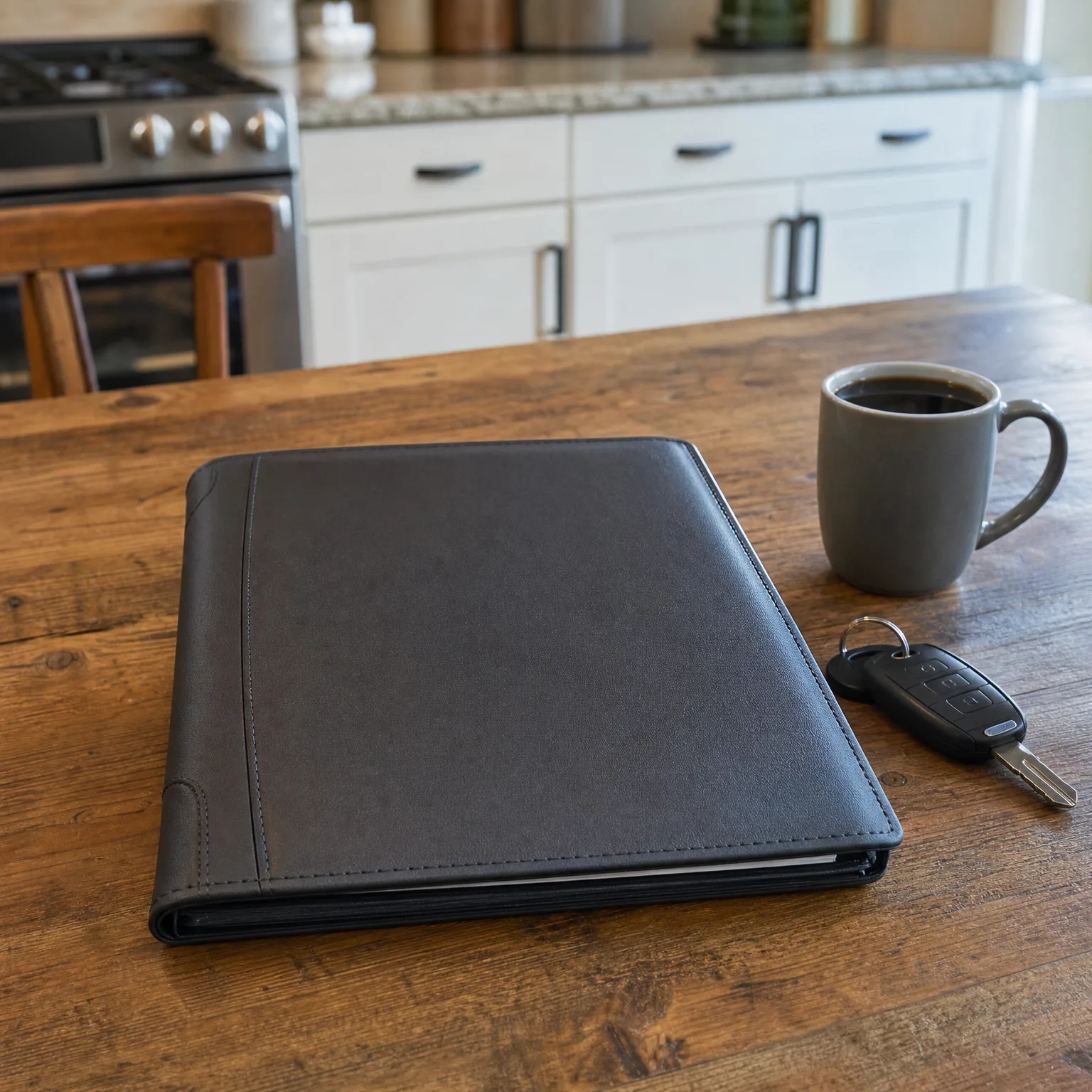
- Bill of sale saved Keep a copy of the signed bill of sale with the date and odometer reading. If a question ever comes up about who owned the car on a given day, this is your proof.
- DMV notified Most states want you to report the sale separately from the title transfer. Check your state's process, because this step is what protects you from future tickets or tolls on the car.
- New car insured first If you're replacing the car, get the new policy active before the old one ends. A short gap in coverage can follow you and raise rates later.
Selling the second car after years of it sitting unused
After her husband passed, Carol realized the sedan he used for errands hadn't moved in months. She found a buyer through a neighbor and they agreed on a price over the weekend. Carol signed the title, wrote up a simple bill of sale with the date and mileage, and the buyer paid her in full before driving off with the car.
She didn't cancel the policy that day. She waited until she'd confirmed the buyer had registered the car in his name, which took about a week, and she kept her copy of the signed title in case anything came up. Once she saw his registration go through, she called her insurer and removed the car from her policy, keeping coverage on her own car untouched. A month later a toll notice arrived at her address from a day after the sale. Because she had the dated bill of sale, she forwarded it to the new owner and it was resolved without any trouble.
What if the buyer never registers the car in their name?
This is the scenario worth protecting yourself against, because an unregistered car can still come back to you in the form of tickets, tolls, or even liability if it's in an accident. The bill of sale and signed title are your proof that you no longer own the car, even if the buyer is slow or never finishes the paperwork on their end.
If months pass and you're still getting mail or notices tied to that car, contact your state's DMV directly. Most states let you file a notice of transfer or release of liability using your bill of sale, which formally puts the ownership change on record even without the buyer's cooperation. This is also why keeping that signed paperwork matters more than people expect, long after the sale feels finished.
Once you know when to drop the car, compare quotes to make sure your remaining coverage still fits what you drive.

Why the paperwork order matters more than the date
Insurance follows ownership and registration, not just who has the keys. As long as a car is registered in your name, you're the one legally connected to it, which means tickets, accidents, or tolls can trace back to you even after you've handed over the keys and the cash. That's the real reason to wait on canceling until the transfer is actually recorded, not just agreed to.
States handle the mechanics differently. Some tie insurance directly to license plates, so removing the plates matters as much as transferring the title. Others care mainly about the title and registration, with plates handled separately. Check your state's DMV process so you know exactly which steps finalize the sale on their end, because that's what protects you, not just your own sense that the deal is done.
There's also a difference between removing one car from a policy and canceling the whole policy. If you still have another car, you're just adjusting the policy, not ending it, and that's usually simple once the sale is confirmed. If this was your only car, you're deciding whether to drop coverage entirely or keep a minimal policy, and that decision depends on whether you plan to buy another car soon and how your state treats coverage gaps.
The cases where this gets complicated usually involve informal sales, like selling to a friend or family member who's slow to register the car. In those cases, lean on the paperwork. A dated bill of sale and a signed title are what protect you if the registration takes longer than it should, or never happens at all.
The sale isn't finished when the money changes hands. It's finished when the paperwork says so.