How Much Car Insurance Do You Really Need
You need enough coverage to protect what you own now, not whatever level of coverage your household carried before.
Coverage should match the life you have now, not the one you had
Insurance exists to protect what you'd lose in a bad situation. That means two separate things: the damage you could cause to other people and property, and the value of what you own that could be damaged or taken. When a household goes from two incomes and two drivers to one, both of those numbers usually change, even if nobody has sat down and recalculated them yet.
The liability piece, which covers harm you cause to others, should generally reflect what you have to lose, not just what the car is worth. If you own a home or have savings, you're a bigger target in a lawsuit than someone with few assets, and your coverage should reflect that regardless of your marital status. This is one of the few places where it's worth going higher than whatever the policy currently has, especially if your spouse was the higher earner and the policy was sized around their exposure, not yours.
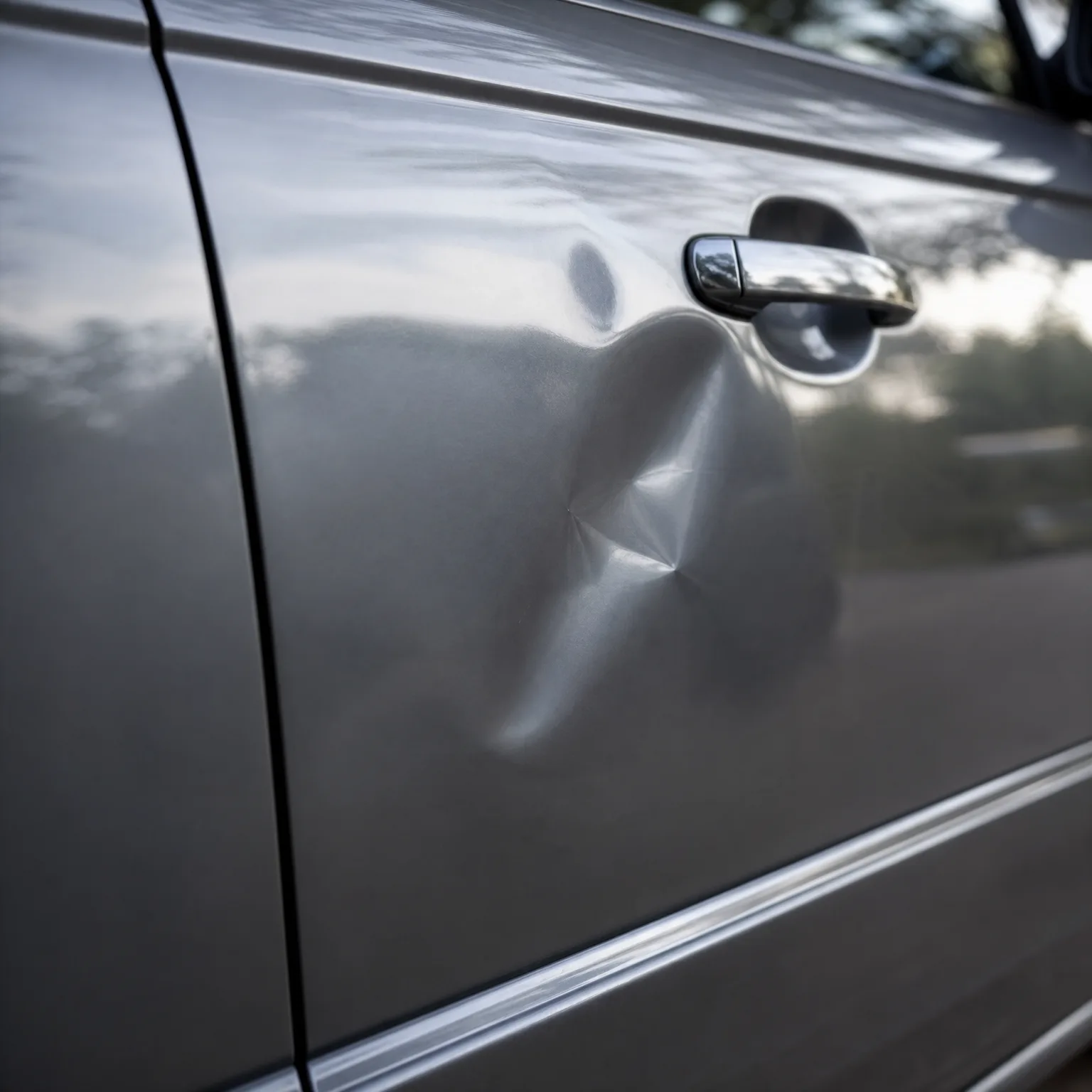
The physical damage piece, which covers your own car, works differently. If the car is older, paid off, and not worth much, the payout in a claim may be small compared to what you're paying for that coverage every year. This is especially worth checking for a second car nobody drives much anymore. Here the math can go the other way from liability, toward less coverage rather than more.
What varies by state is how liability limits are set, whether there are minimums that affect you, and how a car can be retitled after a spouse's death. Check with your state's motor vehicle office and the insurer directly, since both the title transfer process and the coverage rules depend on where you live.
Should I drop coverage on the car nobody drives anymore?
Not necessarily, and it depends on whether the car is still titled, insured, and legally parked somewhere, or whether you're ready to sell or transfer it. If you're keeping the car for now, most insurers offer a reduced coverage option for vehicles that are stored and not driven, which keeps you protected against fire, theft, or weather damage without paying for the parts of coverage built around daily driving.
If you know you want to sell or give away the car, the more useful question is timing. Dropping coverage before the title is actually transferred can leave you exposed if anything happens to the car while it's still legally yours. Settle the title first, then adjust or cancel the policy on that car specifically, rather than doing it the other way around.
The policy you inherited was sized for a different household than the one you have now.
Once you know what coverage actually fits your situation, compare quotes to see what it costs elsewhere.

Keeping the unused car insured versus letting it go
If you do
You keep paying for a policy on a car that may sit untouched for months. If you switch it to a stored-vehicle or reduced-use option, the cost drops but you're still protected against theft, fire, or weather damage, and the title stays clean for whenever you decide to sell, gift, or keep it.
If you don't
You stop paying for that car, which feels simpler right away. But if it's still titled in your name or your late spouse's name and something happens to it, a break-in, a fallen tree, a storm, you have no coverage and the cost falls on you entirely, right when you're already managing enough.
A second car and a policy still in a spouse's name
Linda's husband handled their insurance for over thirty years, and after he passed she found two cars on one policy, a sedan she drives daily and a truck he used for weekend projects that now sits in the driveway. She didn't know the liability limits, didn't know if the truck was still worth insuring fully, and didn't want to make a mistake that left her without coverage during an already hard stretch.
She called the insurer directly, explained the situation, and asked them to walk through the policy line by line. The truck's coverage dropped to a stored-vehicle option since she wasn't driving it, which cut that part of the cost significantly while still protecting it from theft and weather. On her own car, she raised the liability limits, since she now owned the house outright and had more to protect than the policy assumed. She kept both cars titled as they were until she decided whether to sell the truck, so there was no gap in ownership or coverage. Six months later, she sold the truck to a neighbor, transferred the title first, and only then removed it from the policy entirely. The whole process took one phone call and one quiet afternoon of paperwork, far less than she'd feared.