How Often Should I Start a Car if It Is Not in Use
Start it about once a week and drive it for at least ten to fifteen minutes, not just idling in place.
Why driving it beats just starting the engine
Starting the engine and letting it idle for a few minutes feels like it's doing something, but it mostly isn't. The engine never gets up to full operating temperature, so moisture that builds up inside doesn't fully burn off. That moisture is what causes corrosion in places you can't easily see, like exhaust components and parts of the engine itself.
Actually driving the car matters more than starting it. Movement circulates fluids through the transmission, the brakes, and the power steering system, not just the engine. It also flexes the tires, which keeps them from developing flat spots where they've been sitting, and it recharges the battery in a way that idling barely does.
How often you need to do this depends on the car and the conditions it's sitting in. A car in a dry, temperature stable garage can go longer between drives than one sitting outside through humidity or freezing weather. Short trips around the block are better than nothing, but a longer drive on a highway does more to clear out moisture and keep seals and gaskets from drying out.
The cases where this changes are mostly about storage. If the car is going to sit for months rather than weeks, the better move is often a proper storage preparation rather than periodic driving, things like disconnecting the battery, adding fuel stabilizer, and keeping it off the ground if possible. Ask a mechanic or the owner's manual what's right for that specific car before assuming weekly starts will cover it.
What actually needs attention on an unused car
- The battery Batteries drain even when a car sits still, and a full drive recharges it better than idling. If it won't be driven for a long stretch, consider a trickle charger instead.
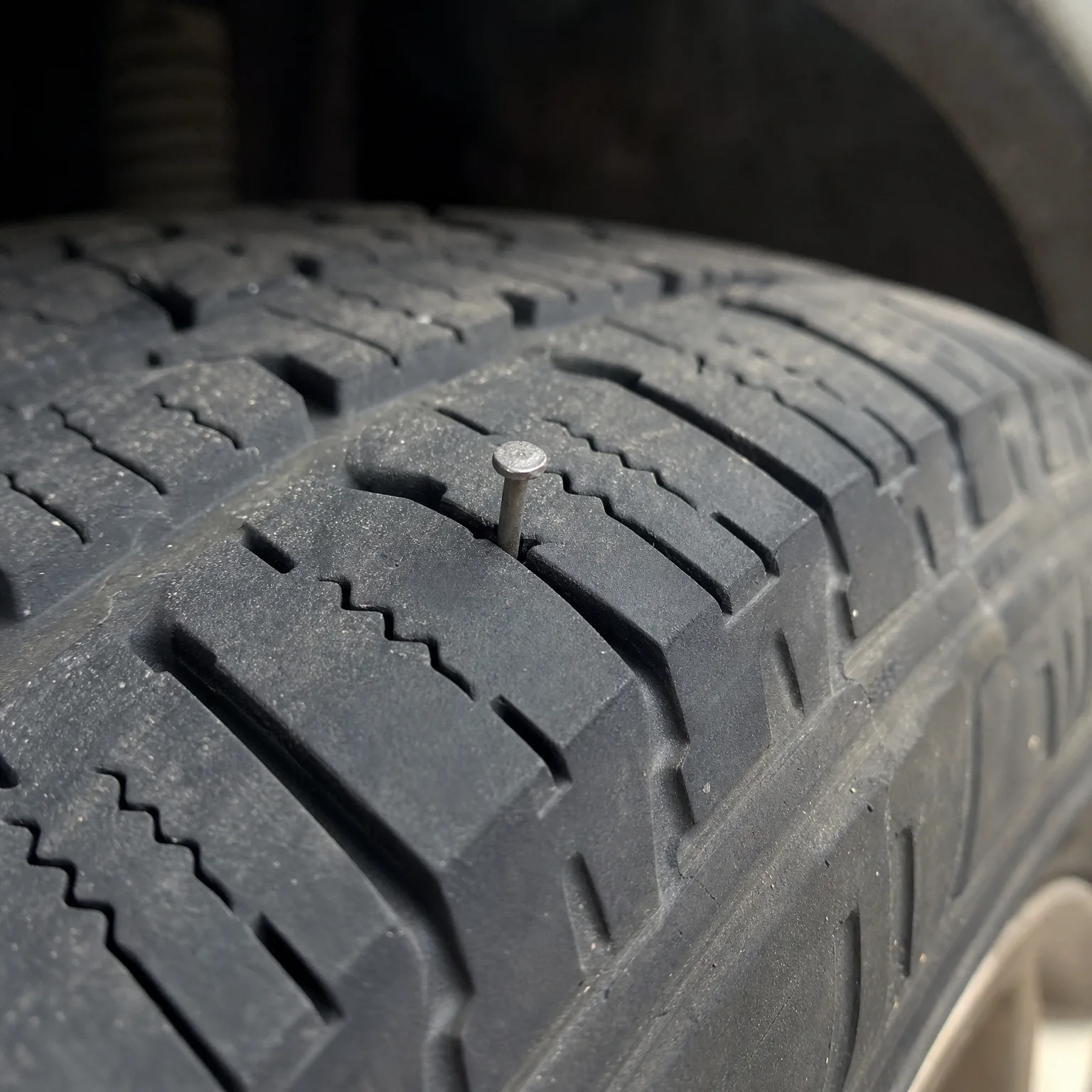
- The tires Tires can develop flat spots from sitting in one position too long. Driving the car redistributes the weight and keeps the tread from wearing unevenly in one spot.
- The fluids Oil, brake fluid, and transmission fluid need to circulate to coat seals and prevent them from drying out. A real drive does this far better than an idling engine.
- The insurance A car that isn't driven still needs a decision about coverage, since letting a policy lapse can cause problems later even if the car never left the driveway. Check what your state requires if a car is registered but unused.
- The brakes Rust can build up on rotors when a car sits, especially outside or in humid weather. Driving it even briefly tends to wear that surface rust off before it becomes a real problem.

Once you've settled how you'll keep the car running, compare quotes for coverage that fits how it's actually used.

Whether you keep driving it occasionally
If you do
The battery stays charged, the tires avoid flat spots, and fluids keep moving through seals that would otherwise dry out. You'll notice problems early, like a brake that feels off or a tire losing air, while they're still small and cheap to fix instead of becoming a surprise later.
If you don't
The battery will likely die and need a jump or replacement. Tires can develop flat spots that cause vibration even after the car moves again. Moisture sits inside the engine and exhaust system, rust can form on rotors, and seals can dry out and start leaking once the car is finally driven again.
Can I just start the car without driving it anywhere?
You can, but it does far less than actually driving it. Idling warms the engine only partially, so moisture doesn't fully clear and the transmission and brakes barely get used. If you truly can't drive it, even rolling it a short distance helps the tires more than idling alone. For real protection, a short drive around the block beats ten minutes of idling in the driveway every time.
Does a car lose value from sitting unused for months?
It can, mostly from mechanical issues rather than mileage. A car that sits develops flat spotted tires, a dead battery, and sometimes fuel system problems, all of which cost money to fix and can make a buyer hesitant. The car's history of sitting unused isn't usually recorded anywhere, but the condition problems it causes are very visible at resale. Regular short drives or proper storage prep prevent most of this.
What's the best way to store a car for several months?
The best approach combines a few steps together, not just occasional driving. That usually means a full tank with fuel stabilizer, disconnecting or maintaining the battery, slightly overinflating the tires, and keeping the car covered and out of extreme temperature swings. Exactly what's recommended can vary by climate and by the car itself, so check the owner's manual or ask a mechanic familiar with long term storage for that specific vehicle.
Starting the engine isn't what protects the car. Driving it is, and that difference should decide what you do.