How Old Should a Car Be Before You Drop Collision Insurance
Drop collision when your car's value gets low enough that a payout wouldn't cover much more than what you're paying for the coverage.
What actually decides this isn't the car's age
- Find the real cash value Look up what your car would sell for today, not what you paid or what you think it's worth. This number is the ceiling on any payout, no matter what happened to the car.
- Add up a year of premium Check what you pay yearly just for collision and comprehensive, separate from liability. This is the cost side of the comparison you're making.
- Weigh payout against cost If the car's value is only a few times your yearly premium, the coverage is doing little for you. If it's worth much more than that, keep it.
- Consider who drives it now A second car that sits unused still needs some coverage if it's titled and registered, but it may not need the same level as a car driven daily.
- Check loan and title status If a loan is still attached to the car, you likely can't drop collision until it's paid off. If the title is only in your late spouse's name, that has to be sorted first.

A second car sitting in the driveway
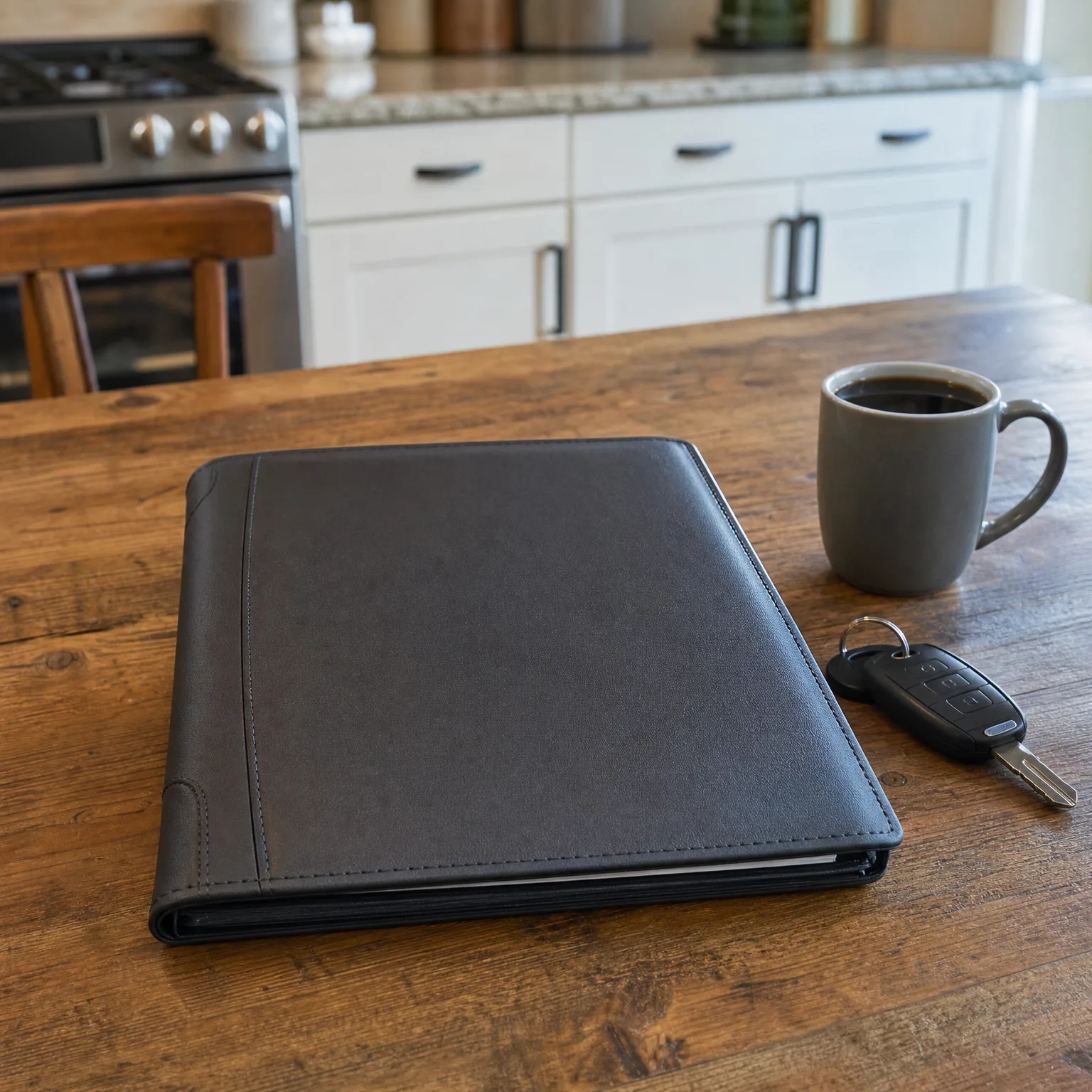
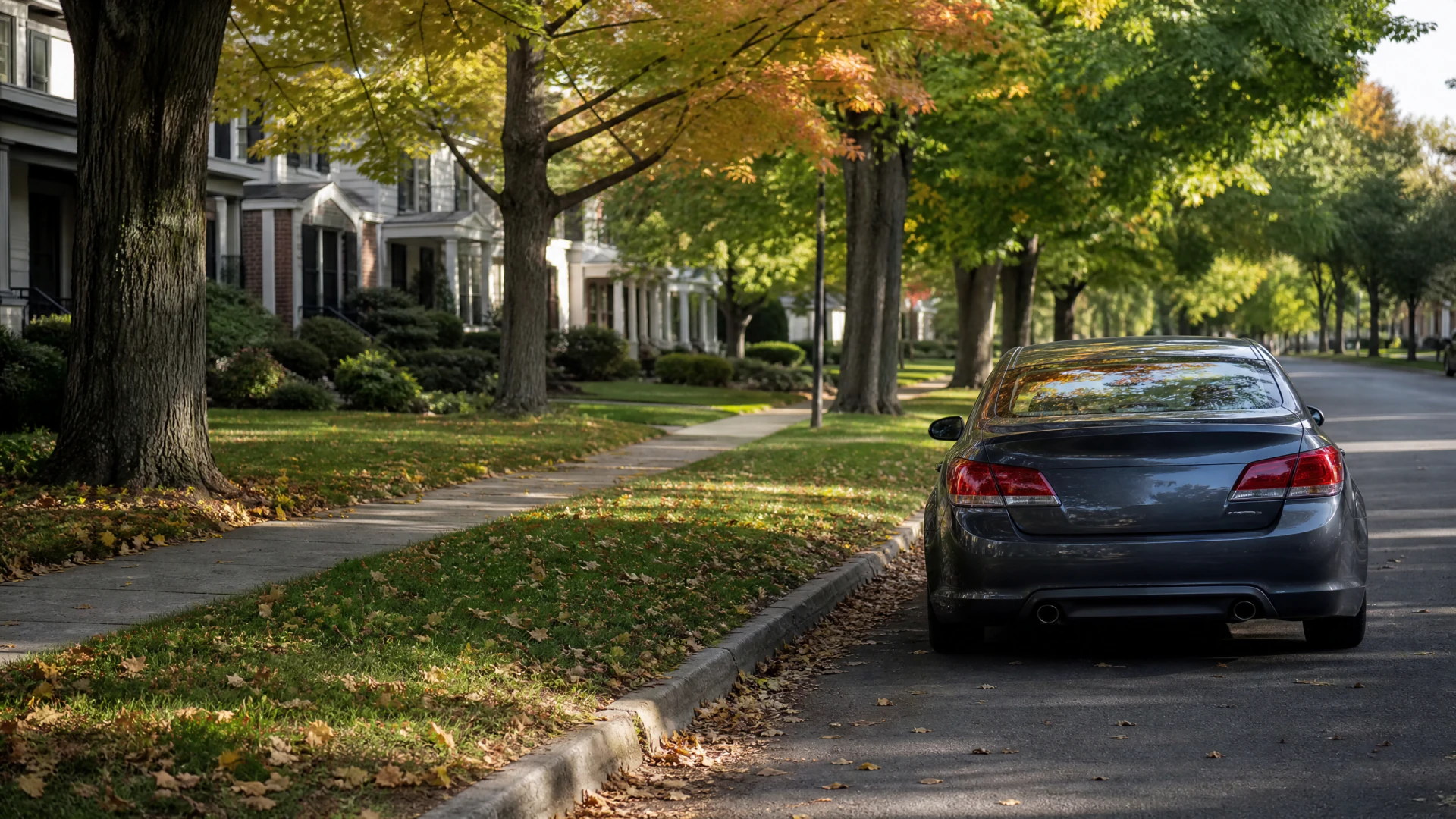
One reader kept her husband's car after he passed, an older sedan with higher mileage that nobody was driving regularly. She still had the policy renewal in his name and didn't know whether to keep paying full coverage on a car that mostly sat still. She looked up what the car would actually sell for and found it was worth less than two years of the collision and comprehensive premium combined.
She called her insurer, transferred the title into her name first, then asked about dropping collision and comprehensive on that car while keeping full coverage on the one she drove daily. The insurer confirmed there was no loan attached, so she was free to make that change. Her monthly bill dropped, she kept liability coverage in case the car was ever driven or caused damage sitting in the driveway, and she stopped paying to protect a value that barely existed anymore.
This isn't about your car's age. It's about whether a payout would still beat what you pay to insure it.
Once you know whether to keep or drop collision on each car, compare quotes to see what coverage actually costs you.
Why value, not age, is what matters here
Collision and comprehensive coverage exist to pay you the car's current value if it's totaled or damaged beyond repair. That payout is capped at what the car is actually worth right now, not what you paid for it and not what it would cost to replace. As a car ages, that value drops, often faster than people expect, while the premium for carrying the coverage doesn't drop at the same pace.
At some point the math flips. You're paying a steady amount every year for the chance of a payout that keeps shrinking. Two cars of the same age can be in very different positions here. A well kept car with low mileage might still carry real value, while a similar car with more wear might not. That's why age alone is a rough guide at best, and the real answer comes from looking at the actual numbers for your specific car.
This is also where your own finances matter, separate from the car's value. If losing the car entirely without a payout would be a real financial problem for you, that's a reason to keep the coverage even if the math is close. If you could absorb that loss without much trouble, dropping the coverage once the value is low makes more sense.
There are cases that complicate this. If you still owe money on the car, your lender typically requires you to carry collision and comprehensive until the loan is paid off, regardless of the car's value. And rules about what's required can vary by state and by insurer, so it's worth checking your policy and your state's requirements before you make any change.

Should I drop collision on a car nobody drives anymore?
Probably, once you've handled the title and loan situation and confirmed what the car is actually worth. A car that sits unused still faces some risk, like fire, theft, or being hit while parked, so dropping comprehensive too is a separate decision from dropping collision. Many people keep comprehensive while dropping collision on a rarely driven car, since comprehensive tends to cost less.
Before changing anything, make sure the title and registration are sorted out in your name if the car was in your spouse's name. Insurers may have questions about coverage on a car that isn't titled to the policyholder. Once that's resolved, the same value-versus-cost comparison applies. If you plan to sell the car soon, it may make more sense to just keep minimal coverage until the sale rather than changing the policy twice in a short period.