How to Drive Again After a Long Break
You can drive again as soon as your policy is active and the car is actually safe to drive, so check both before you go.
Coverage and a working car are two separate problems
Insurance and roadworthiness don't track each other. A policy can be fully active while the car itself isn't safe, because nothing about a policy checks tire pressure or battery health. So the first thing to settle is whether coverage lapsed, and the second, entirely separate thing, is whether the car itself is ready.
If the policy was left active the whole time, you're covered the moment you start the engine, but a car that's been parked for a long stretch often has a weak battery, flat-spotted tires, or fluids that need checking. Driving an unsafe car doesn't change your coverage, but it does raise the odds you'll need to use it.
If the policy was paused or cancelled, that's the part that actually requires action before you drive. Many insurers offer a pause option for cars that aren't being used, and reactivating it is usually straightforward, but a true lapse can mean reapplying or requoting, and rates can be affected by how long the gap was. This varies by insurer, so check what your policy specifically allows.
The one thing that doesn't change is this. Driving without active coverage is driving uninsured, no matter how good your reason was or how long you've had the policy in the past. So the practical order is always the same. Confirm the policy is active, then deal with the car.
What to check before you get back on the road
- Confirm the policy status Call or log in to check if the policy is active, paused, or lapsed. This determines whether you can drive today or need to reinstate coverage first.
- Check the lapse length A short pause is usually easy to restart, but a longer lapse may require a new quote. Ask your insurer directly how your specific gap is treated.
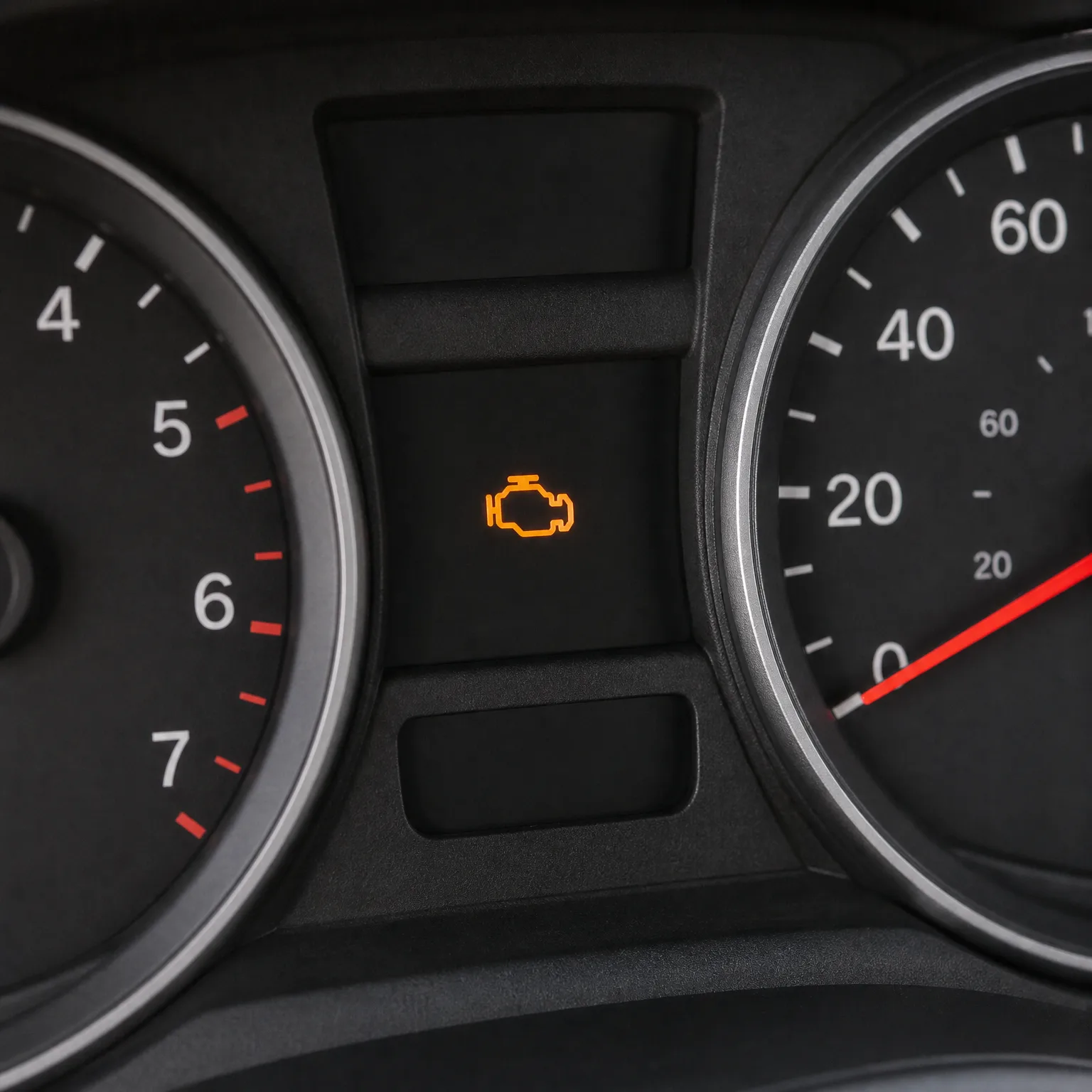
- Inspect the car itself Battery, tires, and fluids all suffer from sitting unused. Have the car checked before a longer drive, especially if it sat for months.
- Update your address or details If anything changed while the car sat unused, like where it's parked or who drives it, update the policy so a claim isn't denied over outdated info.
- Ask about restarting discounts Some insurers remove discounts tied to continuous coverage after a lapse. Ask what's changed so you're not surprised by the new rate.
Coverage status and car readiness are two separate checks, and skipping either one is the actual risk.
Once your coverage and car are both confirmed ready, compare quotes to avoid overpaying to get back on the road.

Should you confirm coverage before driving, or just go
If you do
You call your insurer, confirm the policy is active, and ask about the car sitting unused. If it lapsed, you reinstate it first. You drive knowing you're covered, and you catch any surprises, like a dropped discount, before they cost you on the road.
If you don't
You assume coverage carried over and drive anyway. If the policy actually lapsed, you're uninsured without realizing it, and any accident or ticket becomes far more serious. Even if it's fine, you won't know about rate or discount changes until a bill or a claim reveals them.
A car that sat untouched for a year
Someone stopped driving a second car after switching to working from home, and the car sat in the garage for about a year. When they decided to start using it again, they assumed the insurance was still fine since they never cancelled anything. Before driving it anywhere, they called their insurer to check, and found the policy had been automatically moved to a reduced, non-driving coverage after months of no activity reported.
They asked what it would take to reinstate full coverage, and the insurer explained the car needed a quick inspection first, since it had been sitting that long. They had a mechanic check the battery, tires, and brakes, replaced the battery, and then called back to reactivate full coverage. The whole process took about a week, and because they checked first, they avoided driving on a policy that wouldn't have covered an accident. The inspection also caught a brake issue they wouldn't have noticed on their own.