Driving Again After a Long Time
If the car and policy are roadworthy and the right person is listed as a driver, you can start again whenever you're ready.
The policy and the car both need a second look before you drive
A car insurance policy doesn't expire just because nobody drove the car for a while, but it also doesn't automatically cover whoever ends up behind the wheel. Insurers price a policy around who they expect to drive, how often, and for what. If that person was your spouse and you're now the one starting the car, the policy needs to reflect that, even if the coverage itself never lapsed.
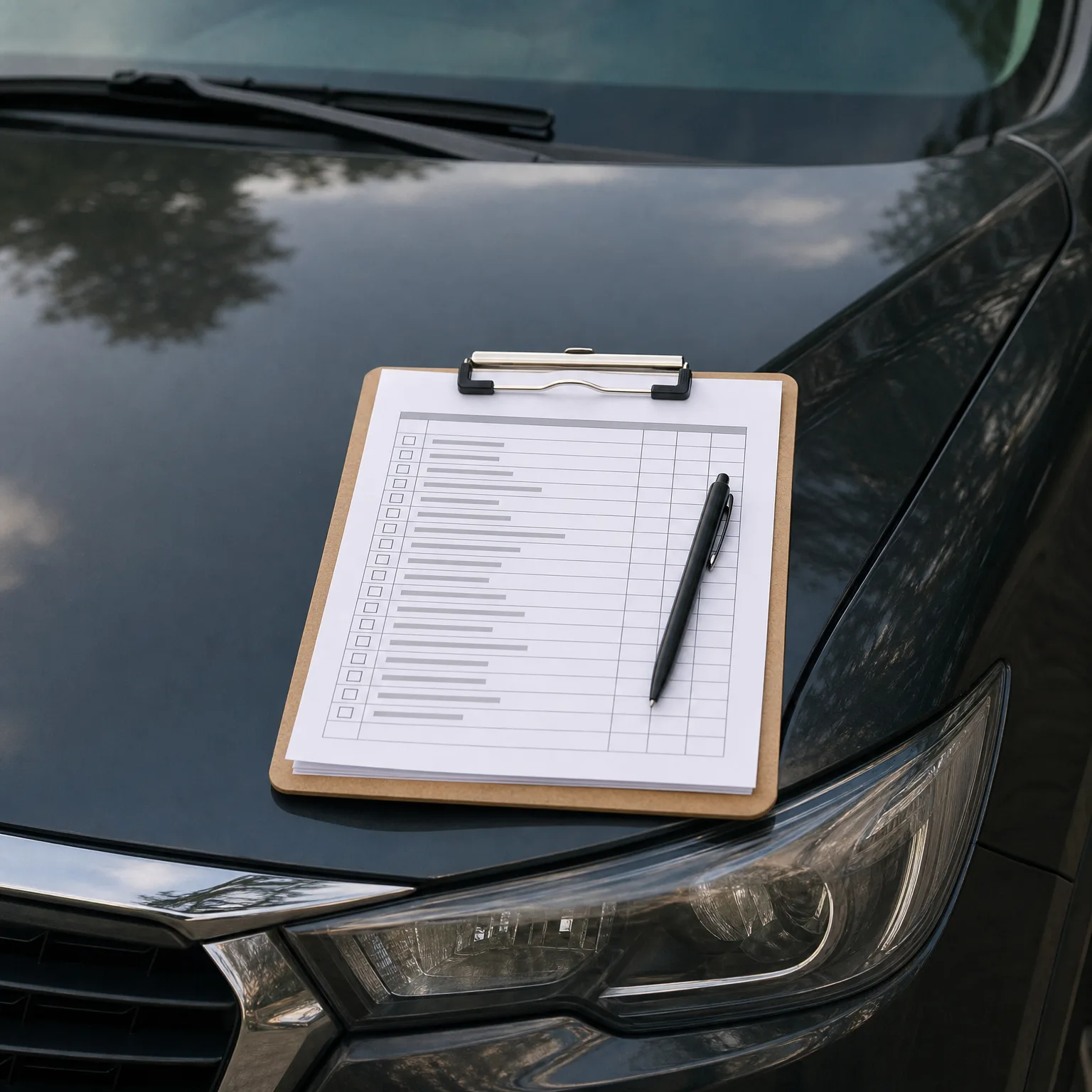
The car matters as much as the paperwork. A vehicle that's sat for months can have a dead battery, flat spots on the tires, or fluids that have broken down, none of which insurance touches. None of that shows up on a policy document, so a quick mechanical check before any real driving protects you more than any phone call to the insurer does.
What varies is how insurers treat a change like this. Some require you to formally add yourself as the primary driver, others simply ask you to update the policy to reflect current use. Some states have rules about how ownership and title changes interact with coverage, especially if the car was titled only in your spouse's name. Check with the insurer and, separately, with your state's motor vehicle agency about what the title needs before you drive regularly.
If you plan to drive only occasionally, say to keep the car running or for errands, that's still driving that needs to be accounted for on the policy. Occasional use isn't the same as no use, and insurers draw a real line between a car that's parked and one that's used sometimes.
Do I need to change the title before I can drive the car?
Not always, but you should find out before you make driving the car a regular habit. In many places you can legally drive a car that isn't titled in your name, especially briefly or in an emergency, but using it regularly without updating the title can cause problems later, particularly with insurance claims or registration renewal.
The cleaner path is to handle the title update as part of settling your spouse's estate, which you likely need to do anyway for other reasons. Once that's done, the insurance side becomes simpler too, because the policy and the title agree about who owns and drives the car. Ask your state's motor vehicle agency what documents they need, since this is one of the places rules differ by state.
The car being paid for and parked in your driveway doesn't mean it's ready, or covered, for you to drive.
Once you know what the policy covers and what the car needs, compare quotes to see what it costs you now.

What to settle before you start driving regularly
- Who's listed as a driver If the policy lists your spouse as the main driver, that needs to change before you drive regularly. Call the insurer and ask to update the primary driver on the policy.
- Whether the title needs updating Driving a car titled in someone else's name can complicate claims and registration later. Check with your state's motor vehicle agency about what's required to transfer or update the title.
- The car's mechanical condition A car that's sat unused for a while may need a battery, tires, or fluids checked before real driving. Have a mechanic look it over, since insurance won't cover problems caused by sitting idle.
- Whether you still need both cars If there are two cars and only one driver now, keeping both insured costs more than you may need to spend. Decide whether to keep, sell, or store the second car before renewing either policy.
- What coverage actually fits now A policy built around two drivers and two cars may not fit one driver anymore. Ask the insurer to walk through what coverage makes sense for how you'll actually use the car.
Starting up a car that hasn't moved in months
A woman in her early sixties lost her husband in the spring. His sedan sat in the garage through summer while she handled his estate, paid little attention to the car, and assumed the insurance was simply still active in the background. By early fall she wanted to start driving it again, mostly for errands and visits to family, but she hadn't driven it once since he passed.
She called the insurer first and learned the policy still listed him as the primary driver, so she asked to have that changed to her name and confirmed her coverage going forward. Separately, she had a mechanic check the car, since it had sat long enough that the battery needed replacing and the tires needed air and a look for cracking. She also contacted her state's motor vehicle office about updating the title, which was still in her husband's name alone. Once the title, the policy, and the car itself were all sorted, she drove it for the first time in months without worrying whether something would go wrong on the road or with a claim if it did.