Driving After a Year of Not Driving
You can start driving it again, but call your insurer first so the policy actually covers you when you do.

The car in the garage
A woman's husband passed away last spring, and his car sat in the garage untouched since then. She kept paying the bill because she wasn't sure what else to do, and the policy was still in his name along with hers. After about a year, her daughter suggested she start driving it instead of keeping two cars running, since her own car needed repairs.
She called the insurer before she did anything. They walked her through moving the title and the policy fully into her name, confirmed the coverage was still active, and asked a few questions about how often the car had been driven and where it was kept. Nothing about her rate changed much, but now the policy actually matched reality. She started driving it that weekend, and if something had happened before that call, she isn't sure the claim would have gone smoothly.
Will my rate go up because the car sat unused for so long?
Probably not much, and in some cases it won't change at all. Insurers care more about who's driving, how the car is used now, and whether the coverage on file matches that than about the gap itself.
A long period of no driving isn't a red flag by itself. What matters going forward is accurate information. Tell them the car was parked, who will drive it now, and roughly how it will be used. If anything moves, it's usually small, and it's worth it to have coverage that holds up if you ever need to use it.

Call your insurer before you start driving it again
If you do
They update the policy to match reality, confirm you're listed as a driver, and check that coverage is active. You find out about any gaps while they're still easy to fix. You start driving with a policy that actually protects you, and no surprises if something happens.
If you don't
The car may still show as rarely driven or tied to your spouse's name. If you're in an accident, the insurer may ask questions that slow down or complicate a claim. You could be covered, but you won't know for sure until you need it, which is the worst time to find out.
Once the policy reflects who's actually driving, compare quotes to make sure you're not paying more than you need to.
What to sort out before you drive it regularly
- Update the title If the car was only in your spouse's name, the title usually needs to move into yours. Most insurers will ask for this before fully updating the policy.
- Add yourself as the driver If you weren't already listed on the policy, make sure you are now. This matters more than almost anything else if you're ever in an accident.
- Mention the time it sat parked Tell the insurer the car wasn't driven for a while. It's not a problem to report, but it helps them set the policy correctly going forward.
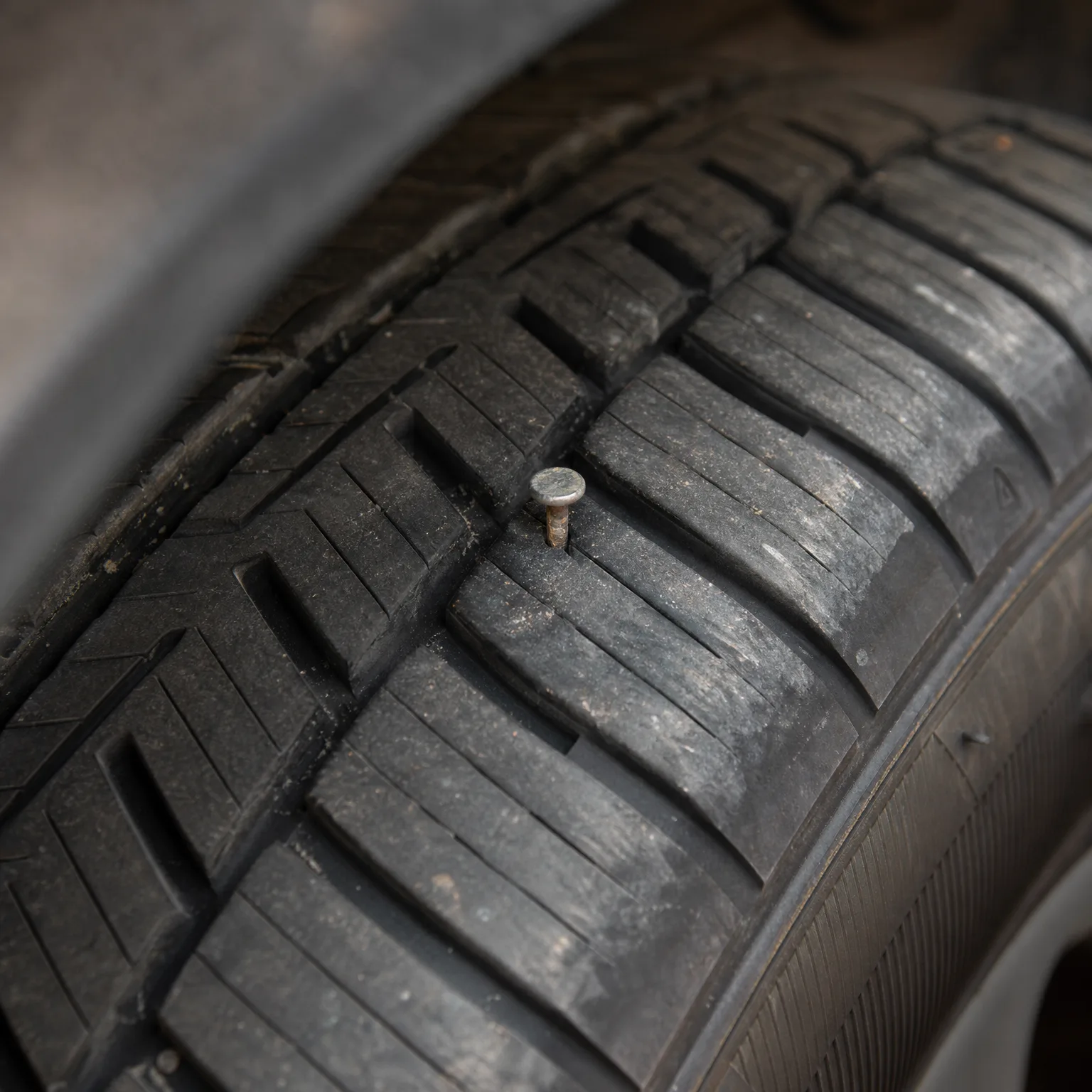
- Have it checked mechanically A car parked for a year may need new tires, fluids, or a battery. This isn't an insurance issue, but it protects you before you're back on the road regularly.
- Decide if you need both cars If you now have two insured cars and only drive one, think about whether keeping both makes sense. You can address this now or after you're settled into driving again.

Do I need a new policy or can I keep the old one?
You can usually keep the existing policy and update it, rather than starting over. Insurers can typically add you as the primary driver, update the title information, and adjust coverage details on the same policy. A new policy is only needed if you want to shop around or switch insurers entirely. Check with your current insurer first since it's often the simplest path, then compare quotes separately if you're curious whether you'd do better elsewhere.
What happens to the no-claims history or discounts on the old policy?
This depends on the insurer, so ask directly. Some let the driving history carry over if you were a listed driver on the same policy, even if your spouse was primary. Others base discounts mainly on the primary policyholder's record, which could mean starting fresh. If you were never listed as a driver, ask what documentation helps, like proof of a clean record from a prior policy of your own, since that can sometimes be used even on a new one.
Should I remove my spouse's name from the policy now?
Yes, once you're ready, since the policy should reflect who actually owns and drives the car. Insurers generally need proof like a death certificate to update ownership and remove a name. There's no strict deadline, but doing it before you start driving regularly avoids confusion if you ever file a claim. If paperwork feels like too much right now, call the insurer anyway. They can tell you what's needed and let you handle it at your own pace.