How to Gift a Car to Someone in Another State
You title and register the car in the recipient's state, then insure it there before they drive it.
The car follows the laws of where it will live, not where it began
A vehicle is governed by the state where it's titled and registered, not the state it was bought or gifted in. When you give a car to someone across state lines, the recipient's state sets the rules for the new title, the registration, and often a gift tax exemption that has to be claimed with specific paperwork. Your state's part mostly ends once you sign the title over and notify your insurer and DMV that you no longer own the car.
Insurance has to match the new registration. A car can't stay insured under your policy once it's titled to someone else and living in another state, because your policy is written for your risk, your address, and the vehicles you actually own. The recipient needs their own policy, active in their state, before the car is driven there, even if it's just across town after the handoff.
Most states offer a gift exemption so the recipient doesn't pay sales tax on a vehicle they didn't buy. But the rules for proving it's a true gift, like an affidavit, a notarized statement, or a specific DMV form, differ by state, and some states tax gifted cars from out of state differently than in-state gifts. This is the part you can't guess at. The recipient's local DMV will tell you exactly what they require.
Where this gets complicated is the lienholder. If you're still financing the car, you don't own it outright, and a lender usually won't let you gift it until it's paid off or they approve the transfer. Check your loan status first, because that can change the whole timeline.
Who pays for the new insurance policy, you or the recipient?
The recipient pays, because the policy has to be in their name, at their address, reflecting their driving record. Insurance isn't transferable the way a title is. Even if you want to help financially, the policy itself has to belong to the person who now owns and drives the car.
You can still help in practical ways. You can shop quotes together, explain what coverage the lender or state requires, or cover the first payment as part of the gift. But the application, the driver history, and the policy itself need to be theirs. If your name stays on it, you stay financially exposed if something happens.

The moment you sign the title over, the car is legally the recipient's problem to insure, not yours.
Once the recipient knows their state's requirements, they can compare quotes and insure the car before driving it.

Do you title the car in the recipient's state before they drive it
If you do
The recipient registers the car locally, gets a policy active in their name, and drives legally from day one. The paper trail is clean if there's ever an accident, a claim, or a question about who owned the car when. No gaps, no confusion for police or insurers.
If you don't
The recipient drives on your old registration and insurance, which likely doesn't cover them correctly, especially across state lines. An accident could mean a denied claim, an uninsured driving charge, or a fight with your insurer over whether the policy even applies anymore.
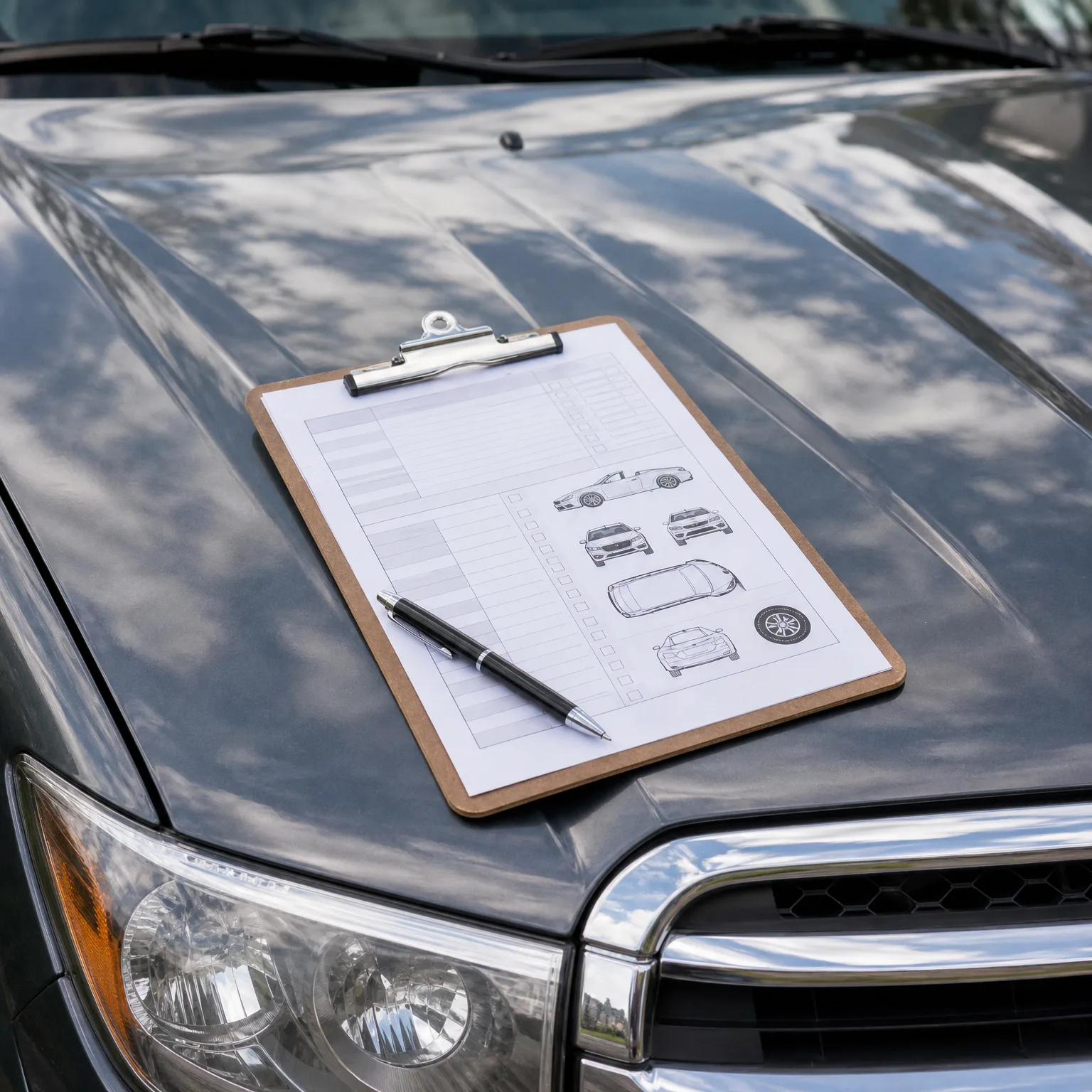
What actually has to happen for the gift to go through cleanly
- Sign the title over You sign the title as the seller and write 'gift' where the form asks for sale price. This officially ends your ownership and liability for the car.
- Check for a lien If you're still financing the car, contact your lender before doing anything else. Most won't allow a transfer until the loan is satisfied or they approve it.
- Get the gift affidavit The recipient's state likely requires a specific form proving it's a gift, not a sale, to skip sales tax. They should ask their local DMV exactly what's needed.
- Insure before driving The recipient needs an active policy in their name, in their state, before the car is driven anywhere. Driving it uninsured, even briefly, risks a ticket or an uncovered accident.
- Cancel your old policy Once the title is transferred, remove the car from your policy so you're not paying for or liable for a vehicle you no longer own.