How to Start a Car That Has Been Sitting for Months
Check the battery, tires and fluids before you turn the key, because a car that sat for months needs a careful look, not just a quick start.

Work through these checks before you try the ignition
- Look under the car A puddle under the car can mean a leak that got worse while it sat. Walk around and check the ground before you do anything else.
- Check the tires first Tires lose air over months and can develop flat spots from sitting in one place. Look for cracking, low pressure or an uneven shape before you move the car at all.
- Inspect the battery A battery that sat unused for months is often dead or damaged. Look for corrosion on the terminals and consider a jump start or replacement rather than forcing it.
- Check the fluids Oil and other fluids can break down or settle during long storage. Pull the dipstick and look at the oil before you start the engine.
- Don't force the engine If the engine won't turn over or sounds wrong, stop and don't keep trying. Repeated attempts can cause damage that a slow, careful approach would have avoided.
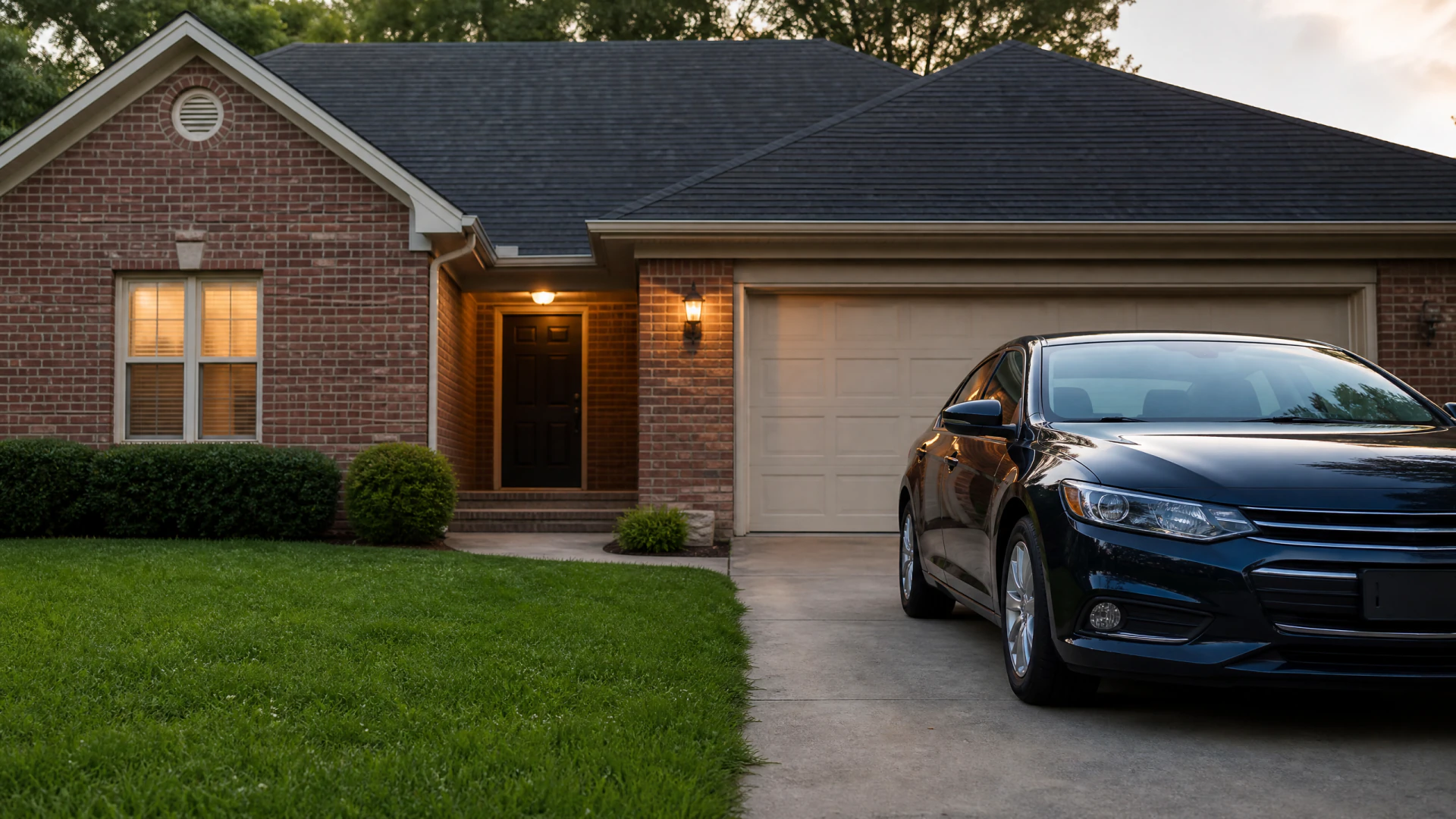
A car left in the garage after a hospital stay
One reader's spouse had been in and out of the hospital for several months, and their second car sat untouched in the garage the whole time. When she finally went out to start it, the key turned but nothing happened, not even a click. She didn't try again right away. Instead she opened the hood and found the battery terminals covered in light corrosion, and the tires looked a little flatter than she remembered.
She called a neighbor who had jumper cables, and together they cleaned the terminals with a cloth before attempting a jump. The car started, but ran rough for a few minutes before smoothing out. She drove it around the block slowly rather than straight onto the highway, and checked the brakes worked normally before going any further. A few days later she had the oil changed and the tires checked, since both had sat under stress for months longer than usual. The car turned out fine, but she was glad she checked quietly before deciding whether to keep it or sell it.

Deciding whether to inspect before you start the car
If you do
You catch problems like a dead battery, flat-spotted tires or a fluid leak before they turn into bigger repairs. The inspection takes a few extra minutes but protects both the car and you, especially if you plan to drive it any distance once it starts.
If you don't
You risk turning the key on a car with a damaged battery or low tire, which can leave you stranded or cause further damage. Skipping the check might work out fine, but if something was already wrong, you won't know until it fails on the road.
Once you've decided whether this car is worth starting and keeping, compare quotes to see what it costs to insure.
Why a car needs care after sitting unused
A car is built to be used regularly, and most of its parts rely on movement to stay in working condition. A battery slowly drains even when the car is off, and without regular charging from driving, it can lose enough power to die completely. The longer the car sits, the more likely this becomes, though how quickly it happens depends on the battery's age and condition before it was parked.
Tires and fluids follow a similar pattern. Tires can develop flat spots where the weight of the car rests on one section for too long, and fluids can settle or break down slightly when they're not circulating. None of this means the car is ruined, but it does mean you shouldn't assume everything is exactly as it was the day it was parked.
This is also why starting the car carefully matters more than starting it quickly. If you force an engine to turn over repeatedly without success, you risk damaging the starter or draining whatever charge is left in the battery. A slower approach, checking fluids and tires first, then attempting a jump if needed, protects the car and gives you a clearer picture of what condition it's actually in.
What varies is how a long period of inactivity affects your insurance coverage, since some insurers have specific rules about vehicles that haven't been driven for extended stretches. Check with your insurer about whether the coverage stayed active the whole time and whether anything needs to be reported now that the car is running again.

Is it bad to let a car sit without driving it for months?
Yes, extended inactivity can affect the battery, tires and fluids, though it won't necessarily cause permanent damage. The battery is usually the first thing to suffer since it drains slowly even when the car is off. Tires can flat-spot and fluids can settle. Whether it causes lasting problems depends on how long it sat and the car's condition beforehand. If it sat more than a few months, a careful check before driving is worth the time.
Do I need to tell my insurer the car wasn't driven for months?
It depends on your insurer and the type of coverage you had during that time. Some policies have specific terms about vehicles left unused for long stretches, especially if you reduced coverage while it sat. Check your policy or call your insurer directly to confirm nothing changed without your knowledge. This matters most if you're about to start driving the car regularly again.
Should I get the car inspected before driving it regularly again?
Yes, especially if it sat for several months, since a mechanic can catch issues you might miss on your own. Brakes, belts and fluids can all be affected by long periods without use. This matters more if you plan to drive the car daily or take it on longer trips soon. A quick inspection costs little compared to what a missed problem could cost later.