If I Crash Someone Elses Car Will My Insurance Go Up
If you were at fault, your own insurance can go up even though you were driving someone else's car.
Why your own rates move even though it wasn't your car
When you drive someone else's car with their permission, the owner's insurance is usually the first to respond if you cause a crash. That's because car insurance in most states follows the vehicle, not the driver. But your own policy sits right behind it, and insurers ask about accidents regardless of whose car you were in at the time.
Your insurer finds out through claims history databases that most companies report to and check, no matter who paid for the damage. If you were at fault, that accident gets logged under your name as the driver, and it follows you when your policy renews or when you shop for a new one.
How much your rate moves depends on your insurer's rules, your history before the crash and sometimes your state's regulations on how long an accident can affect pricing. Some insurers forgive a first accident and leave your rate untouched. Others raise it the same way they would if you'd crashed your own car.
There are cases where it plays out differently. If the owner's insurer pays the whole claim and your own policy is never billed, some insurers still count the at-fault accident against you, while others only react to claims paid from your own policy. Check how your specific insurer treats at-fault accidents where no claim was filed on your policy, because that answer varies.
Will the car owner's insurance rate go up instead of mine?
Usually yes, at least at first. The owner's policy is typically the one that pays for the damage, so their claims history takes the hit and their renewal pricing can reflect it, even though they weren't driving.
That doesn't mean you're off the hook. Your own insurer can still learn about the accident and factor it into your rates separately, since you were the driver at fault. Both of you can end up affected by the same accident, just through different policies and on different timelines. If this worries you, ask the owner's insurer directly how they handle accidents caused by a permitted driver, since that answer can vary by company.

Telling your insurer about the accident versus staying quiet
If you do
You report the accident and your insurer records it under your driving history. If it affects your rate, you'll see it clearly at your next renewal with an explanation. You keep your coverage intact and avoid any issue with claims being denied later for non-disclosure.
If you don't
You hope the accident never surfaces, but most insurers share claims data industry-wide. If it turns up later, especially when you switch insurers or renew, you could face a bigger rate increase or even a canceled policy for withholding information you were asked about directly.
Once you know how this accident affects your record, compare quotes to see what your rate actually looks like now.

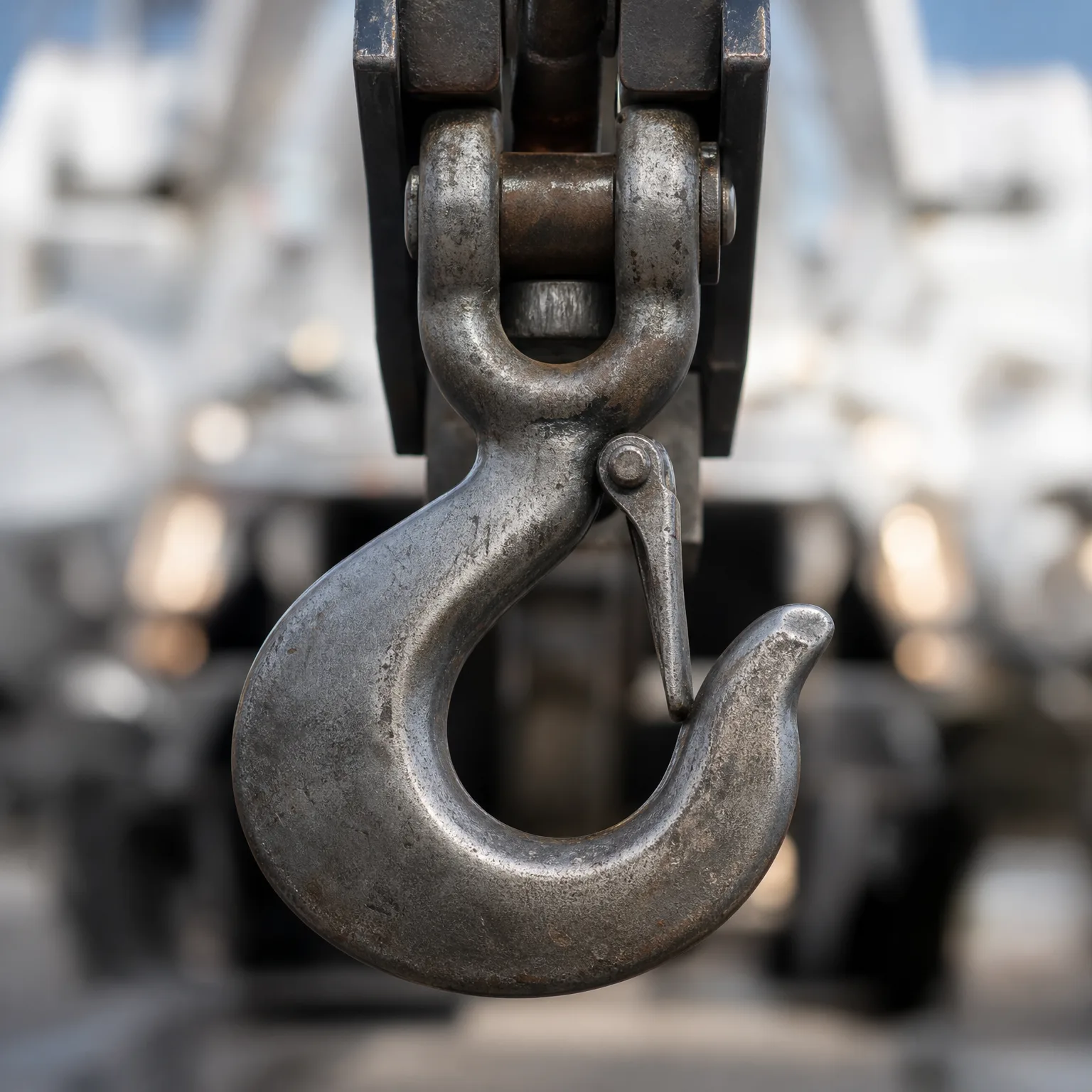
Borrowing a friend's car for a weekend and causing a fender bender
You borrowed your friend's car to move some furniture and backed into a parked car in a lot. Nobody was hurt, but both vehicles had damage. Your friend filed the claim through their own insurance since it was their car, and their insurer paid for the repairs on both vehicles.
A few months later your friend's premium went up at renewal, and so did yours, even though you weren't the one who paid for anything out of pocket. Your insurer had access to the same claims history database and saw you were the at-fault driver. Your friend asked you to help cover the cost of their increase since the accident happened while you were driving, and you worked out an arrangement together since there was no formal requirement either way.
The accident follows the driver, not just the car, so assuming it's only the owner's problem can cost you.