If Someone Else Wrecks My Car Will Insurance Cover It
If someone else wrecks your car, their liability insurance pays first, and your own policy fills the gaps if it doesn't.
What to check before you call anyone
- Get their insurance info Write down the other driver's name, insurer and policy number at the scene if you can. Without it, your claim moves slower and you have less to point to if they dispute what happened.
- Know whose fault it was Fault decides whose insurance pays first, and it isn't always obvious right away. A police report or witness statements help establish it, so gather what you can before memories fade.
- Check your own coverage too If the other driver has no insurance or not enough, your own collision or uninsured motorist coverage may need to step in. Look at your policy now so you're not reading it for the first time after a wreck.
- Decide on a rental car If you need a car while yours is repaired, check whether your policy or theirs covers a rental. This can shape how fast you agree to a repair timeline.
- Watch your own rate impact A claim that isn't your fault usually shouldn't raise your rate, but ask your insurer directly how they handle it. Rules on this differ, so don't assume.
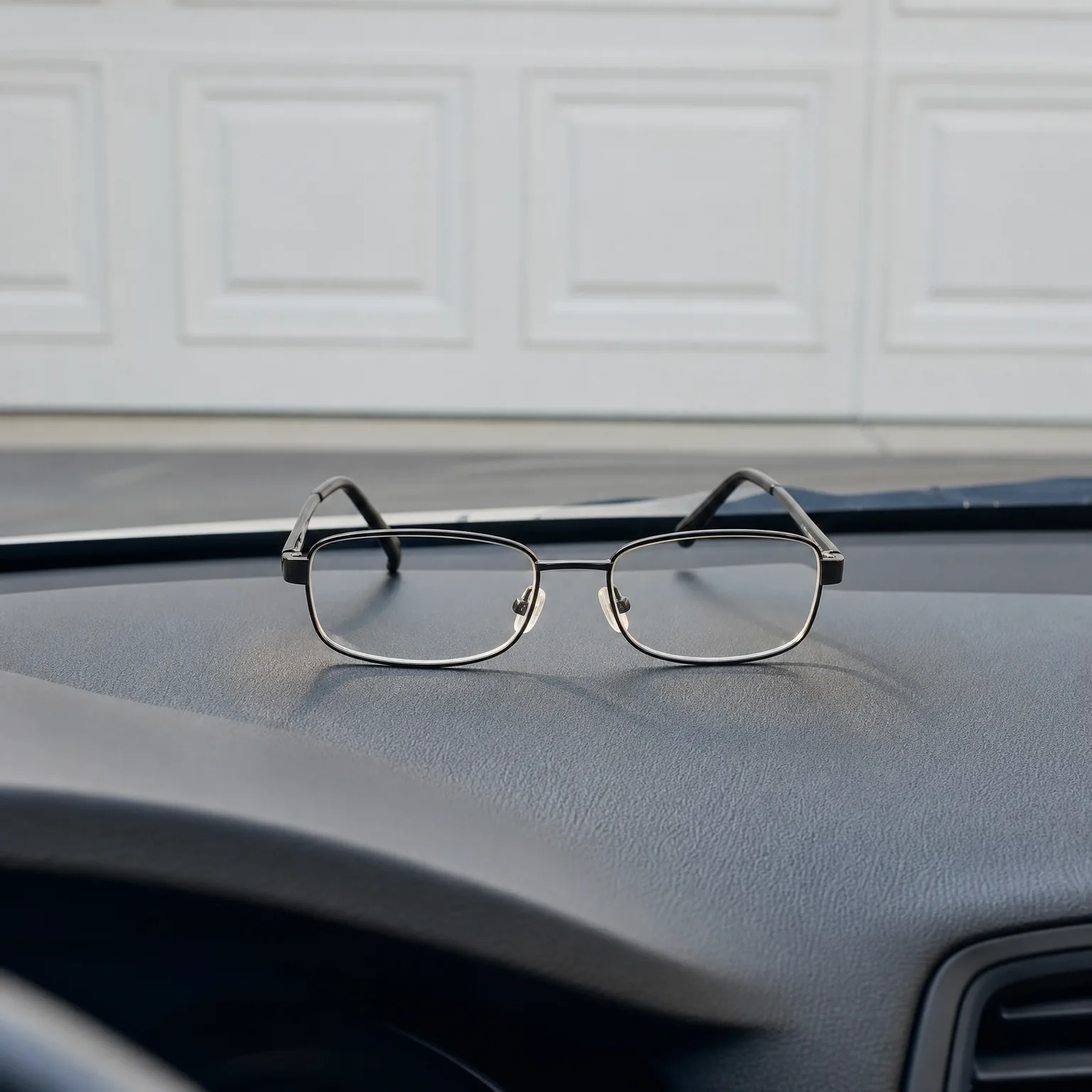
A rear-end collision at a stoplight
You're stopped at a light and the car behind you doesn't stop in time. You exchange information, take photos of both cars and the road, and call your insurer the same day even though it clearly wasn't your fault. Your insurer confirms the other driver's insurance accepted responsibility and opens a claim against their policy.
The other driver's insurer pays for your repairs and a rental car while the work is done. It takes a few weeks because their insurer has to inspect the damage, but you don't pay anything out of pocket beyond what you'd already decided to cover yourself, like minor incidentals. Your own policy is barely involved except to confirm coverage details. Because you had the other driver's information from the start, the whole process moves without the delays that come from chasing down who was responsible.
The other driver's insurance is supposed to pay, but your own coverage is what protects you if theirs doesn't.
Now that you know how a claim like this plays out, compare quotes to make sure your own coverage holds up.
What if the other driver has no insurance at all?
This is where your own policy matters most. If the other driver has no insurance, or not enough to cover the damage, your uninsured or underinsured motorist coverage is what pays instead. Without it, you could be left covering repairs yourself even though the accident wasn't your fault.
Not every policy includes this coverage automatically, and how much it covers varies. If you don't know whether you have it, this is worth checking before anything happens, not after. It's one of the few parts of your policy that exists specifically for a situation you can't control.
Do I have to use my own insurance if it wasn't my fault?
No, not usually. If fault is clear, the claim typically goes through the other driver's insurance first. You might still involve your own insurer to speed things along or to cover a gap, but you're not required to file against your own policy when someone else caused the damage.
How long does a claim against someone else's insurance take?
It depends on how quickly fault is confirmed and how backed up the other insurer is. Clear-cut cases with good documentation move faster. Disputed fault, limited information, or a slow insurer can stretch things out, so ask for a timeline early and follow up if it stalls.
Can the other driver's insurer deny my claim?
Yes, if they dispute fault or your documentation is thin. This is why photos, witness contact info and a police report matter. If they deny it, your own insurer can often step in while the dispute gets sorted out, especially if you have the right coverage in place.