Is 50/100/50 Enough Auto Insurance
For most drivers it's enough, but with an estate or assets to protect, going higher is often worth the small cost.
One Widow, Two Cars, One Decision
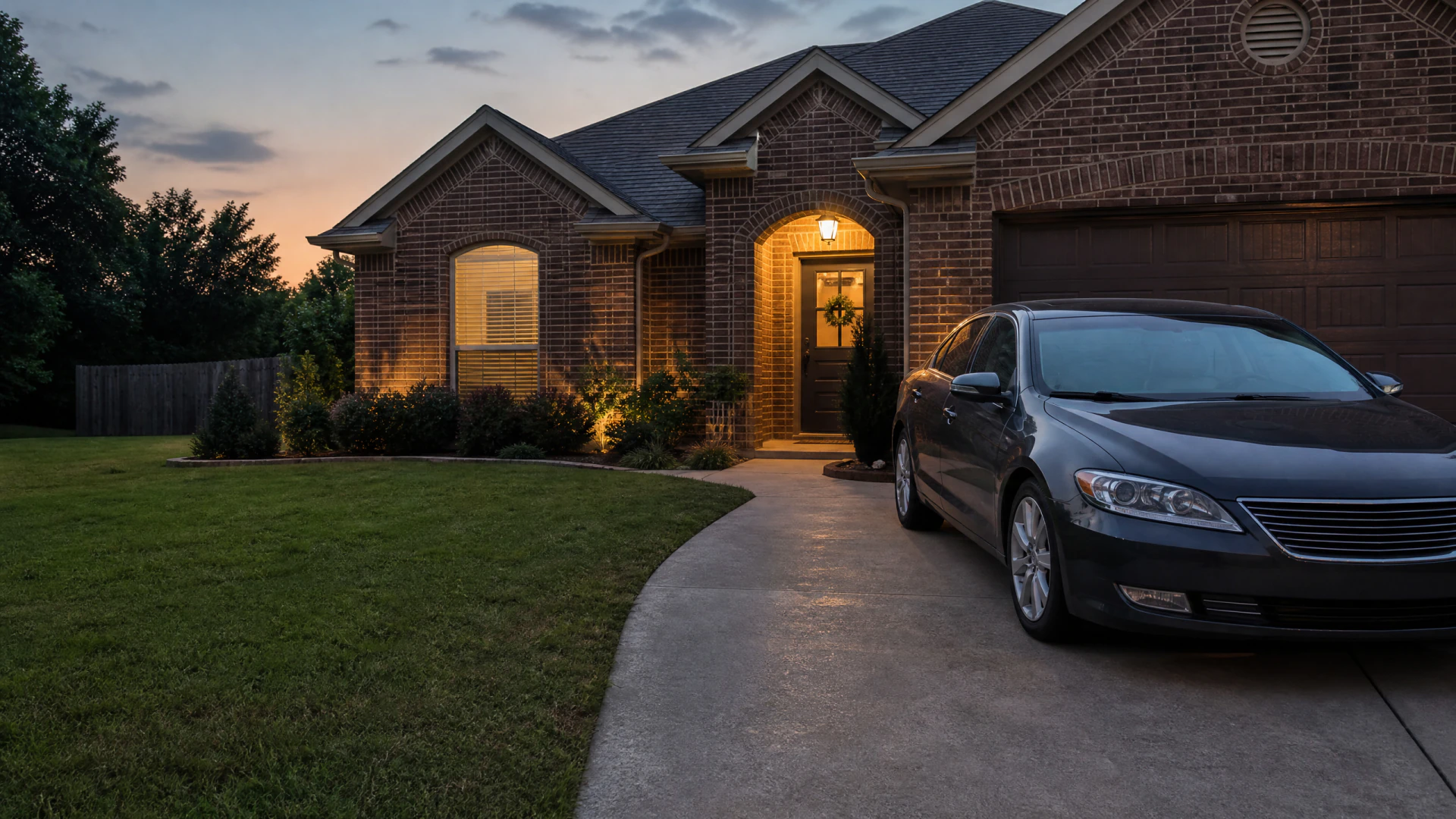
After her husband died, Carol found the policy still listed both cars and both names. One car, his, sat in the garage unused. She called the insurer, confirmed the 50/100/50 limits had been on the policy for years, and learned the house and a small retirement account were in her name alone.
She decided to remove her husband from the policy, keep her own car insured at the same limits, and cancel coverage on his car until she decided whether to sell it. She also raised her liability slightly, since she now had assets to protect by herself instead of jointly. The change took one phone call and a short wait for new paperwork. She didn't need to overhaul anything, just update who was covered and make sure the limits still matched her situation alone.
Should I Raise My Limits Now That I'm Covering Myself Alone?
Possibly, and it depends on what you own rather than how much you drive. Liability limits exist to protect what you have if you cause an accident that injures someone or damages property. When you were married, your assets may have been protected jointly or split between two names. Now that you're the only name on the policy, everything you own, savings, home equity, retirement accounts, is exposed by itself.
If your assets are modest, 50/100/50 may still be plenty. If you have meaningful savings, own your home outright, or inherited assets from your spouse, raising your liability limits is usually inexpensive and worth asking about. Call your insurer and ask what the next tier of coverage costs. It's often a small increase for real added protection.

Now that you know whether 50/100/50 fits your situation, compare quotes to see what the right limits actually cost.
What To Check Before You Decide
- What the numbers mean 50/100/50 covers injury per person, injury per accident, and property damage, in that order. Confirm your state doesn't require higher minimums than this.
- Your assets, not your spouse's Liability should match what you personally own now. If you inherited property or savings, your exposure may be larger than it was before.
- The unused car's coverage A car nobody drives doesn't need full coverage, but it may still need some to stay insured or protected while parked. Ask about reducing it instead of cancelling.
- Whose name is on everything Titles, registrations, and the policy itself may still list your spouse. Update these one at a time so nothing lapses by accident.
- Discounts if you keep both cars If you're keeping both cars for now, ask whether removing one driver changes your discount. It sometimes raises the cost of the remaining coverage.
Why These Numbers Exist And When They Don't Fit
Liability limits are set to cover the cost of injuries or damage you cause to someone else, not damage to your own car. The three numbers in 50/100/50 split that protection into per-person injury, per-accident injury, and property damage. States set minimum limits, and many drivers carry limits well above the minimum because the cost of a serious accident can exceed it easily.
Whether 50/100/50 is enough depends on what you stand to lose if you're sued for more than your policy pays. If someone wins a judgment against you beyond your limits, your personal assets, savings, home equity, future income, can be at risk. This is why the right limit is personal. Someone with little savings has less to protect. Someone with a paid-off house or a retirement account has more.
Widowhood often changes this calculation without the person realizing it right away. Assets that were shared or jointly titled may now sit under one name. An estate settlement can also bring in funds, like life insurance proceeds, that increase what you have to lose. None of this means your current limits are wrong, but it's worth checking the math again now that the household has changed.
There are also cases where staying at 50/100/50 makes complete sense. If you have minimal savings, no property beyond a modest car, and no other major assets, higher limits may cost more than the protection is worth to you. The point isn't to assume you need more. It's to make sure the decision reflects your situation now, not the one you had before.
Do I need to keep comprehensive coverage on a car no one drives?
Not necessarily, but you usually shouldn't drop insurance entirely if the car is still titled and stored somewhere accessible. Comprehensive protects against theft, weather, and other non-driving risks, which can still happen to a parked car. Ask your insurer about a reduced-use or storage policy instead of full cancellation. If you plan to sell the car soon, a short gap before the sale is usually fine, but check your state's rules on maintaining continuous coverage first.
How do I remove my spouse from the car insurance policy?
You call your insurer and ask them to update the policy to reflect the death, which they handle as a standard change. They'll likely ask for a death certificate and will reissue the policy in your name only. This usually doesn't cause a lapse in coverage. Rates can shift slightly, up or down, since removing a driver changes the risk profile the insurer calculates. Ask directly whether your premium will change and why.
Will my car insurance rate go up now that I'm the only driver?
It can go either way, and it depends on the insurer's rules rather than a fixed outcome. Some discounts are based on having multiple drivers or cars on one policy, so removing one can reduce those discounts. On the other hand, removing a driver with a less favorable record can lower your rate. Ask your insurer directly for a side-by-side comparison before and after the change so there are no surprises.