Is 50/100/50 Good Car Insurance Coverage
50/100/50 is solid, workable coverage, though whether it's enough for you depends on what you own and what a bad accident could cost you.

A policy inherited mid-term
A woman found her husband's policy had 50/100/50 liability coverage, and she had no idea what that meant or whether to change it. She had been added as a listed driver years ago but never touched the account. Now the renewal notice had her name on it and a decision to make.
She called the insurer, asked what the numbers meant, and learned they described how much the policy would pay if she caused an accident, per person hurt, per accident overall, and for damage to someone else's property. She thought about what she owned, a house with some equity and modest savings, and decided the coverage matched what she had to protect. She kept it as is, dropped a second car nobody drove, and moved forward with one less thing to worry about.
Should I raise my limits now that I'm the only one on the policy?
Maybe, and it depends on what you own, not on being newly single. Liability limits exist to protect what you have from a lawsuit after an accident you caused. If your household income or assets changed because of your spouse's death, especially if you're now relying on savings or an inheritance, that's worth a second look.
If your financial picture is basically the same as before, 50/100/50 may still fit. The real question isn't your marital status, it's whether a serious accident could reach savings, a home, or future wages that are now yours alone. If you're unsure, ask the insurer to walk through a few accident scenarios with your current limits so you can see the gap, if there is one, in real terms.
The number on the policy matters less than whether it still matches what you now own and could lose.
Once you know whether 50/100/50 fits what you have to protect, compare quotes to see what that coverage actually costs.

Keeping 50/100/50 as is
If you do
You keep paying roughly what you've been paying, with no gap in coverage and nothing new to learn or decide right now. If your assets haven't changed much, this is often the right call, and you can revisit it later once the rest of the paperwork settles.
If you don't
If you raise limits without checking what you own, you may pay more for protection you didn't need yet. If you lower them without checking, you could leave savings or a home exposed in a bad accident. Either way, guessing instead of checking is the real risk.

What to check before you decide to keep or change it
- What the three numbers mean The first number is per-person injury coverage, the second is per-accident injury coverage, and the third is property damage. All apply only to people or property you damage, not your own.
- What you now own If savings, a house, or other assets are now solely yours, a lawsuit after a bad accident could reach further than before. Add up what's at risk and compare it to your limits.
- State minimums vs this coverage Minimum required limits vary by state and don't always match what's wise to carry. Check your state's minimum so you know how much higher than the floor 50/100/50 actually sits.
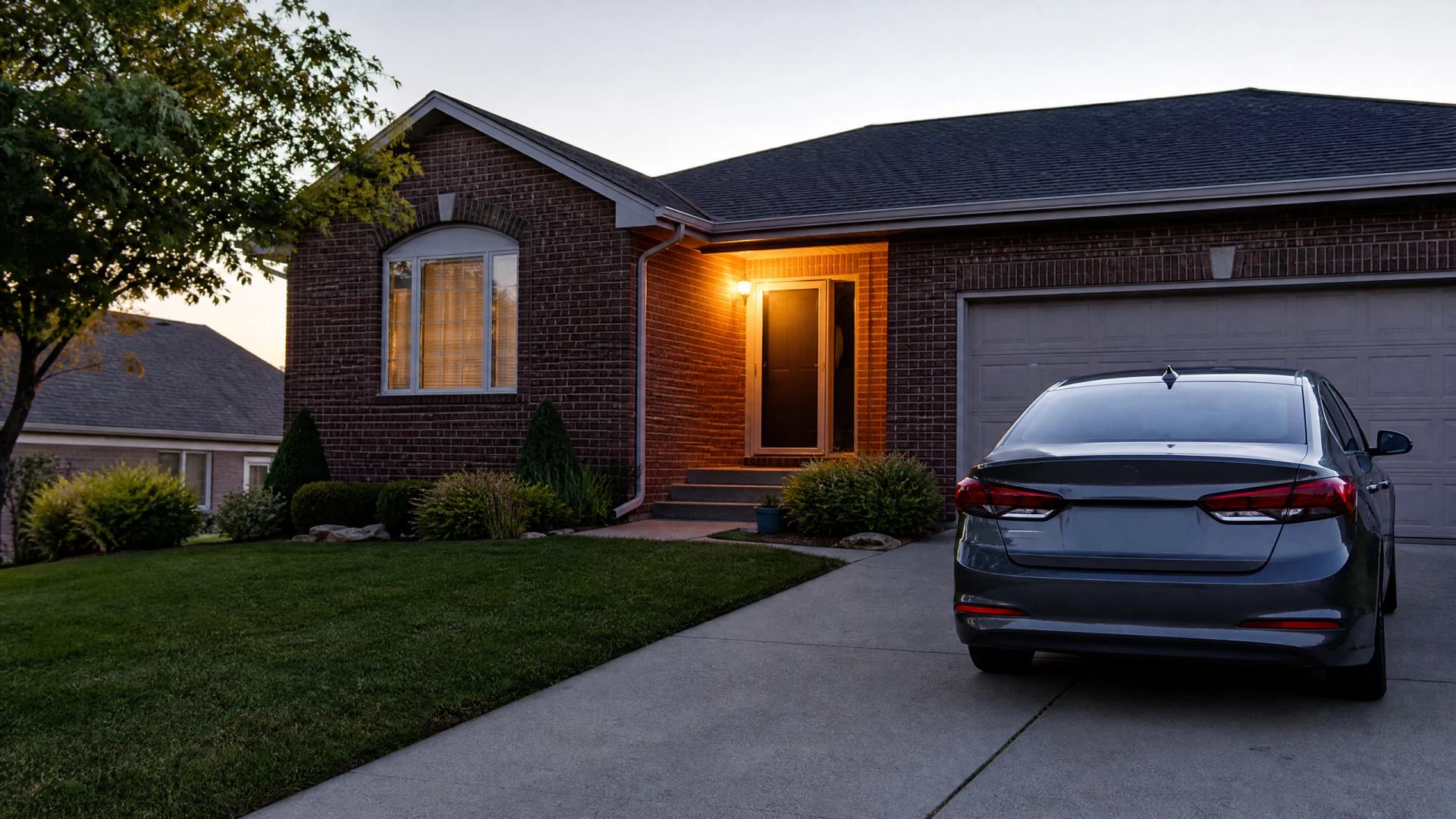
- The unused second car A car nobody drives can still cost you in premiums and sometimes in liability if it's not properly stored or titled. Decide whether to insure it minimally, sell it, or title it over, rather than letting it sit as-is.
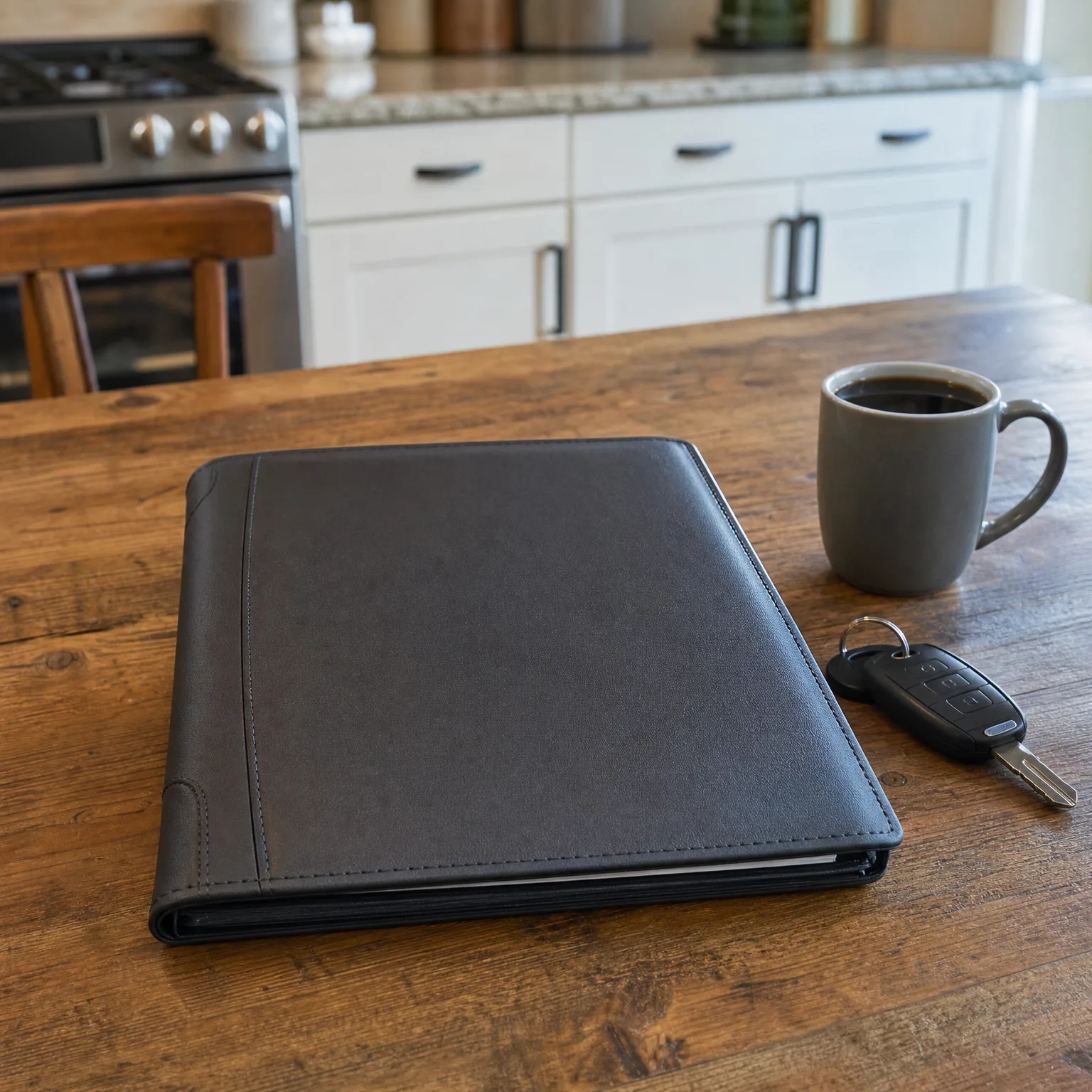
- Whose name is on the policy now If the policy is still in a deceased spouse's name, insurers typically need it updated before claims or changes go smoothly. Call and ask what documents they need to retitle the policy in your name.
Do I need to change the policy name after my spouse died?
Yes, most insurers want the policy updated to reflect the surviving policyholder, usually with a death certificate. Until it's updated, claims or coverage changes can be delayed or complicated. Call the insurer directly, ask what documents they require, and do this before you make any other changes to the coverage itself.
Should I keep the second car insured if no one drives it?
It depends on whether it's titled, stored safely, and whether your state requires continuous coverage to avoid a lapse. Letting coverage lapse can raise future rates or create a registration problem. If you plan to sell or transfer it soon, ask the insurer about a short-term minimum coverage option instead of dropping it entirely.
What happens to car insurance if the policyholder dies?
The policy doesn't cancel automatically, but it does need to be transferred to a surviving spouse or listed driver to keep working smoothly. Insurers typically ask for a death certificate and some paperwork. Until that's done, claims can be delayed, so it's worth handling early, even before you decide whether to change any coverage.