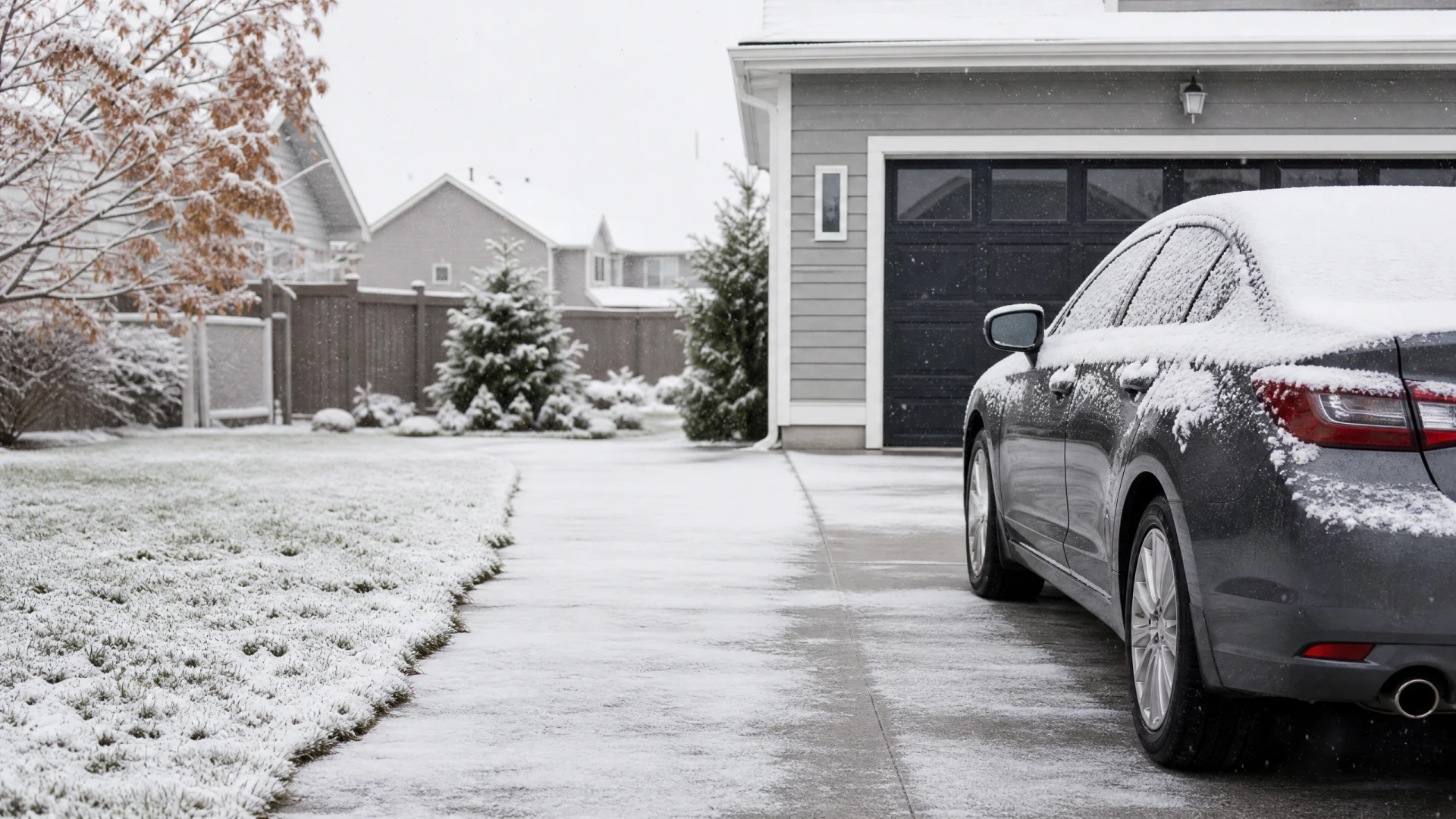
Is 5000 Miles a Year a Lot
No, 5,000 miles a year is well below average, and it usually qualifies you for a lower rate if you report it.
What to do now that the mileage dropped
- Update the mileage on file Insurers estimate your annual mileage unless you correct it. If a car is driven far less than before, call or log in and update the number so the rate reflects reality.
- Ask about low mileage discounts Many insurers lower the rate once mileage drops below a certain point. This isn't automatic everywhere, so ask directly what the cutoff is and whether you qualify.
- Reconsider full coverage A car that mostly sits may still need liability coverage if it's titled and driven occasionally. Whether you can drop comprehensive or collision depends on the car's value and whether a loan requires it.
- Ask about storage coverage If the car isn't driven at all for a stretch, some insurers offer a reduced rate for storage rather than full cancellation. Ask what's required to qualify and whether you can switch back easily.
- Update the listed driver If your spouse was the primary driver on that car and you now drive it occasionally, the policy may need the driver information corrected. This affects both the rate and how a claim would be handled.
Should you cancel insurance on a car nobody drives anymore?
Not usually, unless you're also getting rid of the car. As long as the car is titled in someone's name and parked somewhere, most states and most insurers still expect it to carry at least liability coverage, even if it never leaves the driveway. Driving it even rarely, to keep the battery alive or move it for the plow, means it needs to be insured.
What you can usually do instead is lower the coverage significantly. Dropping comprehensive and collision may make sense if the car is older or paid off, since you'd be paying for protection on value that's already low. Ask your insurer about a reduced usage or storage classification, which exists specifically for cars that sit most of the time. Check what your state requires before you cancel anything outright, because driving an uninsured car even once, even to the shop, can create real problems if something happens.

Now that you know what to keep, reduce or store, compare quotes to see what the new mileage actually costs.

Whether you update the mileage on the policy
If you do
You report the lower mileage, and the insurer adjusts your rate to reflect it. If you qualify for a low mileage discount, it usually applies at the next renewal. You pay for how the car is actually used now, not how it used to be driven before things changed.
If you don't
The policy keeps charging based on the old estimate, which assumes more driving than is happening. You keep paying a rate built for a different year of your life. Nothing goes wrong exactly, but you're covering miles nobody's putting on the car.

A second car that sat in the driveway for months
One reader had her husband's car still titled in his name six months after he passed. She didn't drive it often, maybe a few miles a week to keep it running, but she wasn't ready to sell it yet. She wasn't sure whether to keep paying full coverage, switch it to her name, or cancel it outright, and she worried that doing the wrong thing would leave her without coverage if something happened while she figured it out.
She called the insurer, explained the mileage was now under 5,000 a year, and asked what her options were. They retitled the policy in her name, kept liability coverage active since the car was still driven occasionally, and dropped comprehensive and collision since the car was older and paid off. The rate came down because of both the mileage and the reduced coverage. She didn't have to decide about selling the car right away. She just had to make sure it was covered correctly for what it actually was now, a car driven rarely, by one person, that still needed to be legal to drive when she did use it.

The policy should match how the car is used today, not how it was used when your spouse managed it.