Is a 13 Year Old Car Too Old to Keep Insured
No. Age alone doesn't make a car uninsurable, what matters is how much the car is worth and how you use it now.
Age is a number, value is what the policy actually cares about
Insurers don't have a cutoff where a car becomes too old to cover. What they price is risk and value. A 13 year old car can absolutely be insured for liability, and often still makes sense to carry comprehensive and collision if the car still has meaningful value or if you'd want it replaced after an accident.
The real question most people are actually asking is whether it's worth paying for the fuller coverage, not whether the car can be insured at all. As a car ages, its value usually drops, so the payout you'd get if it were totaled shrinks too. At some point the premium for comprehensive and collision can get close to what the car is worth, and that's when it stops making financial sense, not because the car is uninsurable but because you'd be paying a lot to protect very little.
This is also where things diverge by situation. A well maintained car that's still driven daily is a different case than one sitting in a driveway unused. A car that's paid off gives you the freedom to choose your coverage level, while a car still financed usually has a lender requiring comprehensive and collision regardless of age. Check your loan or lease terms if you're unsure which applies to you.
State rules can also shape your options. Minimum liability requirements vary by state, and some states have different rules around things like uninsured motorist coverage or inspections for older vehicles. None of that is about the car being too old to insure, it's about what coverage is required versus optional where you live. Check with your state's insurance department or your insurer directly for what applies to you.
A widow deciding what to do with her late husband's old sedan
Her husband had handled the insurance for both cars for decades, and after he passed she found a 13 year old sedan in the garage that he used for errands and that she rarely drove. She assumed something that old might not even qualify for coverage anymore, and she wasn't sure whether to sell it, give it away, or just let the policy lapse.
She called to ask directly, and found out the car could stay insured without any issue. What she actually had to decide was whether to keep paying for comprehensive and collision on a car worth very little, or drop down to just liability since she barely drove it. She checked the car's estimated value, compared it to what the fuller coverage cost per year, and decided liability only made more sense while she figured out long term whether to keep the car at all. That gave her breathing room to make the bigger decision later, without worrying she'd done something wrong with the policy in the meantime.

Deciding whether to keep full coverage on an older car
If you do
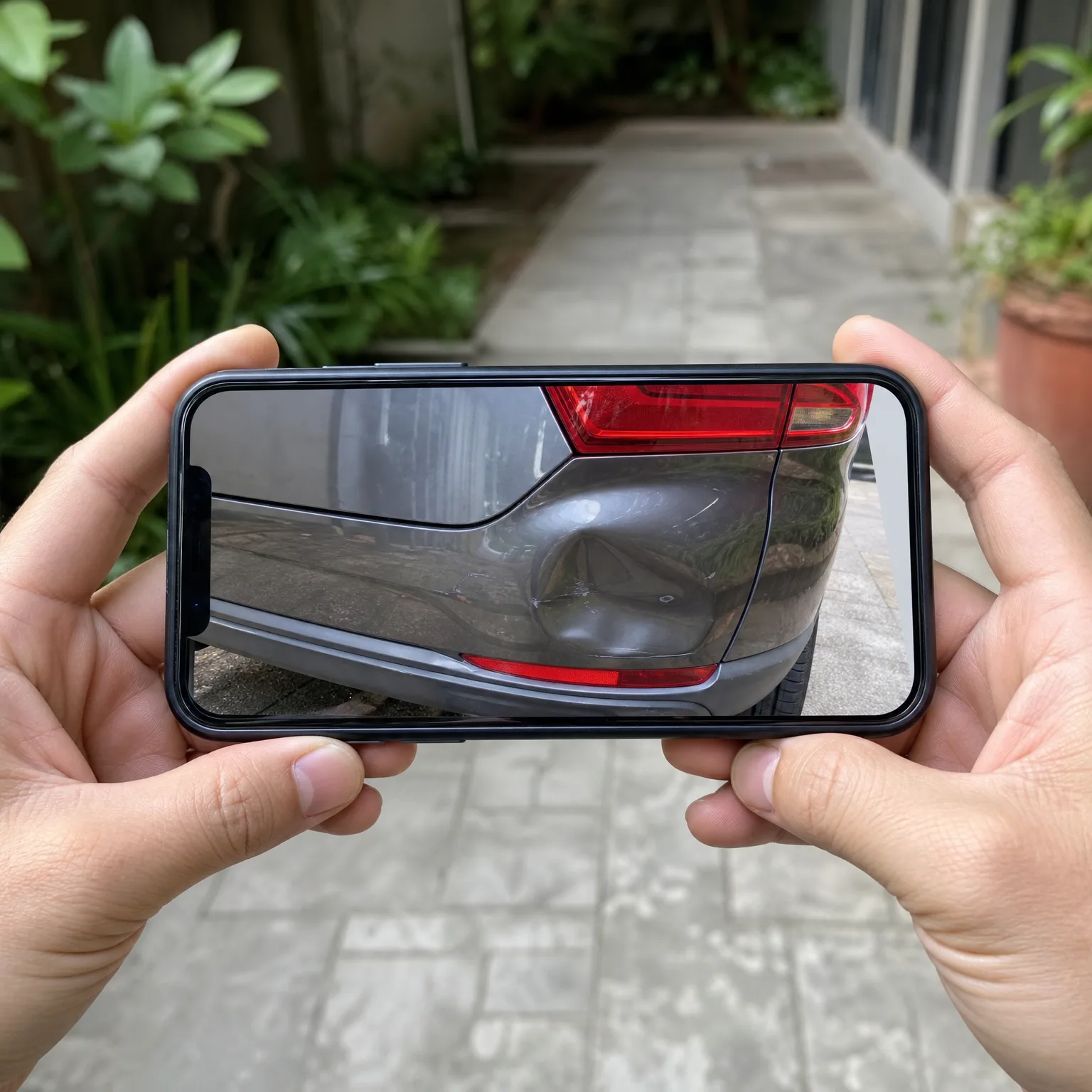
You keep comprehensive and collision, so if the car is stolen, totaled, or badly damaged, you get a payout based on its current value. That payout may be modest for a 13 year old car, but you're protected from an unexpected total loss and you won't have to pay out of pocket to replace it.
If you don't
You drop to liability only and lower your premium, but you take on the full risk yourself. If the car is totaled or stolen, you get nothing from your insurer toward replacing it. This only makes sense if you could comfortably afford to replace or go without the car.
Once you know what coverage fits this car, compare quotes to see what keeping or adjusting that coverage really costs.

What actually determines the right coverage for an older car
- Check the car's value Look up what the car is actually worth today, not what it cost originally. This number tells you whether comprehensive and collision still make financial sense.
- Check loan or lease terms If the car is financed or leased, the lender likely requires comprehensive and collision regardless of age. If it's paid off, the choice is yours.
- Compare cost to value If a year of comprehensive and collision costs close to what the car is worth, it may be time to drop to liability only.
- Think about usage A car used daily carries different risk than one sitting mostly unused. Low use can support dropping to a lighter coverage level.
- Check state minimums Liability minimums and related rules vary by state. Confirm what's required where you live before changing anything.

The car's age was never the obstacle, its current value is what should be driving your decision.
Should I drop collision coverage on an old car?
Consider it once the car's value gets close to what a year of collision coverage costs. At that point, you'd be paying a lot to protect very little, since a payout would be based on current value, not what you originally paid. Check the car's estimated value against your premium for comprehensive and collision specifically. If the car is financed, this choice may not be yours to make, since lenders typically require it until the loan is paid off. If it's paid off and rarely driven, dropping down often makes sense.
What happens to car insurance after a spouse dies?
The policy itself doesn't automatically cancel, but it may need to be updated to reflect the surviving spouse as the primary policyholder. Contact the insurer to let them know, since some details like the named insured or beneficiary information may need to change. Coverage usually continues without a gap if you keep paying premiums on time. What changes is often paperwork, not protection. Ask specifically what documents they need, since this varies by insurer.
Is it cheaper to insure an old car or a new car?
Generally an old car is cheaper to insure for liability, but the gap narrows or disappears if you're comparing full coverage, since a new car may actually cost less to insure comprehensively relative to its value. What matters most is the car's current value and repair costs, not just its age. A cheap used car with expensive parts can sometimes cost more to insure than expected. Get quotes on the specific car to know for sure.