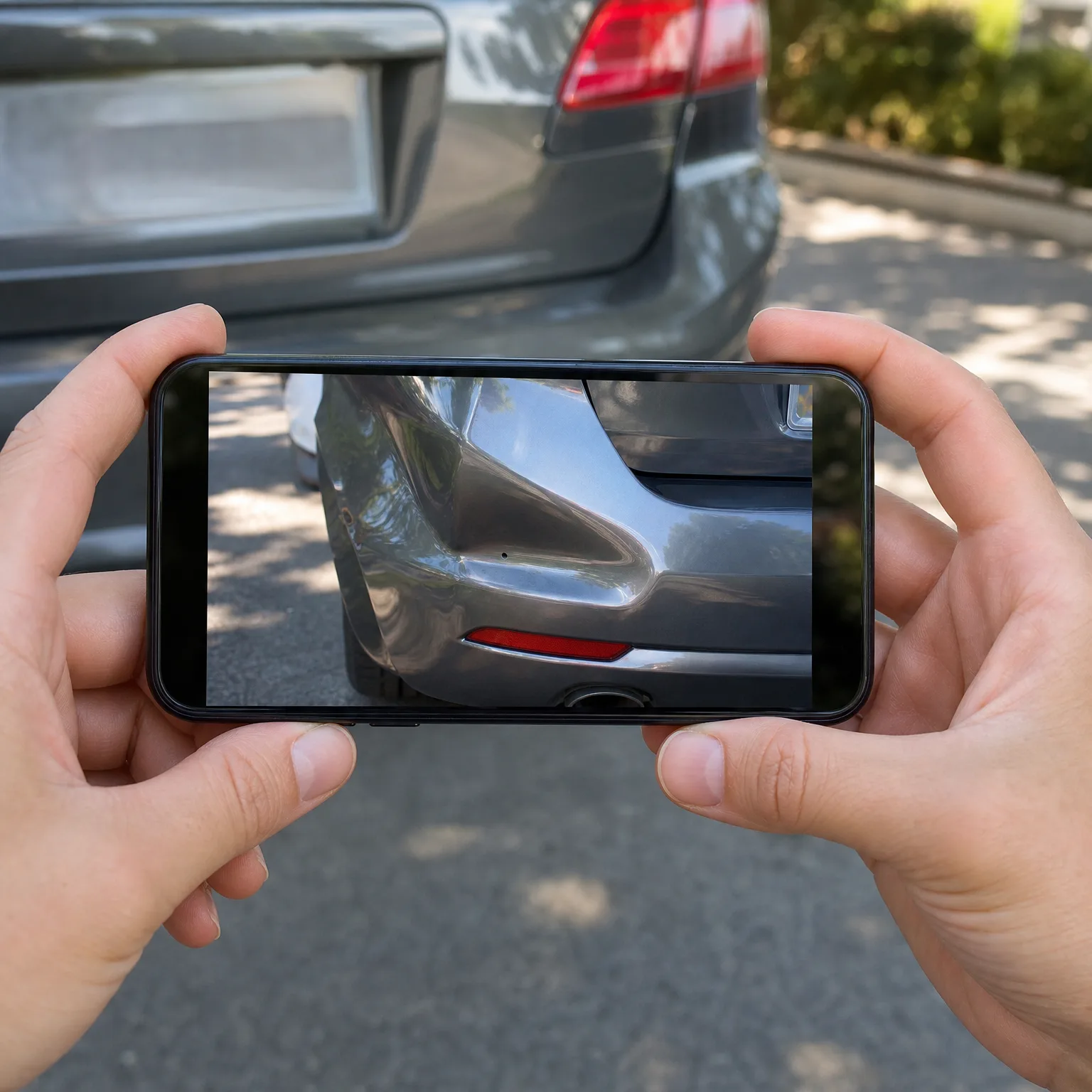
Is a 2000 Dollar Collision Deductible Good
It depends on what you can afford to pay, not on the number itself
A deductible is the amount you pay before insurance covers the rest of a collision claim. A higher deductible lowers your premium because you're agreeing to carry more of the risk yourself.
The math also depends on the car itself. If the car is worth much less, that same deductible might not be worth the premium savings at all, because you could be paying more over time for coverage that barely pays out on a claim.
Right now your situation has an added layer. If this policy or this car belonged mostly to your spouse, you may be paying for coverage shaped around decisions you didn't make. A deductible chosen for a two-driver household with two incomes doesn't automatically still fit a one-driver household. It's worth treating the deductible as a fresh decision, not an inherited default.
This also varies by insurer and by state in how deductibles interact with other coverage, like whether a lower deductible applies if another driver is clearly at fault. Check your policy or ask your insurer how fault affects what you'd actually pay out of pocket.

A widow decides what to do with a high deductible on an unused car
One was hers, which she drove daily. The other had been his, and it mostly sat in the driveway. She didn't know why the deductible had been set so high and worried that lowering it would cost more than it was worth.
She called the insurer, asked what the deductible would cost to lower on her daily car, and compared that to what she could realistically pay if she had an accident. She kept the higher deductible on her own car since she had savings set aside and the premium difference was worth more to her month to month. For the second car, she looked at how rarely it was driven and decided to remove collision coverage on it entirely rather than pay for protection on a car no one used. The decision left her paying for real risk instead of inherited habit.

The deductible that made sense for your household before doesn't have to be the one that makes sense now.
Compare quotes with a deductible that matches what you can pay today, not what was set years ago.
Should I lower my deductible now that I'm the only driver on the policy?
Not automatically. Being the only driver changes your risk picture, but it doesn't by itself tell you whether a lower deductible is worth the higher premium. What matters is how much you drive, how much savings you have set aside for a sudden expense, and how much the premium actually changes at each deductible level.
Ask your insurer for quotes at a few different deductible amounts so you can see the real tradeoff in dollars, not just in theory. If lowering it costs more per year than the difference you'd save in a claim, keeping it where it is may still make sense. If your savings are tighter now than they were before, a lower deductible might be worth paying extra for the peace of mind.
Can I change my deductible without losing other coverage on the policy?
Yes, changing a deductible is a routine adjustment and doesn't affect your other coverages like liability or comprehensive. You can ask your insurer to show you quotes at different deductible levels before committing to any change. The only thing to check is whether any discount you have is tied to a specific deductible level, since removing that bundle could change your price elsewhere.
Should I drop coverage entirely on the car nobody drives?
It depends on whether the car is still titled, insured legally required, and worth protecting against theft or damage while parked. If it's rarely driven, you might keep comprehensive coverage for theft or weather damage while dropping collision, which only applies to accidents. Ask your insurer what minimum coverage is required if the car stays registered and parked rather than driven.
How do I find out what deductible my spouse originally chose and why?
Call the insurer directly and ask for a full policy summary, which will show every coverage and deductible currently in place. They can't tell you the reasoning behind old decisions, but they can walk you through what each choice currently costs and offer alternatives. This is also a good time to ask whether anything on the policy was set up as a bundle or discount tied to another policy you may not still have.