Is a Higher Car Insurance Deductible Better
A higher deductible is better when you can cover it easily and the car is driven rarely enough to make the savings real.
It lowers your premium by shifting risk you may not need to shift
A deductible is the amount you pay before coverage kicks in on a claim. Insurers price risk, so when you agree to absorb more of a small loss yourself, they charge you less to carry the policy. Raising the deductible is a bet that you won't file many claims, and if that bet is right, you keep the savings every single month whether or not anything happens to the car.
The reasoning changes with how the car is used. A car driven daily in traffic, in bad weather, or by someone less experienced has more chances for a claim, so a lower deductible protects against a cost that's more likely to show up. A car that sits most of the time, gets driven occasionally, or is kept almost as a backup carries less of that daily risk, so a higher deductible tends to make more sense because you're paying less for protection you'll rarely use.
The other half of the decision is what you could actually pay out of pocket on short notice. If a higher deductible would mean scrambling for money or skipping the repair entirely, the lower premium isn't worth it no matter how the math looks on paper. The savings only count if you can comfortably absorb the amount you're agreeing to pay first.
This also depends on the car's value and what's left on any loan or lease. An older car worth less makes a higher deductible easier to justify, since a large claim payout was never likely to be large to begin with. A newer or financed car often has requirements or practical reasons to keep the deductible lower, so check your situation before assuming the higher number is the better choice.
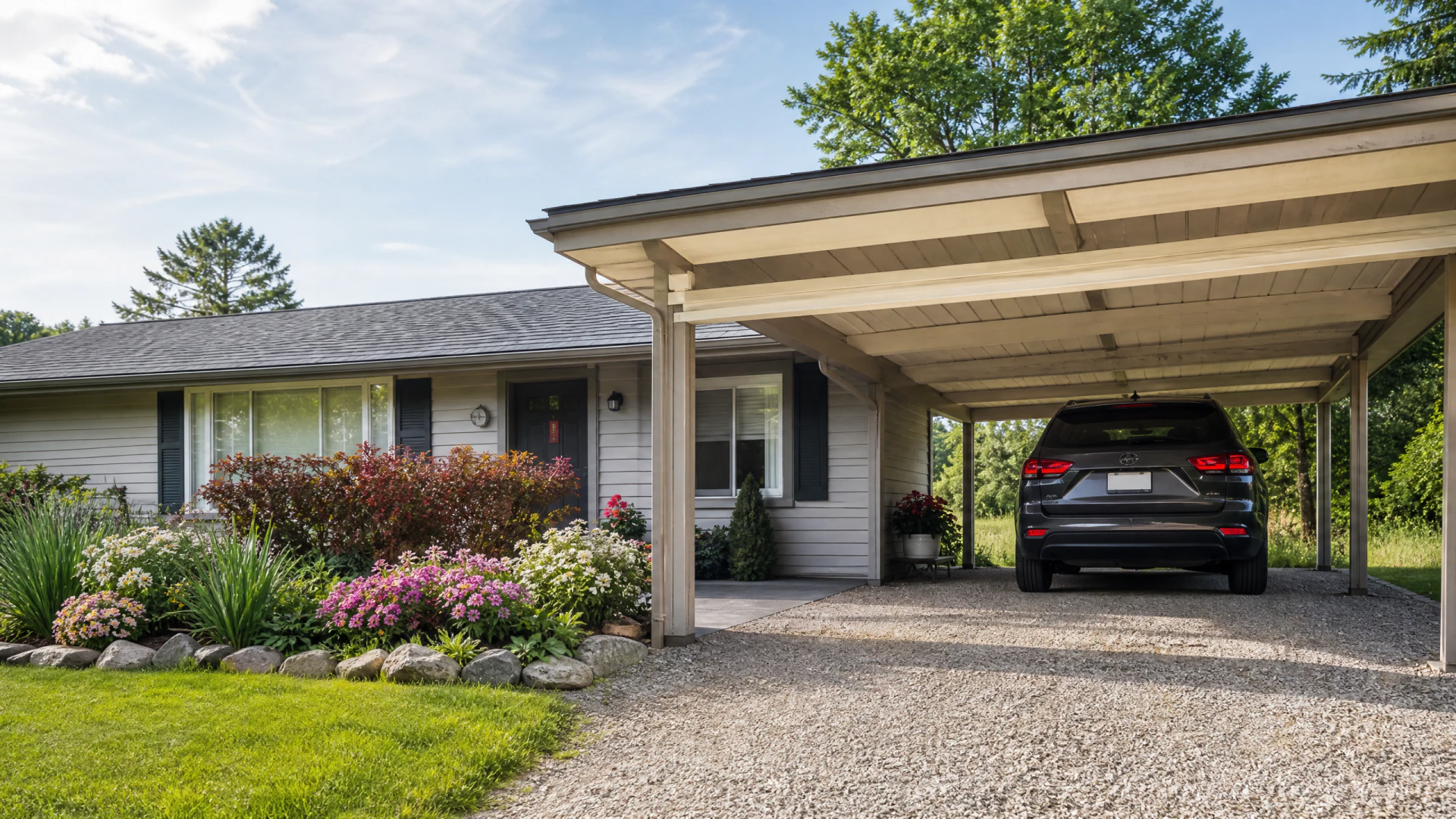
A second car that mostly sits in the driveway now
One reader was deciding what to do with a car that used to be driven to work every day and now goes out maybe once a week for errands. The policy had a low deductible that made sense when the car was in daily traffic, but that risk wasn't really there anymore. They looked at what raising the deductible would save each month and compared it to what they had set aside in savings, confirming they could cover the higher amount without trouble if something happened.
They raised the deductible on that car but left the deductible alone on the car they still drove regularly, since that one faced more daily risk. The monthly savings on the low-use car were modest but steady, and because the car rarely left the driveway, the odds of ever paying that deductible felt low enough to accept. A year in, there had been no claims, and the savings had simply accumulated as a quiet benefit of matching the deductible to how the car was actually used.
The right deductible matches how the car is used and what you could pay today, not a fixed rule.
Once you know which deductible fits how this car is actually driven, compare quotes to see what that choice saves you.
Should both cars have the same deductible?
Not necessarily. Deductibles can be set separately for each car on a policy, so the decision should follow how each car is actually used rather than treating the policy as one single choice.
A car driven daily in varied conditions carries more risk of a claim, so a lower deductible there protects against a cost that's reasonably likely to come up. A car driven rarely, kept as a backup, or mostly parked has less of that exposure, so a higher deductible on that one can lower the premium without taking on much real risk. Check with your insurer on how they handle mixed deductibles across vehicles on the same policy, since the process for setting this up can vary.

What happens if I can't pay the deductible after an accident?
If you can't pay it, the repair generally doesn't move forward until you do, since the insurer pays out only after your share is covered. Some shops will work with you on timing, but the obligation doesn't go away. This is exactly why the deductible you choose should match what you could realistically pay on short notice, not just the lowest monthly premium available.
Does raising my deductible affect coverage for a totaled car?
It can reduce your payout, since the deductible is subtracted from the car's value before you receive anything. On a car worth very little, a high deductible could mean a small payout barely worth filing for. Check the car's current value against the deductible you're considering, since that comparison matters more than the premium savings alone.
Can I change my deductible back later if my situation changes?
Yes, deductibles can usually be adjusted whenever you want, not just at renewal. If the car starts being driven more often, or your savings situation changes, it's worth revisiting the choice rather than leaving it fixed. Check how quickly your insurer applies the change, since some adjustments take effect immediately while others wait for the next billing cycle.