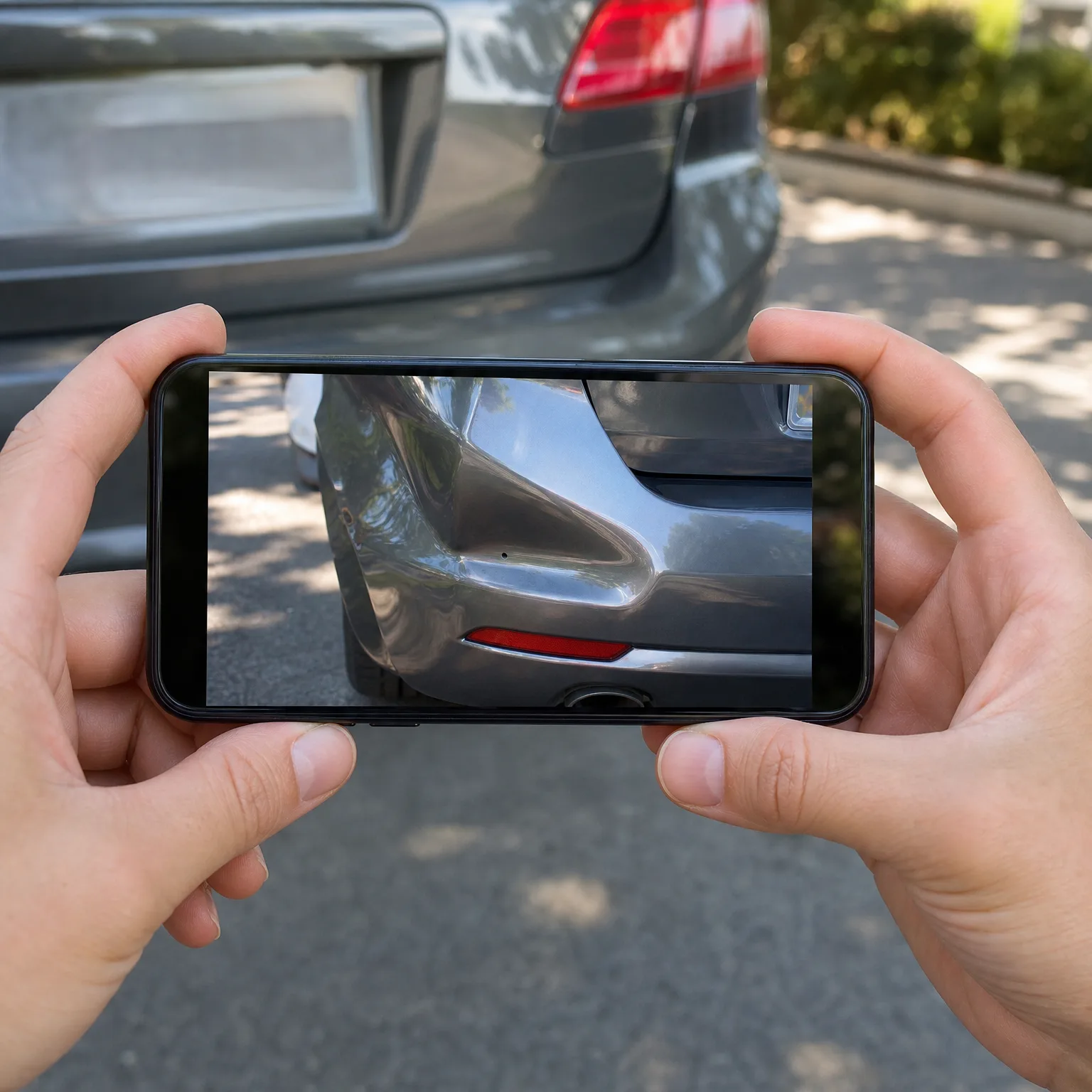
Is a Tire Blowout Covered by Comprehensive or Collision
A plain blowout from wear or road heat is a maintenance problem, not something comprehensive or collision steps in for.
A highway blowout that led to a guardrail hit
Picture a tire that's been losing tread for months finally giving out at highway speed. The driver loses control for a second, clips a guardrail, and dents the front quarter panel. The tire itself is a write-off, but that's not the real cost here. The guardrail damage is.
This is where the two coverages split. The tire failing on its own, with no other car or object involved, isn't something either coverage pays for. But the collision with the guardrail is a different event, and that's exactly what collision coverage exists for. The driver filed under collision, paid the deductible, and got the body damage fixed. The tire itself came out of pocket, replaced like any worn part would be.

The short version
A blowout by itself, from wear, heat, or age, isn't covered by comprehensive or collision. If the blowout causes an accident, like hitting another car or an object, that resulting damage is covered under collision. Check your policy's language on road hazard or tire coverage, since some insurers offer it separately.
What if a road hazard, like a nail or pothole, caused the blowout?
This is where it gets less clean-cut. A tire destroyed by a pothole or a nail is still a tire failing, not a collision with another vehicle, so standard collision coverage typically won't pay for the tire itself. Some comprehensive policies will cover tire damage from road debris if it's framed as damage from an external event rather than normal wear, but insurers differ on this, and it often depends on how the claim is documented and whether the cause can be shown.
The more consistent answer is that if that pothole-caused blowout leads to a crash, the crash damage is covered under collision regardless of what caused the tire to fail. The tire replacement is the part that stays uncertain. Check with your insurer directly about road hazard language before you assume either way.
Now that you know where tire damage and crash damage split, compare quotes that spell out road hazard coverage clearly.
Why tires and crashes are treated so differently
Comprehensive and collision coverage were both built around the idea of sudden, external events, not gradual wear. A tire blowout from age or underinflation is treated like a mechanical failure, similar to a belt snapping or a brake wearing thin. Insurance generally isn't designed to replace parts that fail because they weren't maintained, since that risk is considered within your control.
Collision coverage exists for the moment your car hits something or something hits you. Once the blown tire causes you to swerve into a car, a tree, or a guardrail, you've crossed into an event the policy was built for. The cause of the swerve doesn't matter as much as the fact that a collision happened. That's why the same incident can be split into one covered part and one uncovered part.
Comprehensive sits in between. It covers non-collision events like fire, theft, falling objects, or road debris striking the car. Whether a tire blowout from a pothole falls into that category depends on how your policy defines road hazard damage, and that's genuinely inconsistent between insurers. Some treat it as a mechanical failure regardless of cause, others treat sudden road debris damage as an insurable event.
This is also why some insurers sell tire and wheel protection as an add-on. It exists precisely because standard coverage leaves this gap, and insurers know drivers want a clearer answer than 'it depends.' If tire replacement cost concerns you, checking for that add-on is more useful than hoping comprehensive will cover it.
Stop asking if the tire is covered, and start asking what the tire caused.