Is Canceling Car Insurance a Good Idea
Canceling is only a good idea if the car is truly gone from your life, titled, sold, or never driven again.
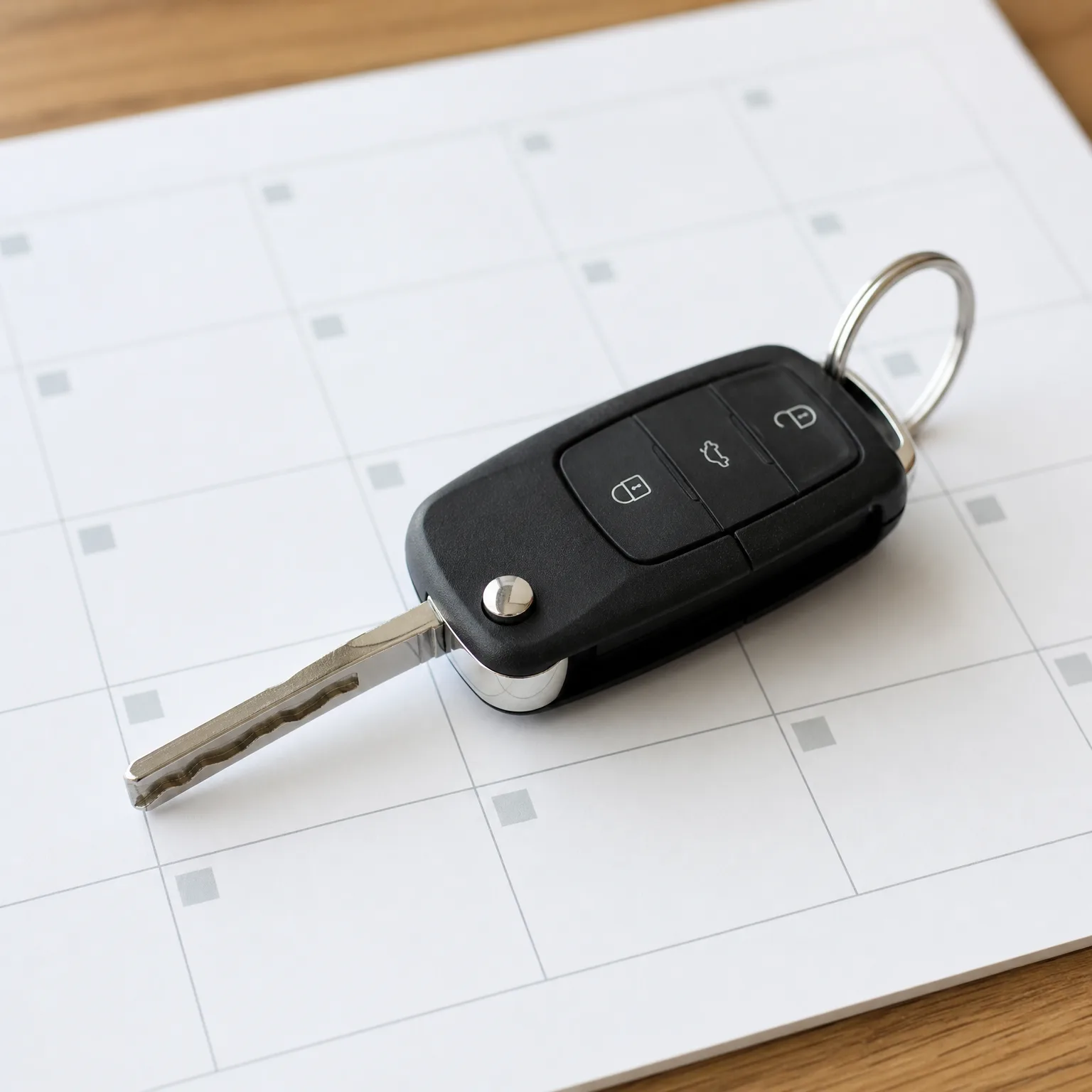
What to check before you cancel anything
- Whose name is on the policy If the policy is in your spouse's name alone, you may need to update it before you can change or cancel it. Call the insurer first and ask what they need from you.
- The title versus the policy A title in your spouse's name doesn't stop you from canceling the insurance, but it does affect selling or transferring the car later. Handle the title separately, on its own timeline.
- A car nobody drives now An unused car still needs some coverage if it's titled and sits in a driveway or garage, unless you plan to sell it soon. Ask about a lower-cost option for a parked vehicle instead of full cancellation.
- Gaps in coverage history If you cancel and later want a new policy, insurers look at whether your coverage was continuous. Keep records of exact cancellation dates in case you need to explain a gap later.
- There's no deadline here Insurance doesn't have to be the first thing you sort out. It's fine to wait until other estate or title matters settle before deciding what to do with the policy.
What happens if I cancel and then need a car again later?
Nothing permanent happens. You can always buy a new policy when you need one, for the same car or a different one. Insurers mainly care about two things: whether you had a continuous record of coverage before, and whether there were any at-fault incidents.
If you cancel now and come back in a few months with no gap explanation, most insurers will just ask why and move on. A short gap tied to a loss in the family is easy to explain and rarely held against you.
What matters more is not letting a car sit uninsured while it's still titled and still able to be driven. If the car is sold or the title is transferred, there's nothing to worry about. If it's just parked, ask about a reduced policy instead of a full cancellation, so you're not restarting from zero later.

Canceling the policy on a car nobody drives
If you do
The payment stops right away, which can be a relief when money and attention are already stretched thin. But if the car is still titled and sits in a garage or driveway, it has no coverage at all, including theft, fire, or weather damage. You'll need to sort the title separately, on its own timeline.
If you don't
You keep paying for a car that isn't being used, which can feel pointless. But the car stays protected while you figure out whether to sell it, gift it, or keep it, and you avoid a gap in coverage history. Many insurers offer a reduced rate for a car that isn't driven.
Once you know what you're keeping and what you're letting go, compare quotes for the coverage that fits now.
Why this isn't a yes or no question
Car insurance exists to cover a specific car being driven by specific people. When one of those things changes, like a car no longer being driven, or a policyholder passing away, the policy doesn't automatically become wrong. It just needs to be checked against what's actually true now.
Canceling makes sense when the underlying reason for the coverage is gone. If the car is sold, gifted, or will never be driven again, there's no reason to keep paying for it. But canceling a policy that still covers a car you own, even one that's parked, leaves that car exposed to theft, vandalism, fire, and weather, none of which require anyone to be driving.
This is also why insurers separate the question of who's on the policy from the question of what's covered. You can usually update a policy to remove a spouse's name, or shift it fully into your name, without canceling anything. That's often simpler and safer than starting over with a new policy later, since a continuous coverage history can matter when you do need a new one.
Where this plays out differently is state rules and insurer policies on parked or stored vehicles, and on how a deceased policyholder's coverage is handled administratively. Ask your insurer directly what their process is, since it varies and the answer changes what makes sense for you.
The decision isn't about the policy. It's about what's true for the car right now, today.
Do I have to remove my spouse's name from the car insurance policy?
Not immediately, but it's worth doing when you're ready. Insurers usually let you update the named policyholder without canceling coverage, especially after a death. Call and ask what documents they need, often just a death certificate. Doing this keeps the policy active and continuous while reflecting who's actually responsible for it now. There's no deadline that forces you to rush this.
What should I do with a car my spouse drove that I don't need?
Decide first whether you're keeping it, selling it, or giving it away, since that decision drives everything else. If you're keeping it for now but not driving it, ask about reduced coverage for a parked vehicle rather than full cancellation. If you're selling or transferring it, the title needs attention too, and insurance can be canceled once that's done.
Will canceling insurance affect my rates if I need a new policy later?
It can, but mainly through gaps, not the cancellation itself. Insurers look at whether your coverage was continuous before quoting you. A short gap explained by a death in the family is usually easy to account for. What matters more is avoiding repeated gaps or letting coverage lapse for a car that's still being driven.