Is Comprehensive Auto Coverage Worth It
It's usually worth keeping on a car you drive, and worth reconsidering on a car that just sits there.
What decides whether comprehensive pays off
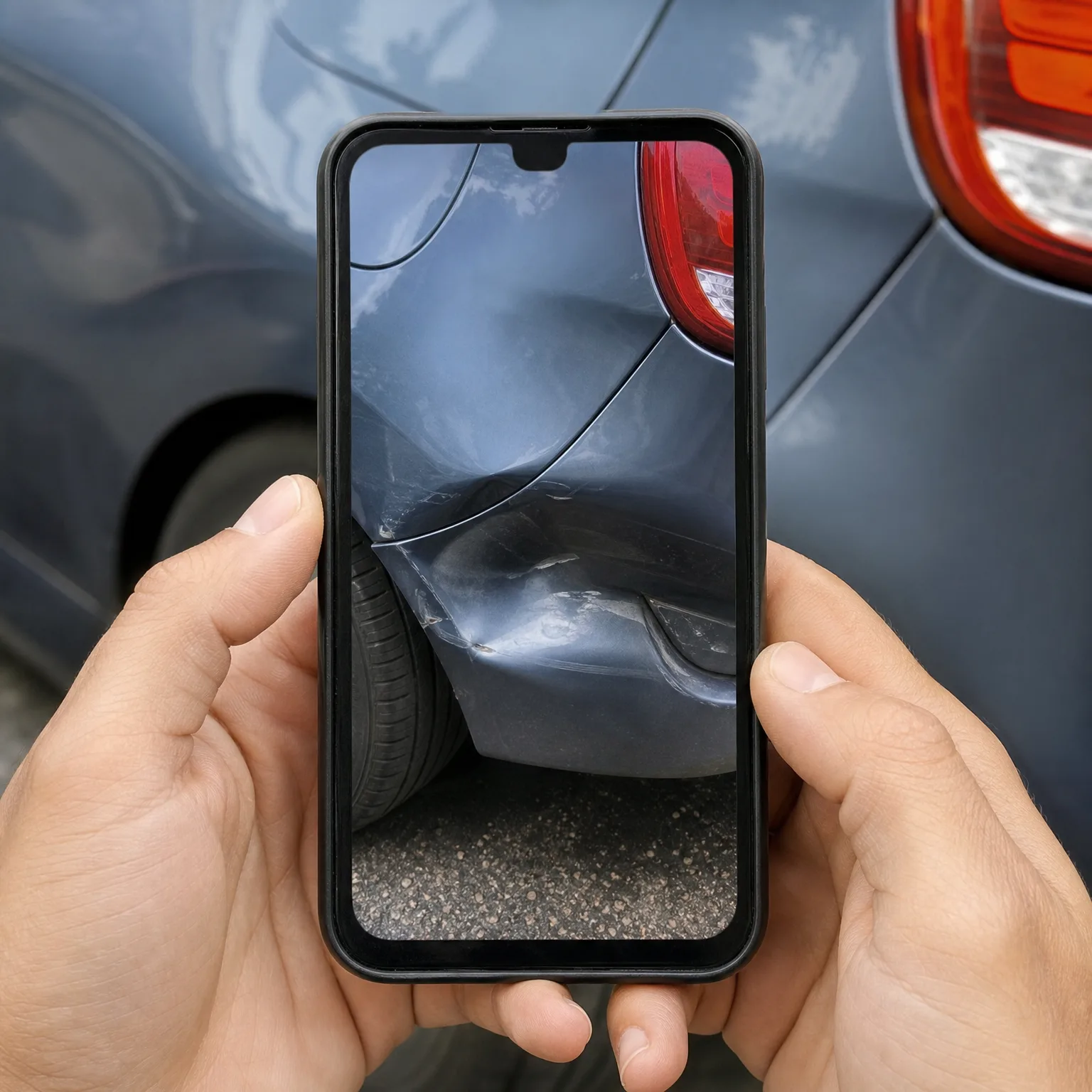
- What comprehensive covers It pays for damage to your car that isn't a crash, like theft, fire, falling branches or hail. If your car is only ever parked in a garage, your risk looks different than a car parked on the street.
- The car's value right now Comprehensive makes less sense as a car gets older and cheaper to replace. Check what the car is worth today, not what you remember paying for it.
- A car nobody drives anymore An unused car still needs some coverage if it's titled and sitting in a driveway or garage, but you may not need the full policy you had when it was driven daily. Ask about reducing coverage instead of canceling it outright.
- A policy in your spouse's name A policy or title in your spouse's name needs to be addressed regardless of what you decide about comprehensive. Call the insurer and ask what paperwork they need to update it.
- Your deductible choice A higher deductible lowers the cost of comprehensive but means more out of pocket if something happens. Pick a number you could actually pay without stress.
Should I drop comprehensive on the car nobody drives now?
Not necessarily, and this is worth checking before you decide anything. A parked car can still be damaged by weather, theft, fire or a tree branch, and comprehensive is what covers that. If the car has real value, dropping comprehensive to save a small amount each month can cost you far more if something happens to it.
What changes the answer is what you plan to do with the car. If you're selling it soon, you may only need coverage for a short stretch. If you're keeping it for a family member or for later, ask your insurer about a reduced-use policy, since some insurers offer lower rates for cars that are driven rarely or not at all. The title and registration matter here too, so check what your state requires for a car that isn't being driven before you cancel anything.

Keeping comprehensive on the second car
If you do
You stay covered if the car is stolen, vandalized, or damaged by weather or fire while it sits unused. You pay a bit more each month for a car that isn't moving, but you avoid an unplanned cost if something happens to it before you decide what to do with it.
If you don't
You save a little money right away, but you're on your own if the car is damaged or stolen while parked. If the car still has real value, that risk can cost far more than what the coverage would have cost you over the same time.
Now that you know whether comprehensive fits your situation, compare quotes to see what it actually costs to keep.
A second car sitting in the driveway
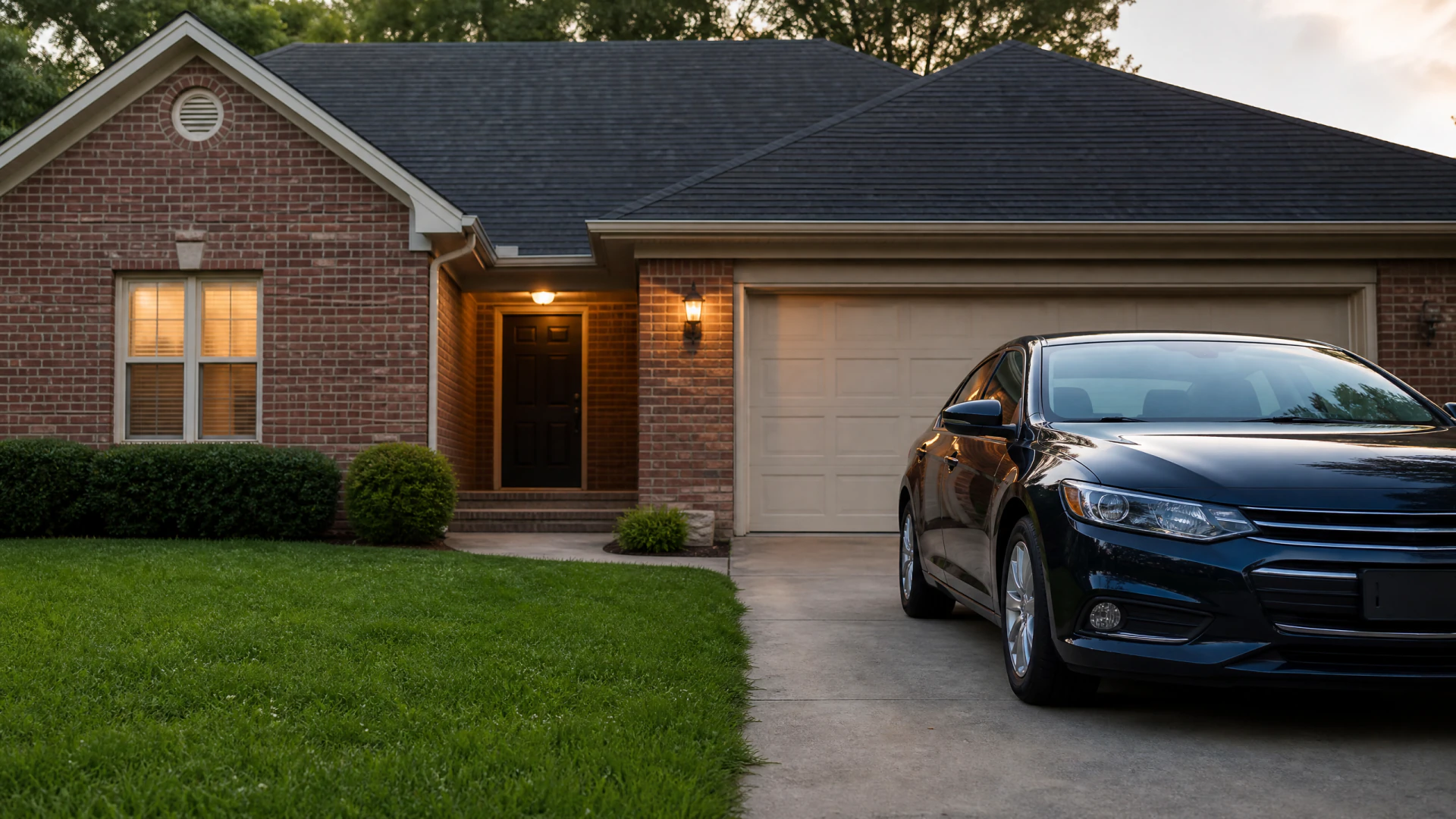
A woman who had recently lost her husband found herself handling a two-car policy he had always managed. One car was hers and still driven daily. The other was his, parked in the driveway, untouched since the funeral. She wasn't sure whether to keep paying full coverage on a car nobody was driving, or whether dropping it entirely would leave her exposed if something happened to it before she figured out what to do.
She called the insurer, explained the situation, and asked about her options for a car that wasn't being driven. They offered a reduced-use version of the policy that kept comprehensive in place but lowered the cost since the car wasn't adding mileage or driving risk. She kept that coverage while she decided whether to sell the car or give it to her adult son, and updated the title into her name in the meantime. When she did sell it, she canceled the policy on that car and kept her own simple and unchanged.
Why the answer depends on the car, not a rule
Comprehensive exists for damage that doesn't come from driving, so its value depends on what could happen to the car while it sits still or while you're not behind the wheel. A car in a high-theft area or exposed to storms carries more risk than one tucked into a garage. That's why there's no single right answer. It comes down to what could realistically happen to your specific car in its specific situation.
The car's value is the other half of the decision. Insurers price comprehensive against what they'd have to pay to replace or repair the car, so on an older car worth very little, the payout you'd get may not be much more than what you'd spend on coverage over time. On a newer or well-kept car, that math flips, and the coverage is worth more relative to what you're paying for it.
State rules and insurer policies both shape what you can do here, especially with an unused car. Some states have different requirements for a car that's titled but not driven, and some insurers offer reduced-rate policies for low-mileage or stored vehicles. This is worth asking about directly, since it isn't something every policy mentions upfront.
The cases where this works out differently usually involve a plan. If you know you're selling the car soon, short-term coverage might make more sense than adjusting the full policy. If you're keeping it for someone else to drive later, ask whether that person needs to be added now or when they start driving it. The right move depends less on a general rule and more on what you actually intend to do with the car next.