Is Comprehensive Insurance the Same as Full Coverage
No, comprehensive is just one part of what people mean by full coverage, and it doesn't cover a crash you cause.
When one spouse's policy turns out to be half the picture
A widow was reviewing her late husband's policy and saw comprehensive listed with a decent amount of coverage. She assumed that meant the car was fully protected and almost let the rest of the policy lapse when she switched the title into her name, thinking comprehensive was the main thing to keep. Before making changes, she called the insurer to ask what each line actually covered.
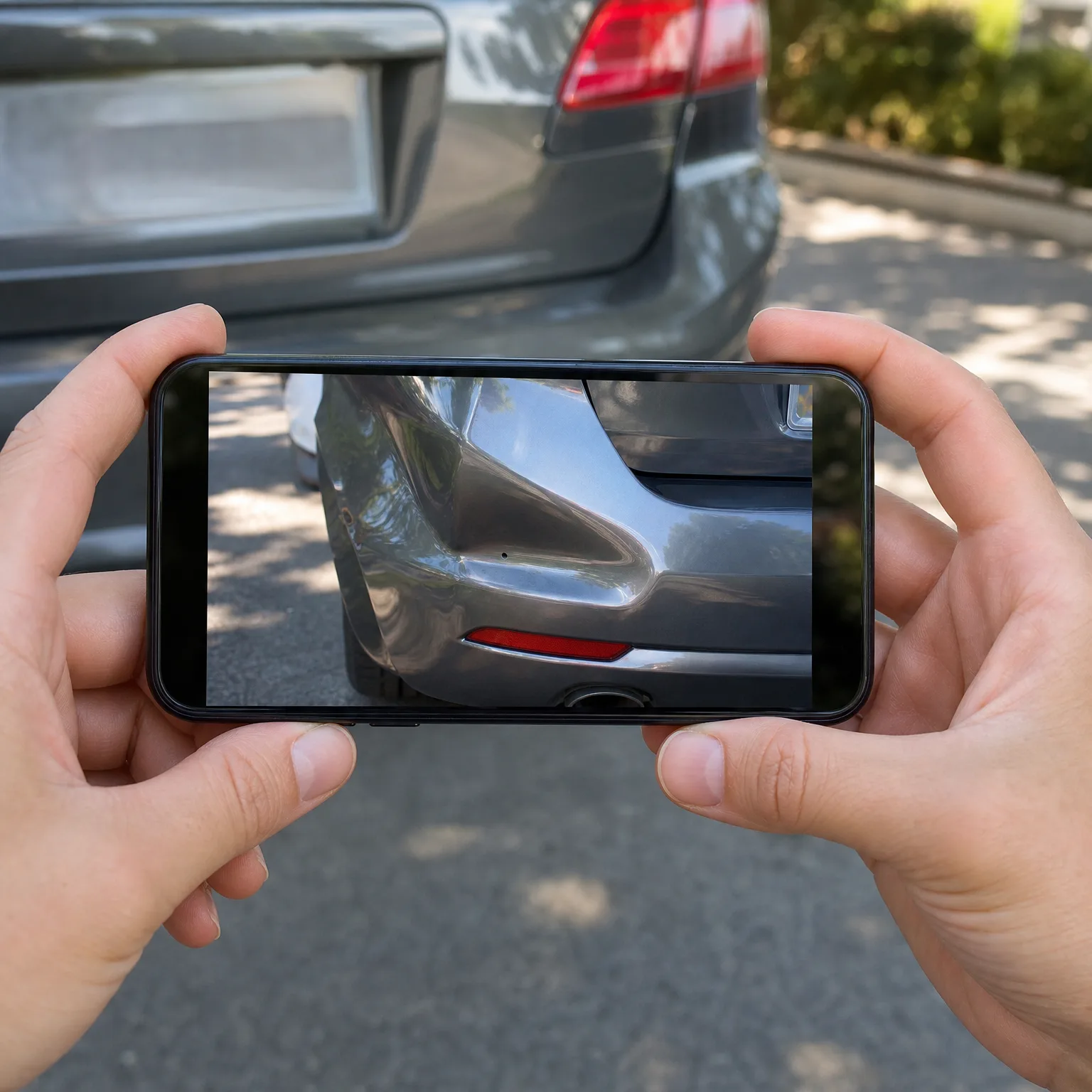
It turned out comprehensive only covered things like theft, fire or a tree falling on the car. The policy also had separate collision coverage, which was what would pay out if she caused an accident herself, and that was the piece she'd almost dropped. Once she understood the difference, she kept both and simply removed her husband's name from the policy. She ended up with the same protection she had before, just properly understood and in her own name.

The short version
Comprehensive and full coverage aren't the same thing. Comprehensive only handles non-crash damage, like theft or weather, while full coverage usually means comprehensive plus collision plus your state's required liability. Check your policy's declarations page to see exactly which coverages you're paying for.
Do I still need collision coverage if I rarely drive the car?
Yes, if the car still has meaningful value and you'd want it repaired or replaced after an accident. Collision coverage pays out when you hit something or something hits you, regardless of how often the car leaves the driveway. A car that sits most of the week can still get hit in a parking lot or by another driver.
The real question isn't how often you drive it, it's what you'd do if it were damaged tomorrow. If you'd pay out of pocket to fix or replace it, keep collision coverage. If the car is old enough that you'd just let it go, that's when dropping collision starts to make sense, and that's a value question, not a usage question.
Once you know which coverages you actually need on each car, compare quotes to see what that protection costs.

What to check before you decide anything
- Read the declarations page This single page lists every coverage you're paying for, not just comprehensive. It's the fastest way to see what you actually have.
- Separate the two coverages Comprehensive and collision are billed separately and cover different situations. Knowing which is which tells you what you'd lose if you dropped one.
- Confirm your required liability Every state sets a minimum, and it varies by where you live. Confirm your current policy meets it before changing anything else.
- Decide based on the car's value A car that sits unused still needs a decision about its worth and risk. Base that decision on the car itself, not on habit.
- Ask before changing names Changing names on a policy can affect pricing and coverage in ways that aren't obvious. Call and ask what changes before you make them.
Why these terms get confused and what's really going on
Comprehensive has a specific, narrow meaning in insurance. It covers damage to your car that didn't come from a collision, things like theft, vandalism, fire or a falling branch. It says nothing about what happens if you rear-end someone or run off the road yourself. That's a separate coverage called collision, and it's priced and chosen separately.
"Full coverage" isn't an official insurance term at all. It's a phrase people use loosely to mean a policy that includes comprehensive, collision, and whatever liability your state requires, on top of each other. Because it's informal, it doesn't come with a fixed definition, so two people can both say "I have full coverage" and mean different combinations of protection.
This matters most when a car's value changes or when someone is reviewing a policy they didn't set up themselves. A car that's older or worth less may not be worth carrying collision on, since the payout is capped at the car's value. A newer or financed car almost always needs both comprehensive and collision, and a lender will often require it.
The exception is when a car is paid off and worth very little. In that case, some people intentionally drop collision and keep only comprehensive or just liability, accepting that they'd cover repair costs themselves. That's a reasonable choice, but it should be a choice you make on purpose, not one you assume because of a label.