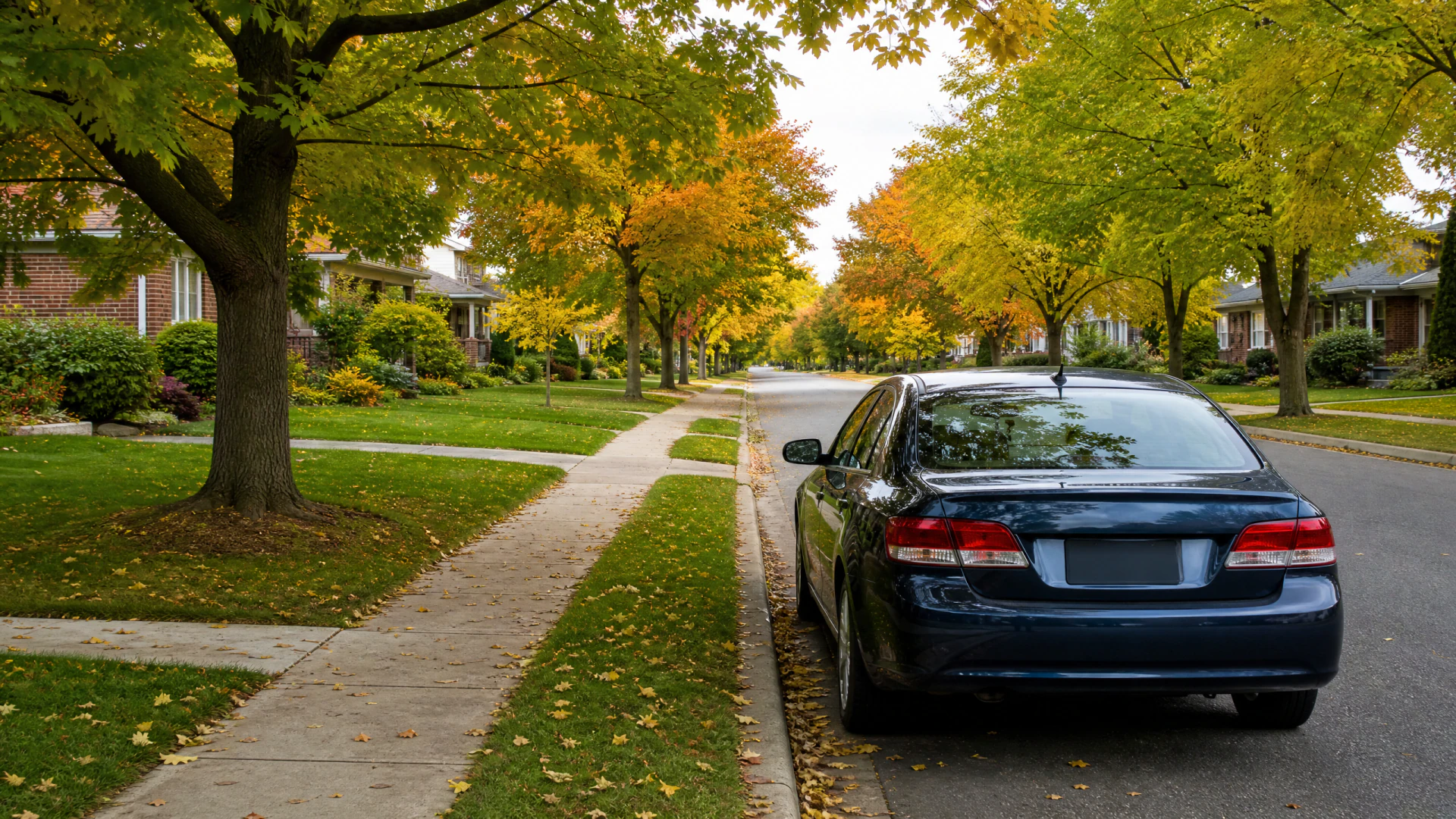
Is Comprehensive Only Coverage Worth It for a Parked Car
Yes, comprehensive only is worth it for a parked car, since it covers theft, fire and weather damage for far less than full coverage.
It protects the car's value without paying for driving you skip
Comprehensive coverage pays for damage that happens to a car even when nobody is driving it, things like theft, fire, falling branches, flooding or vandalism. That's exactly the kind of risk a parked car still carries. The part of your policy that costs the most, liability and collision, exists to cover crashes and injuries, and a car that never moves isn't generating that risk. Dropping those pieces while keeping comprehensive matches your coverage to what can actually happen.
The tradeoff is that comprehensive alone won't help if the car is damaged while moving, and it won't cover injuries to anyone. If there's any chance someone will drive the car, even briefly to move it or start it up, you're exposed the moment it leaves comprehensive-only territory. Some states and insurers also have rules about how long a car can sit uninsured for liability before it affects your ability to re-register it later, so this isn't purely a coverage question.
Lenders complicate this too. If the car is financed or leased, the loan agreement almost always requires collision coverage as well, not just comprehensive, because the lender has a financial stake in the car's condition regardless of whether it's being driven. Check your loan terms before dropping anything.
The other variable is how long the car will actually sit. If it's a few weeks, the savings may not be worth the hassle of changing coverage twice. If it's months, going comprehensive-only usually makes clear financial sense, since you're paying only for the risks that still exist.
What happens if someone drives the car while it only has comprehensive coverage?
You'd have no coverage for that trip. Comprehensive doesn't apply to collisions, so if the car is in an accident while being driven, there's no liability coverage for the other driver's damages and no collision coverage for your own car. You'd be paying out of pocket for everything, and depending on your state, driving without liability coverage can also bring fines or license consequences on top of the crash costs.
This is why comprehensive-only coverage only makes sense if the car truly isn't moving, not even for a quick errand or to charge the battery. If you think there's a real chance you or someone else will drive it, even occasionally, keep at least minimal liability coverage in place, or switch back before the car goes anywhere.

Switching to comprehensive only while the car sits
If you do
You keep protection against theft, fire, storms and vandalism, and your monthly cost drops since liability and collision are gone. You'll need to remember the car has no coverage if it's driven, so keys should stay put. When you're ready to drive again, you switch coverage back before starting the car.
If you don't
You keep full coverage and the ability to drive the car without any extra steps, but you keep paying for liability and collision protection you're not using. Over months of the car sitting idle, that adds up to real money spent on risk that isn't there. It's simpler, just more expensive.
Compare quotes for comprehensive-only coverage now that you know it fits a parked car.
Can I remove insurance completely on a car I'm not driving?
You can in some states, but it's riskier than it sounds. If the car is registered, most states require at least liability coverage to keep that registration valid, so dropping all insurance can mean surrendering your plates or facing a lapse penalty when you re-insure later. If the car is paid off and you're willing to deregister it entirely, going without any insurance becomes possible, but then it also has no protection from theft or damage. Check your state's rules on registration and insurance before deciding, since this is one of the areas where requirements vary.
Will dropping to comprehensive-only cause a lapse in coverage history?
No, as long as the policy stays active without a gap. Comprehensive-only is still a real insurance policy, it's just missing liability and collision pieces, so insurers still see continuous coverage on your record. What would cause a lapse is cancelling the policy entirely rather than adjusting it. If you're unsure how your insurer will log the change, ask them directly whether switching coverage types counts as a gap, since reporting can differ between insurers.
How do I know if my parked car still needs comprehensive at all?
You need it if the car has value worth protecting and sits somewhere exposed to theft, weather or vandalism. A car parked on the street or in an uncovered area carries more risk than one in a locked garage, though garages don't eliminate risk entirely. If the car is old enough that repair or replacement cost is very low, comprehensive may cost more over time than it would ever pay out, and that's worth running the numbers on with your insurer.
The real question isn't whether the car is parked, it's whether anyone might still drive it.