Is It Bad to Not Report an Accident to Insurance
Skipping a report can be fine for minor damage you're paying yourself, but risky once anyone else or their property is involved.

A fender bender in a parking lot, handled quietly
You backed into another car in a lot and left a small dent in their bumper. The other driver didn't want to involve insurance, so you offered to pay for the repair out of pocket. You got a written estimate from a body shop, paid it directly, and asked the other driver for a signed note confirming the damage was resolved between you two.
That turned out to be the right call because the damage was minor, both drivers agreed on what happened, and no one needed medical care. You kept a copy of the estimate, the payment receipt and the signed note in case the other driver changed their mind later. If the dent had hidden frame damage, or if the other driver had reported it to their own insurer anyway, you could have been contacted for your version of events without having told your side first. Keeping those records protected you either way.
What if the other driver reports it later even though I didn't?
This happens more than people expect. The other driver can file a claim with their own insurer whenever they want, even weeks later, and that insurer may then contact you or your company for your account of what happened.
If you never reported it, you're now responding after the fact instead of setting the record straight early. That's a weaker position, especially if details are fuzzy or disputed. This is the main reason many people choose to report minor accidents even when they plan to pay for everything themselves. It costs you nothing to have your version on file, and it means you're not caught off guard by a call you didn't expect.

Whether to report a small accident to your insurer
If you do
Your insurer has your account on record with the date, details and any photos. If the other driver later files a claim, you're not starting from scratch. Reporting usually doesn't raise your rate by itself unless you end up filing a claim for payment.
If you don't
You avoid any chance of a rate review tied to this incident, and if nothing comes of it, you never deal with your insurer at all. But if the other driver reports it weeks later, you'll be explaining a past event from memory instead of from a record you created when it was fresh.
Once you know how this accident affects your record, compare quotes to see what your rate actually looks like now.
What decides whether skipping the report is actually risky
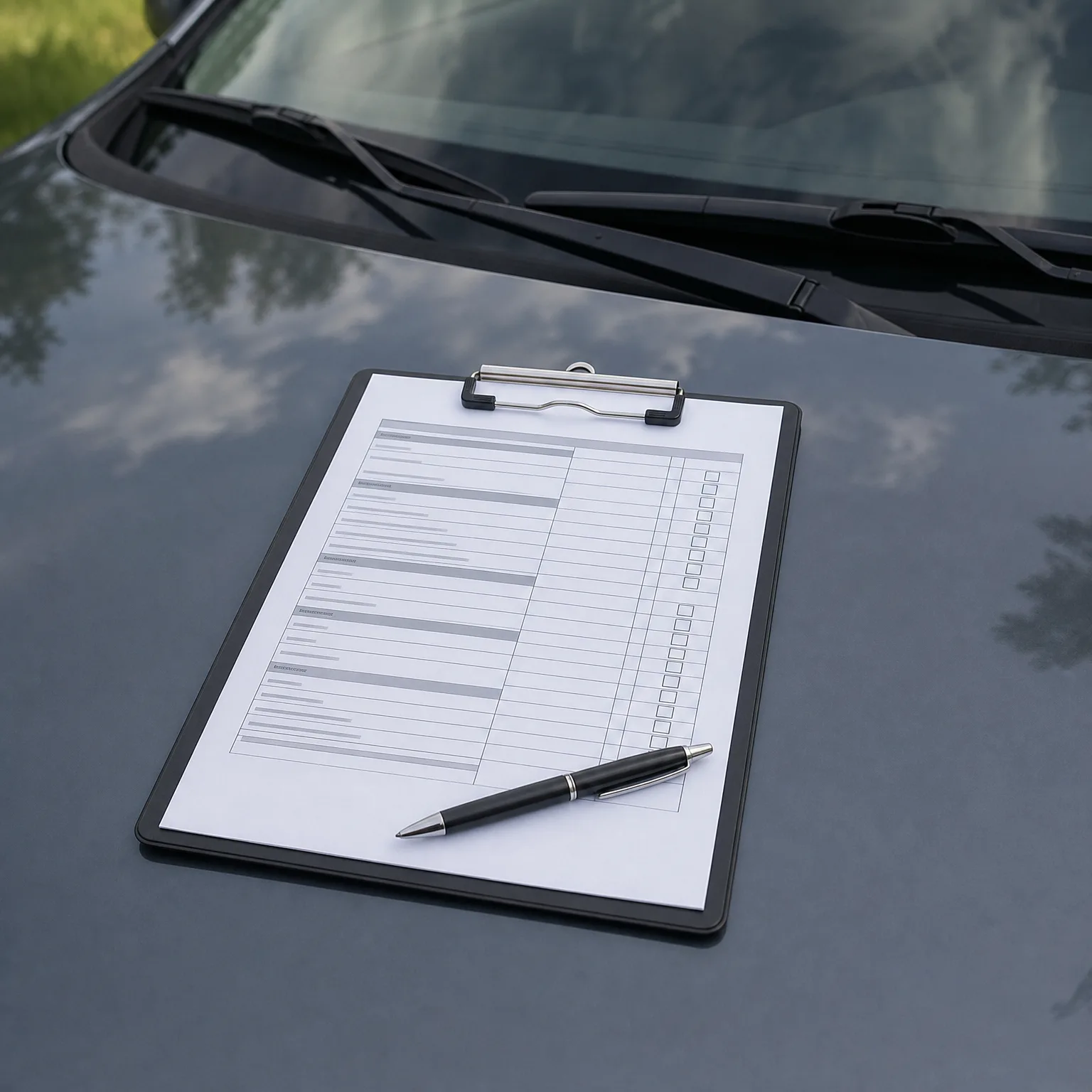
- Who else was involved If another person's car, body or property was touched, their insurer can still open a claim without you. Reporting your side early protects you from only hearing about it later.
- Size of the damage Minor cosmetic damage you're paying for yourself carries little risk either way. Anything involving injury, a disabled car or a damaged structure should be reported regardless of fault.
- Your policy's reporting rules Some policies require you to report any accident within a set time, regardless of who pays. Check your policy wording, because not reporting could affect coverage if a claim comes up later.
- Hidden damage risk Damage that looks small can turn out to be expensive once a shop opens the car up. If that happens after you've already settled privately, you have less protection than if you'd reported it.
- State and insurer differences Some states require police reports past a certain damage threshold, which can trigger an insurance record automatically. Check your state's rule so you're not caught off guard by a report you didn't file yourself.

Can my insurance drop me for not reporting an accident?
It's possible, but only if your policy requires reporting and the insurer finds out some other way, like through the other driver's claim or a police report. Most insurers don't penalize you for an accident you handled privately and never needed coverage for. Check your policy's reporting clause, since some are stricter than others. What changes the answer is whether the unreported accident later surfaces through a claim, a report, or a dispute, because that's when the missing report becomes a problem instead of a non-issue.
Does paying out of pocket for damage affect my insurance rate?
No, paying privately without filing a claim generally doesn't touch your rate, since your insurer never processed a payout. Rates are usually affected by claims, not by the accident itself. Check that you truly never filed, since a report alone sometimes doesn't count as a claim depending on your insurer. What changes this is if the other driver later files their own claim naming you, which can still affect you even though you paid directly.
What happens if I don't report an accident and the other driver sues me?
Your insurer can still defend you, but only if you eventually tell them, and late notice can complicate things. Insurers generally want to know about any accident with potential liability, even if you hoped to avoid a claim. Check your policy's notice requirements, since many ask for prompt reporting regardless of fault. What changes the answer is how much time has passed and whether your insurer treats the delay as reasonable or as a reason to question coverage.