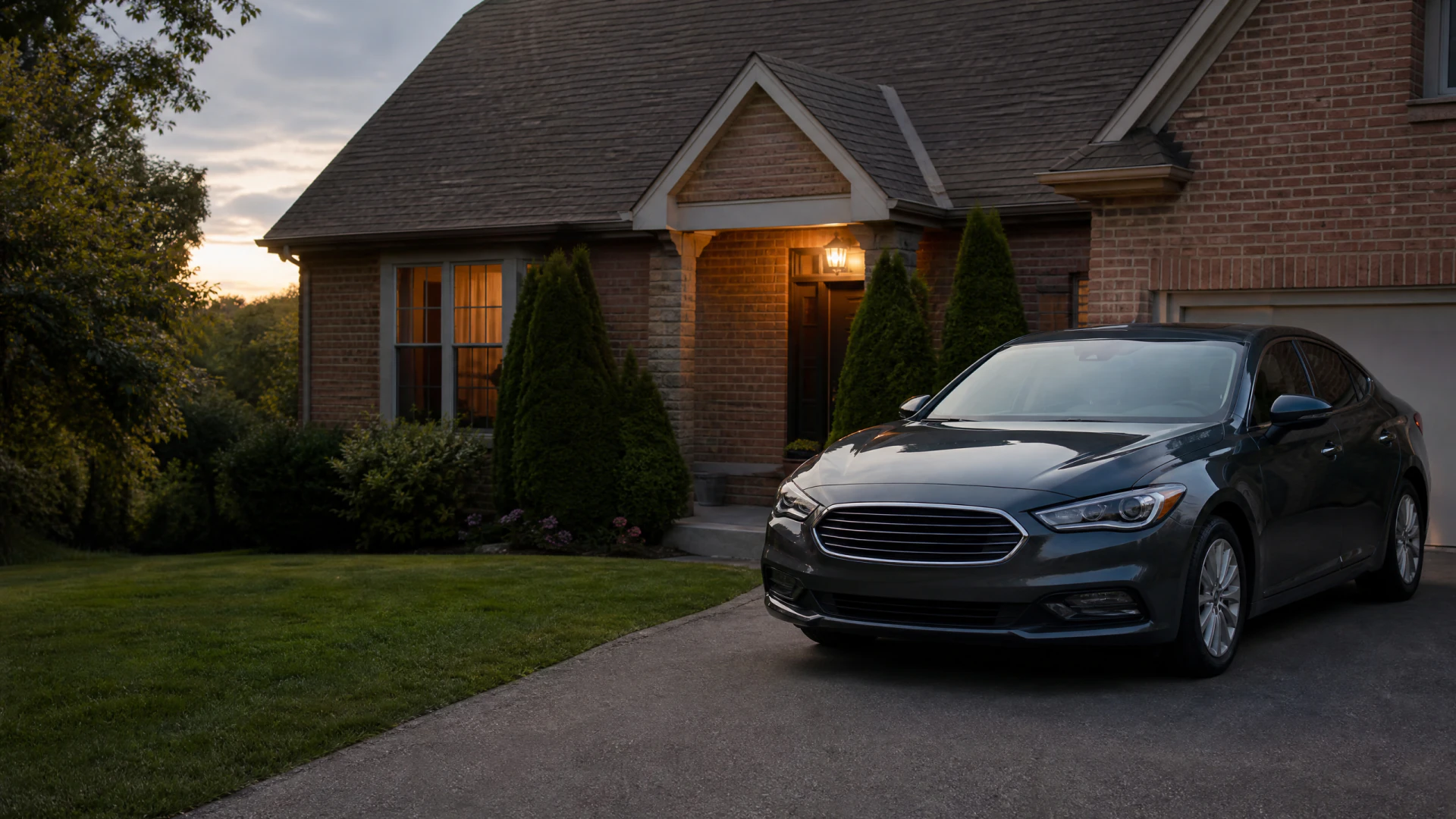
Is It Better to Cancel or Suspend Car Insurance
Suspend the policy on a car you're keeping but not driving, and cancel only the coverage on a car you're getting rid of for good.
What decides it is whether you're keeping the car
- Keeping the car, not driving it Ask your insurer about a suspension or a stored-car option instead of canceling. This keeps the title and registration connected to continuous coverage, so you're not starting over later.
- Selling or giving up the car Cancel the policy once the car is sold, transferred or the title is signed over. Keeping insurance on a car you no longer own just pays for nothing.
- Check your state's rules first Some states require minimum coverage to keep a car registered, even if it's parked. Call your state's motor vehicle office or your insurer to find out what applies to you before you suspend or cancel anything.
- Your spouse's name on the policy If the policy is in your late spouse's name, you'll likely need to retitle the car and update the policy before you can change anything. Ask the insurer what documents they need to make this transfer.
- Gaps hurt more than cost A lapse in coverage can raise your rates later, even on a different car. If you're unsure, ask the insurer to pause coverage rather than end it completely.
What happens to the policy if it's still in my spouse's name?
You'll need to update the policy before you can suspend or cancel it the way you want. Insurers won't usually let someone other than the policyholder make changes, so this has to happen first.
Most insurers ask for a death certificate and some proof of your relationship, like a marriage certificate or an estate document showing you're the executor. Once that's done, they can retitle the policy in your name or close it out properly.
This step matters because an active policy under your spouse's name can create confusion later, especially if a claim happens or you try to insure another car. Call the insurer directly and ask what they need. It's usually a short conversation, even though it may feel like one more hard thing to handle right now. Doing it clears the way for every other decision about the car.

Once you know whether to suspend or cancel, compare quotes to see what the right coverage will actually cost you.

Suspending coverage instead of canceling it
If you do
Your policy pauses instead of closing. The car stays registered and insured on paper, so you avoid a lapse that could raise future rates. When you're ready to sell or drive it again, you just reactivate coverage, often in a single call.
If you don't
If you cancel instead, the policy ends completely. You may need a new application later, possibly at a higher rate since the insurer no longer sees you as a continuously covered driver. You'll also need to handle the registration separately, since some states don't allow an uninsured car to stay registered.

When one car sits unused after a loss
A woman in her sixties lost her husband and realized his car hadn't moved in weeks. It was registered and insured in his name, and she didn't need two cars. She wasn't sure whether to cancel the policy right away or wait.
She called the insurer, explained the situation and asked about her options. They walked her through retitling the car into her name using the death certificate, then suggested suspending coverage instead of canceling since she planned to sell it once the estate was settled. A few months later, when a buyer came through, she called back and canceled the suspended policy the same day the car changed hands. Because she hadn't let the coverage lapse completely, her own policy on her daily car was never affected, and she avoided any questions about a gap in coverage when she eventually added a new car of her own.

A paused policy protects your coverage history. A canceled one starts you over.