Is It Better to Have Uninsured Coverage or Collision
They're not substitutes for each other, and if you're keeping the car, you likely need both.
One widow, one car, two coverages she almost dropped together
After her husband passed, a woman in her late sixties looked at the policy he'd managed for thirty years and saw a long list of coverages she didn't recognize. Uninsured motorist coverage was one of them. Collision was another. She assumed they were two ways of saying the same thing, and since money was tighter now, she called to drop one of them to save a little each month.
The agent asked her a few questions first. Did she still drive the car regularly? Yes, to the store and to see her daughter. Did she want the car repaired if she caused a crash herself? Yes, she couldn't afford to replace it. Did she want to be covered if someone without insurance hit her? Also yes, since that had almost happened to her neighbor the year before. Once she heard what each one actually did, she kept both and dropped something else instead, a towing add-on she never used. She ended up with less coverage overall, but nothing she actually needed was gone.
What happens if I only keep one and I'm wrong about which situation I'll face?
If you only carry collision and an uninsured driver hits you, collision still pays to fix your car, so you're not left without a repair. What you lose is the part of uninsured motorist coverage that pays for injuries, yours or your passengers', which collision never covers at all.
If you only carry uninsured motorist coverage and you cause the crash yourself, or hit a tree, or a deer runs into you, nothing pays to fix your car. That gap is usually the bigger risk, since at-fault accidents and single-car accidents happen more often than crashes caused by uninsured drivers. Dropping collision to keep only uninsured coverage tends to leave the wider hole.

Keeping both coverages versus dropping one to save money
If you do
You're protected whether the crash is your fault, nobody's fault, or caused by a driver with no insurance. Your car gets repaired and your medical costs are covered either way. You stop having to guess which situation you'll actually face before it happens.
If you don't
You're betting on which kind of accident you'll have. Guess wrong and you could be paying out of pocket for a repair, or carrying injury costs with no coverage to help, right when you can least afford either one.
Now that you know what each coverage actually protects, compare quotes that keep both in place for this car.
Why these coverages don't overlap the way they sound like they should
Uninsured motorist coverage exists for one specific situation, a driver with no insurance or not enough of it causes your accident. It mainly pays for injuries, yours and your passengers', and in some states it extends to your car too, though that varies by state and policy, so check how yours is written. It has nothing to do with accidents you cause yourself.
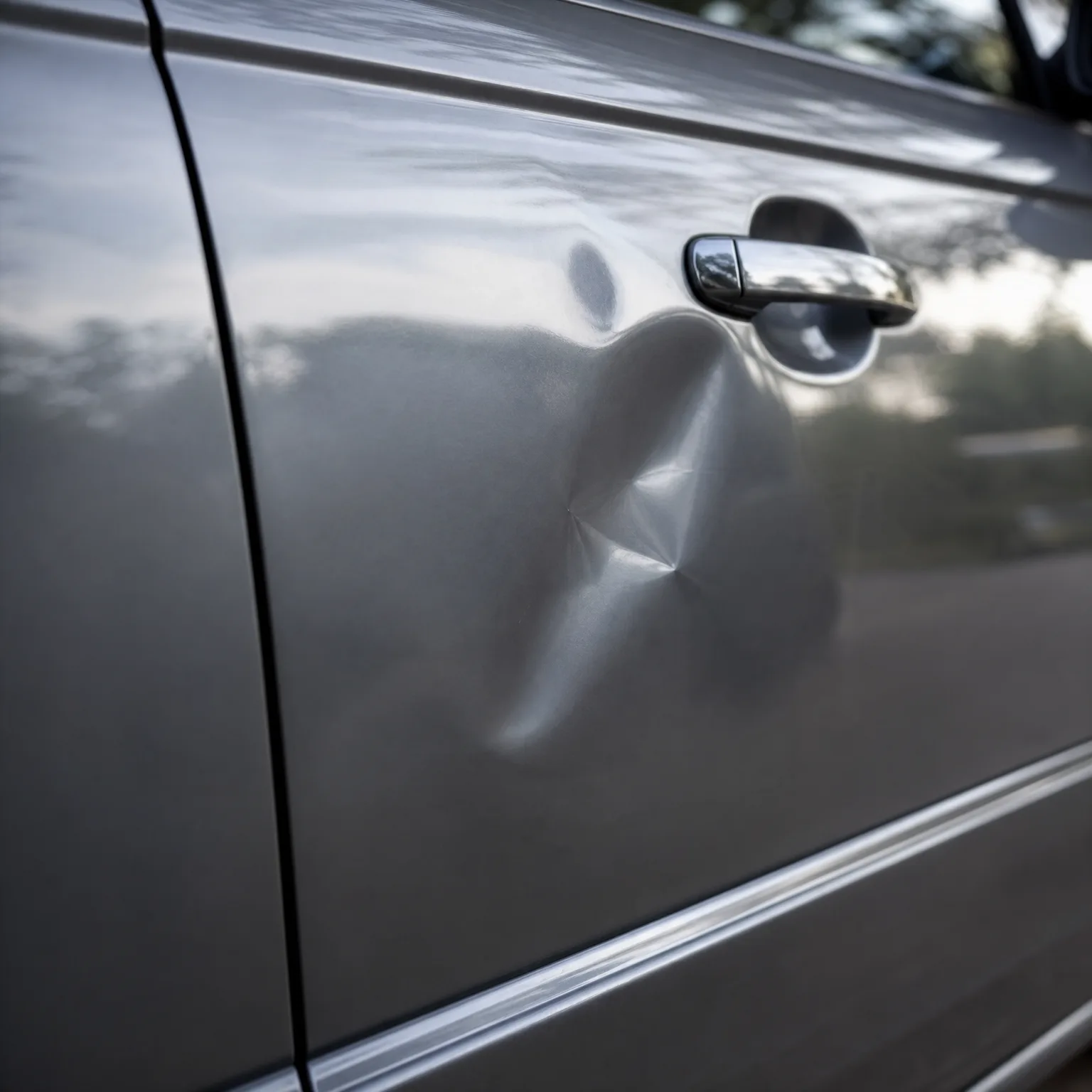
Collision exists for a different situation entirely, your car gets damaged in a crash, no matter whose fault it was. You back into a pole, you hit another car, another car hits you. Collision pays to repair or replace your car regardless of fault, which is why it covers far more of the accidents that actually happen day to day.
The reason both matter is that most accidents aren't caused by an uninsured driver. They're caused by you, by weather, by someone making a bad turn with perfectly good insurance. Uninsured motorist coverage handles a narrower, less common case well, but it won't help you in any of those other moments. Collision is the broader coverage for damage to your own car.
Where people get this wrong is assuming one is just a smaller version of the other. They're not. They answer different questions, who caused it and whether the other driver had insurance, and dropping one to keep the other usually means trading a wide gap in coverage for a narrow one. If cost is the issue, raising a deductible or adjusting other parts of the policy is usually a better place to look than removing either of these two.

Do I need collision if my car is older and not worth much?
Not necessarily, and this is the one case where dropping it can make sense. If repairing the car would cost close to or more than what it's worth, collision may not pay out enough to justify the cost of carrying it. Check what your car is actually worth now, not what you paid for it, and ask what a typical payout would look like. If the car is still reliable and replacing it would be a real expense, keeping collision usually still makes sense.
Does uninsured motorist coverage cost much on top of everything else?
It's usually one of the smaller pieces of the policy, not the main driver of the total cost. It tends to add far less than collision does, since it only applies to a narrower set of accidents. If cost is tight right now, this is rarely the coverage worth cutting first. A better place to look is often the deductible on collision, which can lower the ongoing cost without removing protection you still need.
Should I drop coverage on a car nobody drives anymore?
If the car is sitting unused, you may be able to reduce coverage without dropping it entirely, depending on your state and insurer, so check what's allowed before deciding. Some policies let you keep a minimal, parked-car level of coverage that costs much less than full coverage. Fully canceling can create a gap if you ever insure the car again later. What changes the answer is whether you plan to sell it, keep it for someone else to drive, or start driving it again yourself.