Is It Worth Fixing Dents Before Selling a Car
Usually not, unless the dent is large, on a visible panel, or making the car look neglected to a buyer.
Small cosmetic damage rarely returns what you spend fixing it
Most buyers mentally discount a used car a small, fixed amount for cosmetic flaws, regardless of what it would actually cost to repair them. A body shop estimate almost always runs higher than that mental discount, because shops charge for paint matching, labor and materials you don't need to fully restore when you're just trying to sell.
The math changes when the dent is big enough to make a buyer question the car's history, or when it sits somewhere impossible to ignore, like a hood or door. In those cases the dent isn't read as cosmetic anymore. It reads as a sign the car was in an accident, and that suspicion costs you more than the dent itself would.
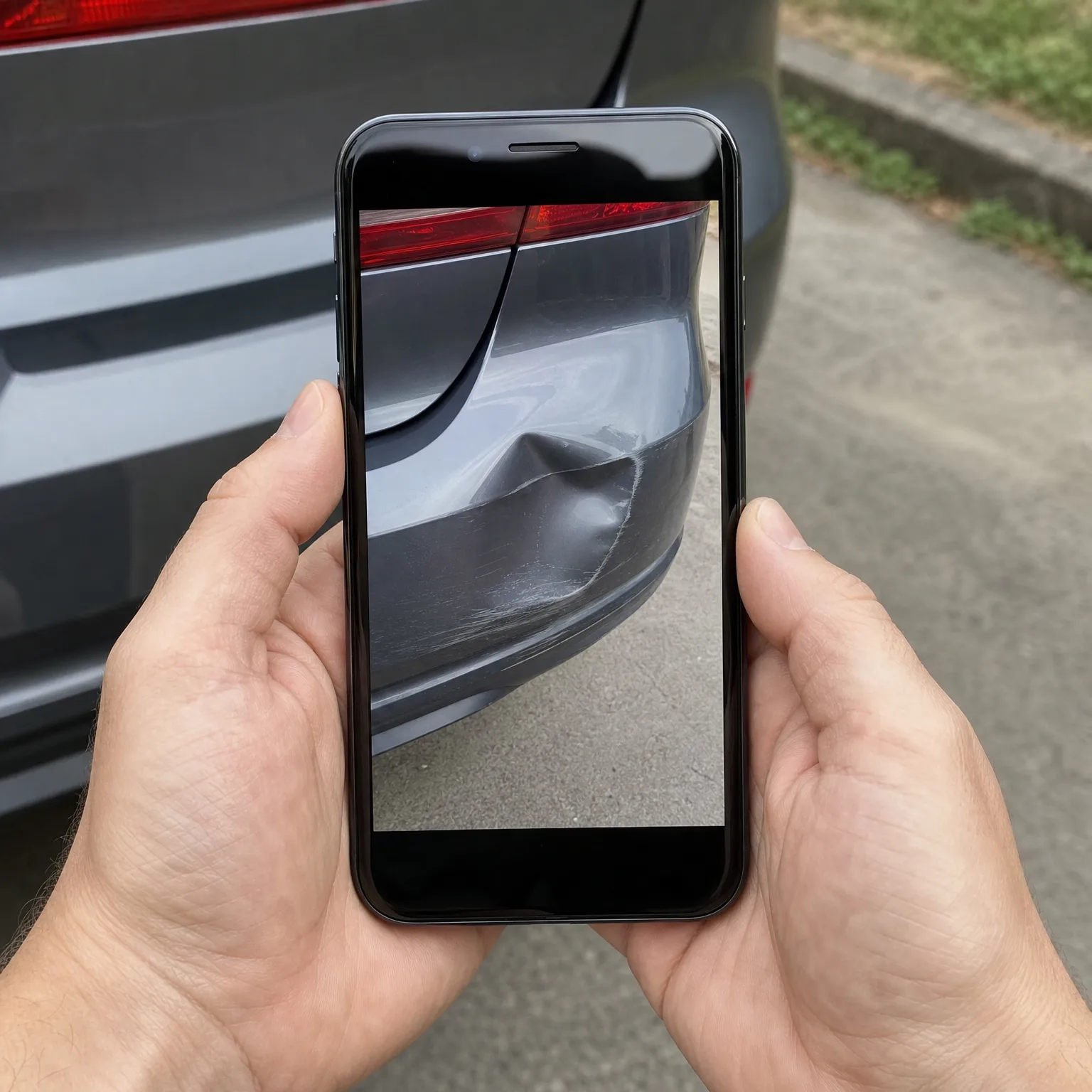
Paintless dent repair is the exception worth considering, when the dent is shallow and the paint isn't broken. It costs a fraction of traditional bodywork and can make a real difference in how the car presents, especially on a panel buyers look at closely like a front door or fender.
If you're selling to a dealer or trading in rather than selling to a private buyer, skip repairs almost entirely. Dealers price by condition tiers and inspection, not by eyeballing individual dents, so cosmetic fixes rarely move you into a better tier.
What if there are several small dents instead of one big one?
Multiple small dents add up differently than one dent does. A single flaw reads as an accident or a parking lot mishap. Several scattered dents read as a car that wasn't cared for, and that impression affects how a buyer judges everything else, including things you haven't disclosed yet like maintenance history.
In that case it's less about any individual dent and more about the overall impression. A cheap, fast fix like paintless dent repair across a few spots can be worth it if it changes the car from looking neglected to looking kept up. Get a mobile paintless dent repair quote before deciding. It's often inexpensive enough that even a modest bump in perceived condition covers the cost.

Deciding whether to repair a dent before listing the car
If you do
You spend money and time now, but the car shows better in photos and in person. Buyers negotiate less over condition, and you avoid the back and forth where they point at the dent to justify a lower offer.
If you don't
You save the repair cost and list the car sooner, but expect buyers to point at the dent and negotiate. You'll likely absorb roughly what the repair would've cost anyway, just as a lower sale price instead of an upfront expense.
Once you've decided what to fix, compare quotes to make sure your coverage matches the car you're actually selling.
What actually decides whether a dent repair pays off
- Size and visibility A small dent on a rear quarter panel matters less than one on a hood or door. Judge it the way a buyer walking around the car would.
- Paint condition If the paint isn't broken, paintless dent repair is usually cheap and effective. If paint is cracked or chipped, repair costs jump and the math shifts.
- Who you're selling to Private buyers notice and negotiate over dents. Dealers and trade-ins price by broader condition tiers, so cosmetic fixes matter less there.
- Number of dents One dent reads as incidental. Several dents read as neglect, and that overall impression can be worth fixing even if each dent alone wouldn't be.
- Cost versus discount Get a repair estimate and compare it to what you think a buyer would actually knock off the price. Only fix it if the estimate comes in lower.
A door dent on a car headed to a private sale
A seller had a coin-sized dent on the driver's door from a shopping cart, paint intact, no chipping. They got a mobile paintless dent repair quote, which came in low because the paint wasn't damaged and the dent was shallow. They compared that cost to what they guessed a buyer would discount for a visible dent on the door, a panel buyers always look at closely during a walk-around.
The repair cost came in well under the expected discount, so they went ahead with it. The car sold within a week to a private buyer who commented that the car looked well kept. The seller didn't get asked about the dent at all, because there was nothing left to ask about. Had the same dent been on the rear bumper instead, they likely would have skipped the repair, since buyers tend to overlook flaws in less prominent spots.