Is It Worth Having Comprehensive Insurance on an Old Car
It's worth it only if your car is worth more than roughly ten times the annual premium, so check that math before you decide anything.
The math is about value versus cost, not sentiment
Comprehensive insurance pays out based on what your car is worth right now, not what you paid for it or what it means to you. An insurer will total the car and pay its current market value if something happens, whether that's theft, fire, flood or a tree branch. So the real question isn't whether the car is old. It's whether what the insurer would pay you is worth more than what you're paying to keep that promise active.
This is why the decision point isn't really about your spouse's car or your car specifically. It's about any car whose value has dropped enough that the coverage costs a meaningful chunk of what you'd actually receive. A car worth very little might still get totaled by the same kind of accident as a brand new one, but the payout won't reflect sentimental value or what it would cost to replace it with something similar.
Where this varies is in how your lender or lease, if either still applies, affects your choices. If there's a loan or lease on the car, the contract usually requires comprehensive and collision coverage regardless of the car's age, so you may not have a choice until that loan is paid off. Check your loan documents or call the lender directly if you're unsure whether this applies to you.
The other variable is your own financial cushion. If you could replace the car yourself without strain, dropping comprehensive mostly saves you money with a known, bounded risk. If replacing it would be a hardship, the coverage still serves its purpose even on an older car, because what matters is your ability to absorb the loss, not the car's price tag.
What to check before you drop or keep the coverage
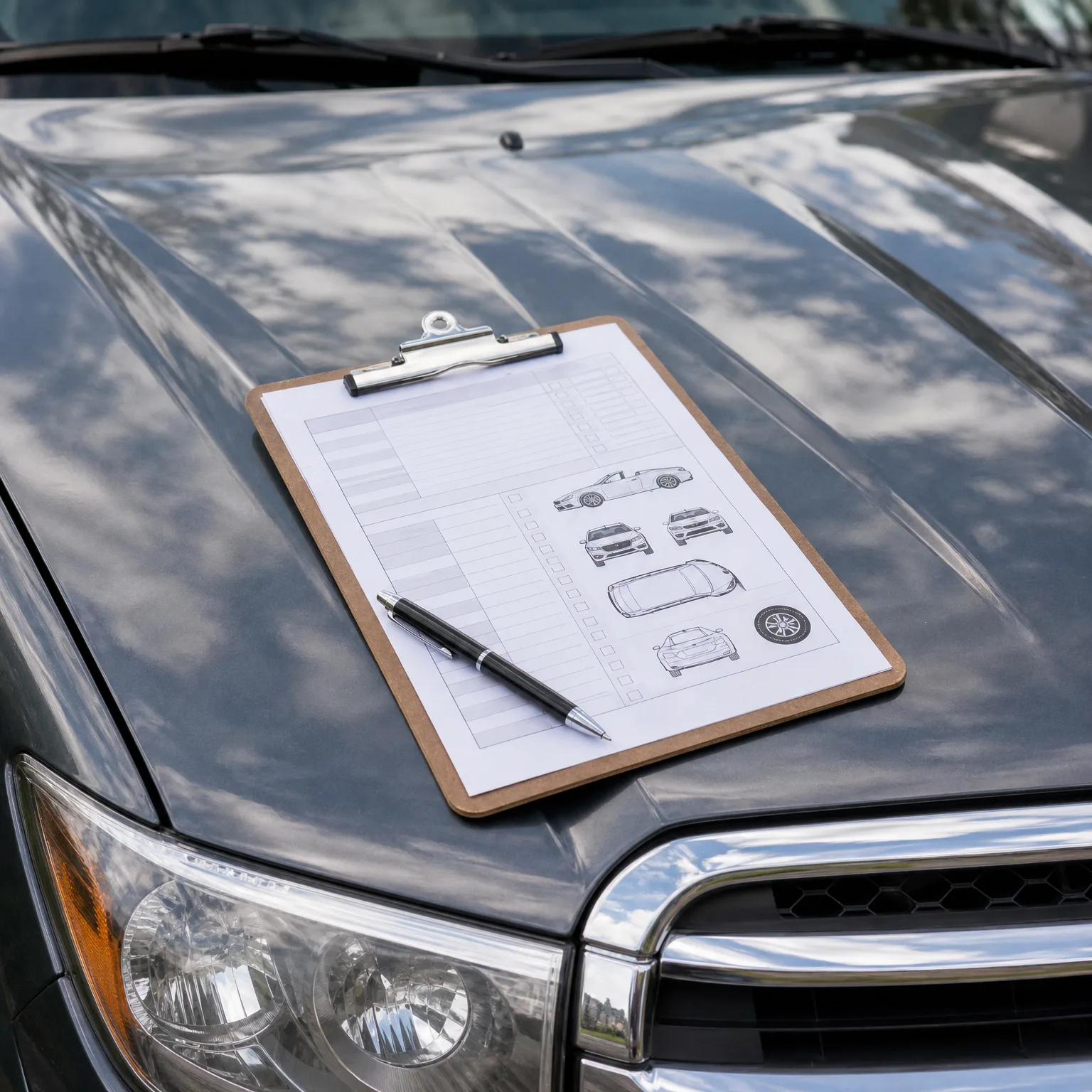
- Find the car's actual value Look up what similar cars are selling for in your area right now. That number, not what you remember paying, is what the insurer would pay you.
- Compare value to the premium Add up what you'd pay for comprehensive over a year. If the car's value is close to or less than that cost, the coverage is doing little for you financially.
- Check for a loan or lease If the car is financed or leased, the lender likely requires this coverage no matter the car's age. Confirm with your loan paperwork before changing anything.
- Plan for a total loss If you'd be fine replacing the car out of pocket, dropping the coverage is a reasonable trade. If not, keeping it protects you from a cost you can't easily absorb.
- Handle the unused car separately A car that isn't driven still faces risks like theft or weather damage while parked. Weigh that against storing it, insuring it minimally, or selling it.

Dropping comprehensive on the old car
If you do
You stop paying for coverage on a car that may not be worth much. If it's stolen, flooded, or damaged by something other than a collision, you cover the full replacement cost yourself. For a low value car this is often a manageable risk, especially if you have savings set aside.
If you don't
You keep paying a premium that may be close to the car's own value. If something happens, you get a payout, though it may be smaller than you expect since it reflects current value, not sentimental worth or replacement cost for something similar.
Once you know what the car is worth, compare quotes with and without comprehensive to see the real difference it makes.

Should I keep collision coverage even if I drop comprehensive?
Not necessarily, and the same math applies. Collision pays out for accidents involving another car or object, and like comprehensive, the payout is based on the car's current value, not what you paid for it.
If your car's value is low enough that comprehensive isn't worth the cost, collision usually isn't either, since they're priced and valued the same way. Most people drop both together once a car crosses that value threshold, rather than keeping one and not the other.
The one difference worth checking is your own driving situation. If you drive frequently in heavy traffic or in an area with a lot of accidents, the odds of needing collision coverage are higher than the odds of a comprehensive claim like theft or weather damage. That might tip your decision, even on an older car, so weigh your actual driving conditions before dropping both at once.

The car's age matters far less than what it's actually worth today compared to what the coverage costs.