Is It Worth It to Have Full Coverage on an Older Car
It's worth it only if the car's value still exceeds what full coverage would cost you over a year or two, otherwise it's not.
Full coverage pays you back only up to the car's value
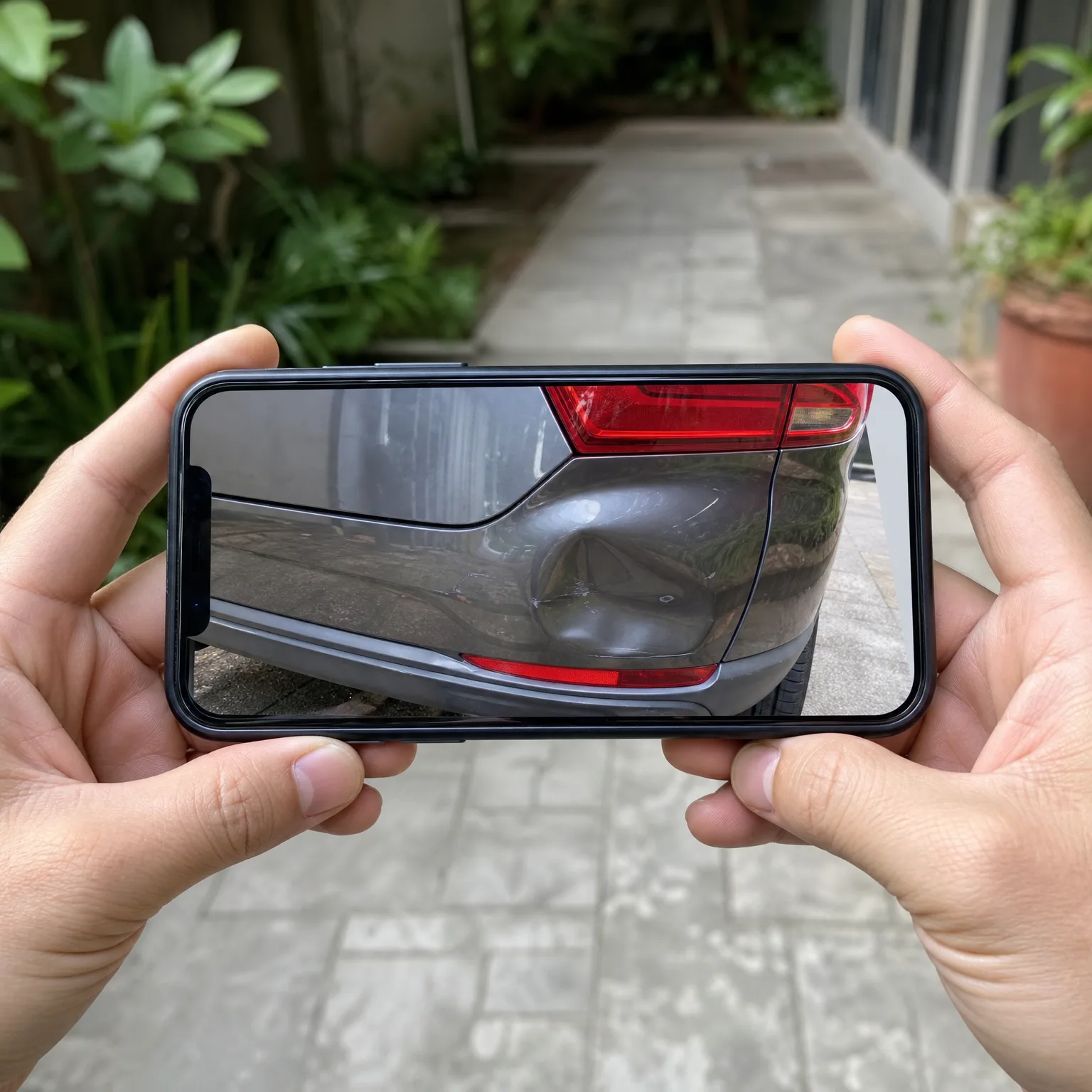
Full coverage is really two things bundled together. Liability pays for damage you cause to others, and that's required almost everywhere. Collision and comprehensive, the parts people mean when they say full coverage, pay to repair or replace your own car. An insurer will never pay more for your car than what it's currently worth, no matter how much you're paying in premiums or how new the car once felt to you.
That's the whole calculation. If your car is worth very little now, the most you could ever collect from a claim is small, but you're still paying for that coverage every single month. At some point the math flips, and you're spending more to carry the coverage than you could ever recover from it.
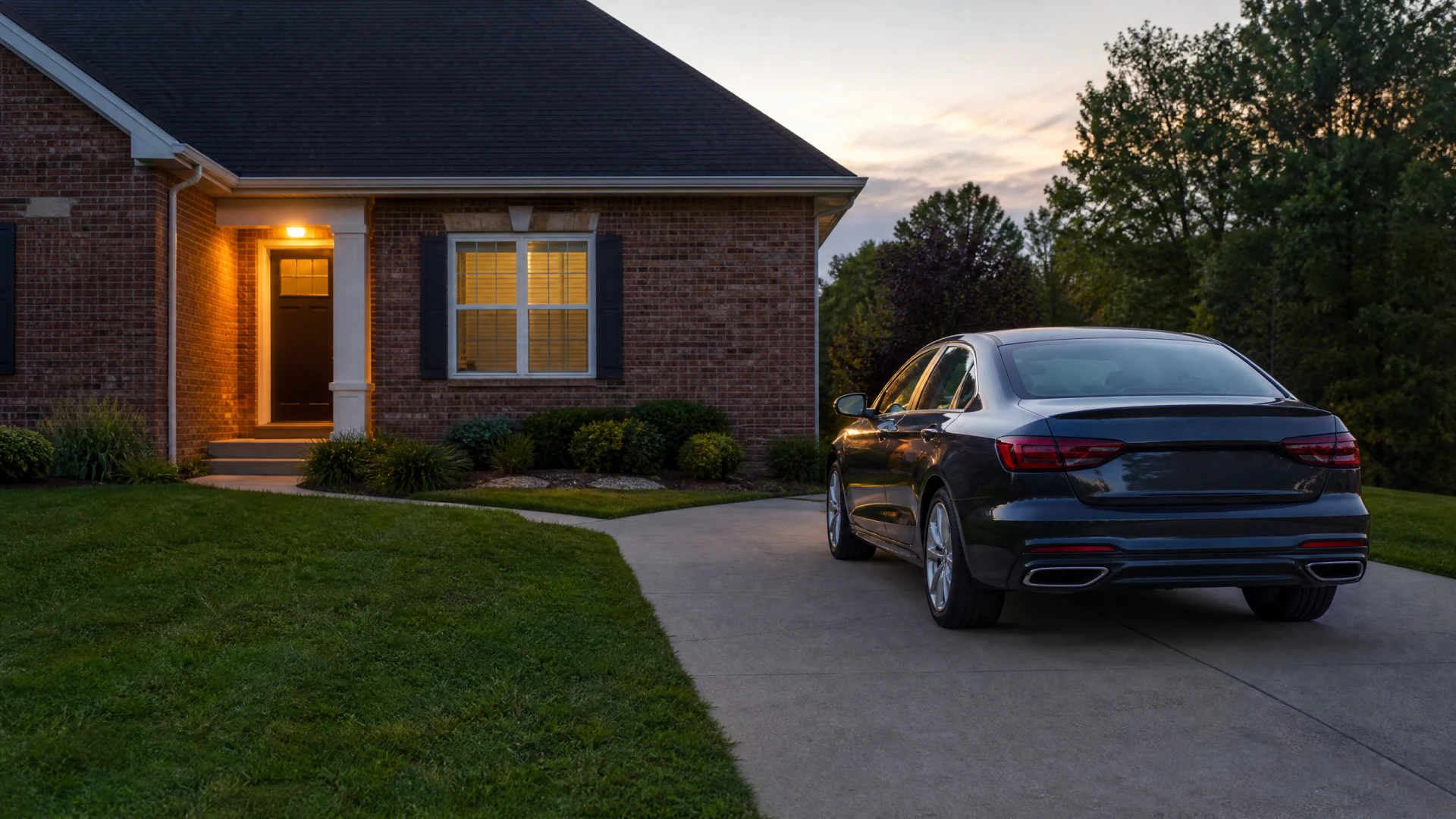
Where this gets specific to your situation is that you may be looking at a car nobody drives anymore, maybe your spouse's car. If it's sitting unused, the question isn't just whether full coverage is worth it, it's whether any coverage beyond the state minimum makes sense, or whether the car should be insured at all right now. That's a different decision from the one you'd make about a car you drive daily.
The exception is if you couldn't afford to replace the car out of pocket if it were totaled or stolen. If losing the car entirely would be a real financial problem for you, that changes the math even on an older car, because full coverage is also buying you protection against a sudden gap you'd otherwise have to fill yourself.
What to check before you decide
- Find the car's actual value Look up what the car would sell for today, not what you paid or what it's worth to you. This number is the ceiling on any payout, so it drives the whole decision.
- Add up a year of premiums Ask your insurer or agent what collision and comprehensive cost separately from liability. Compare that yearly cost against the car's value to see how many years of coverage it would take to equal a full payout.
- Check your deductible Your deductible gets subtracted from any payout, so a high deductible on a low-value car can make a claim barely worth filing. Make sure the deductible still makes sense given what the car is worth.
- See if it's still driven A car sitting unused has different needs than one you rely on. If nobody is driving it, ask whether it should be insured for driving at all or just stored and protected differently.
- Untangle the spouse's policy If the policy, title or car is in your spouse's name, you'll likely need to retitle or update the policy before you can make real changes. Call the insurer and ask what they need from you to do this.
What happens if I drop full coverage and then need to replace the car?
If you drop collision and comprehensive and the car is later stolen or totaled, you get nothing from your insurer toward a replacement. You'd be paying for a new or different car entirely out of your own pocket, on whatever timeline that requires.
This is really the tradeoff you're weighing, not a technicality. For a low-value car, many people decide that risk is acceptable because the potential payout was already small. But if replacing the car quickly matters to you, for practical reasons or because you're not ready to make that decision right now, keeping some coverage buys you time and options rather than forcing a decision during a moment you didn't choose.
Once you know the car's value and what coverage costs, compare quotes to see what actually fits your situation now.

Keeping full coverage on a car you're not sure about
If you do
You stay protected if the car is stolen, totaled or damaged, and you avoid having to make any decision right now while you're dealing with everything else. The tradeoff is you keep paying premiums for a car that may be worth very little or sitting unused in the driveway.
If you don't
You stop paying for coverage that may not be worth its cost anymore, and your monthly expenses drop. If something happens to the car, though, you're on your own for repairs or replacement, and you'll want to be sure that's a risk you can actually absorb.
Can I remove my spouse from the car insurance policy after they pass away?
Yes, but you'll need to contact the insurer directly rather than changing it online, since they'll likely ask for documentation. The process and what's required varies by insurer, so call and ask what they need, and ask at the same time whether the title needs updating too, since that can affect the policy.
Should I cancel insurance on a car we no longer drive?
Not necessarily, because driving it uninsured even once creates risk, and leaving it completely uninsured can expose you if it's stolen, damaged or causes an issue while parked. Ask your insurer about a reduced policy for stored or rarely driven vehicles, which usually costs less than full coverage while still protecting you.
How do I find out what my car is actually worth before deciding on coverage?
Look up recent sale prices for the same make, model, year and condition in your area, using listings or valuation tools, rather than relying on what you paid originally. Mileage and condition matter a lot, so be honest about wear. This number is what you'll compare against your premium cost to make the decision.