Is It Worth It to Keep Full Coverage Insurance
Full coverage is worth it if losing the car would hurt more than the premium does, and not worth it if the car isn't worth much anymore.
What actually decides this, point by point
- The car's real value Look up what the car would sell for today, not what it cost. If that number is low, full coverage may be paying to protect very little.
- Who's driving it now A car that sits unused still needs some coverage, but not necessarily the same policy. Decide if it should be insured to drive or just to store.
- What you can absorb financially If replacing the car yourself would be a real hardship, full coverage protects you from that. If you could cover it without much strain, the math changes.
- Any loan or lease still on it If the car is financed, the lender likely requires full coverage regardless of your preference. Check the loan paperwork before you change anything.
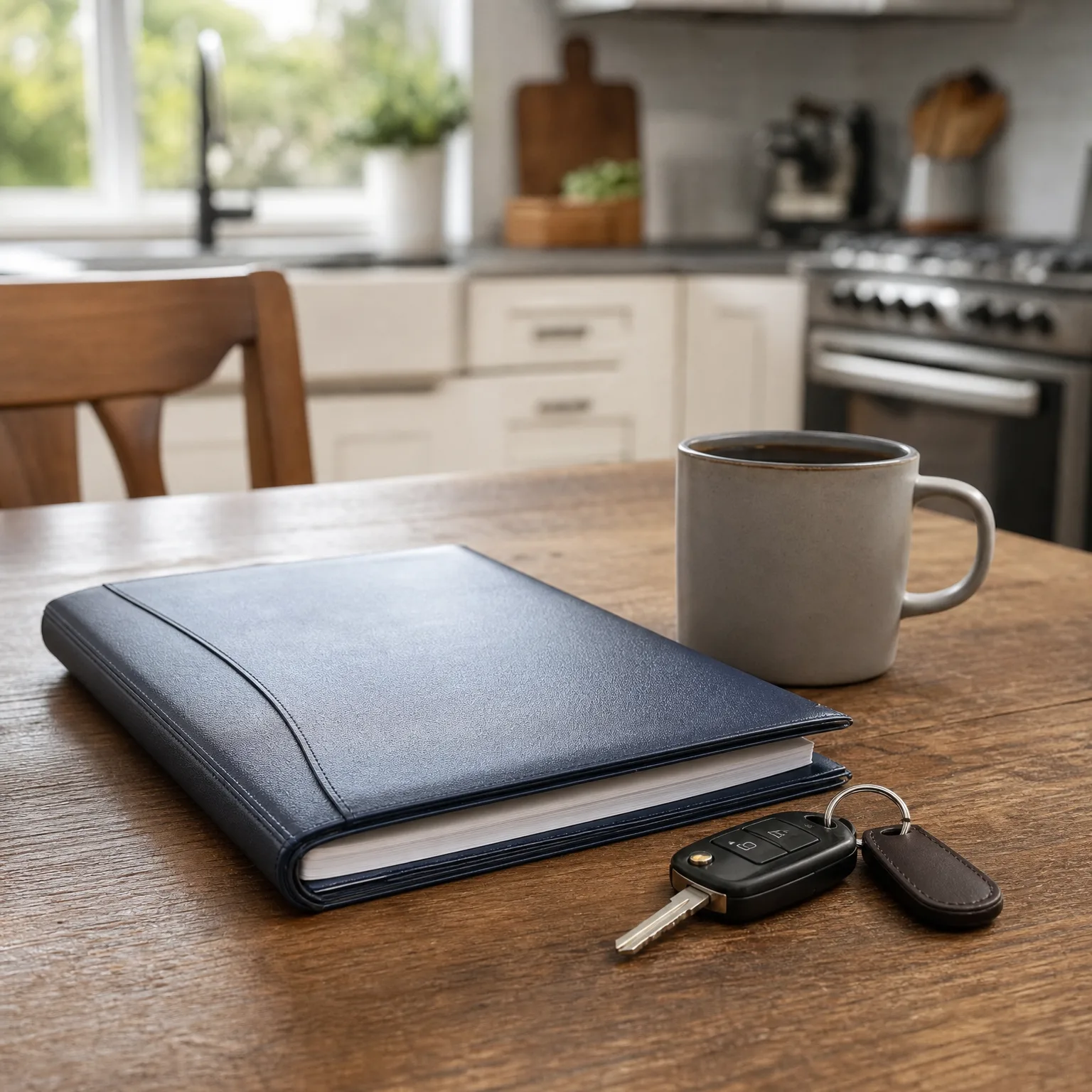
- The policy as it stands now Your spouse may have set this up years ago under different circumstances. Review it fresh instead of assuming it still fits your situation.
Should I drop full coverage on the car nobody drives anymore?
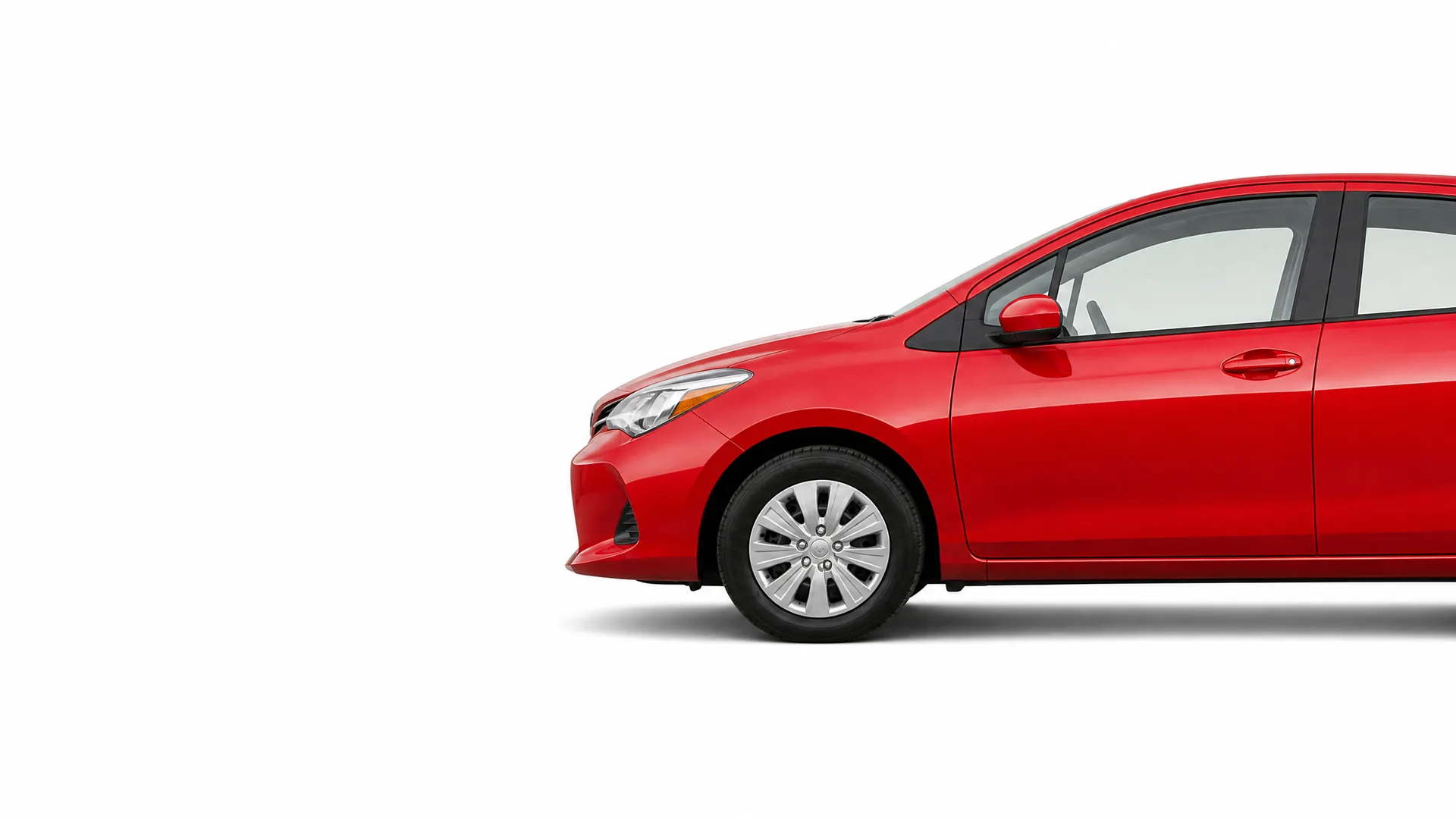
It depends on whether the car is paid off and what it's worth. If there's no loan and the car has lost most of its value, dropping full coverage and keeping only the minimum required coverage often makes sense, since you'd be paying to protect an amount you likely wouldn't get back anyway.
But consider what the car means to your situation. If it will be sold soon, ask whether a short gap in full coverage matters for that sale. If it will be given to a family member or kept for occasional use, think about who's driving it and how often, since that affects which coverage actually applies. And if there's still a loan on it, the lender probably requires full coverage until it's paid off, so check that first before deciding anything.
This isn't about what your spouse set up, it's about what the car is worth to you now.
Once you know whether this car is worth full coverage, compare quotes to see what adjusting it actually costs.

Keeping full coverage vs letting it go
If you do
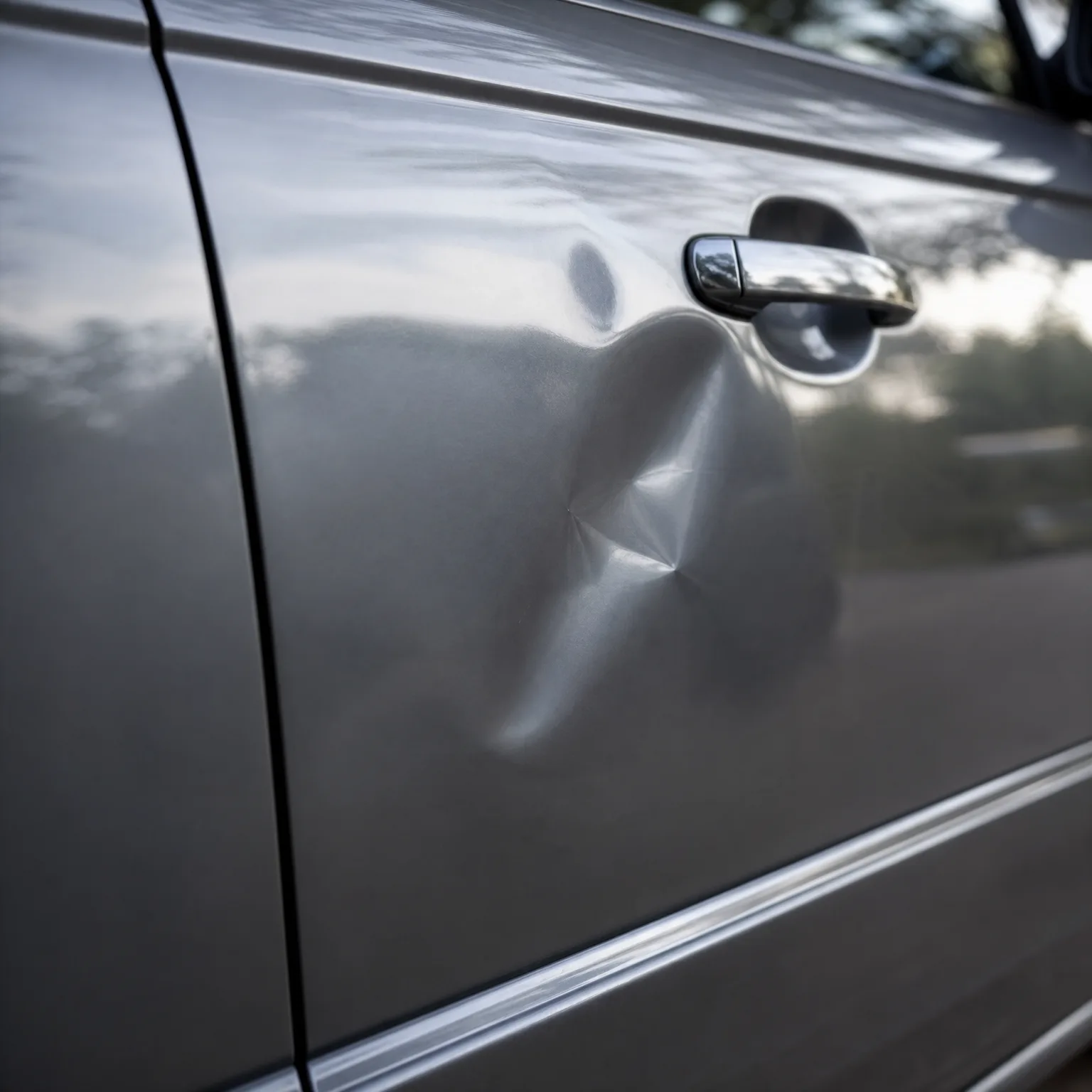
You stay protected if the car is stolen, totaled, or damaged by something other than a crash, like weather or fire. For a car with real value, this keeps you from paying out of pocket to replace it. The tradeoff is a higher premium for coverage you may rarely use.
If you don't
You'll pay less each month, but you take on the full risk of loss. If the car is stolen or wrecked, you get nothing back, only what liability coverage provides to others. This works out fine if the car isn't worth much, but can hurt if something happens and you needed it replaced.
A second car with no loan and no driver
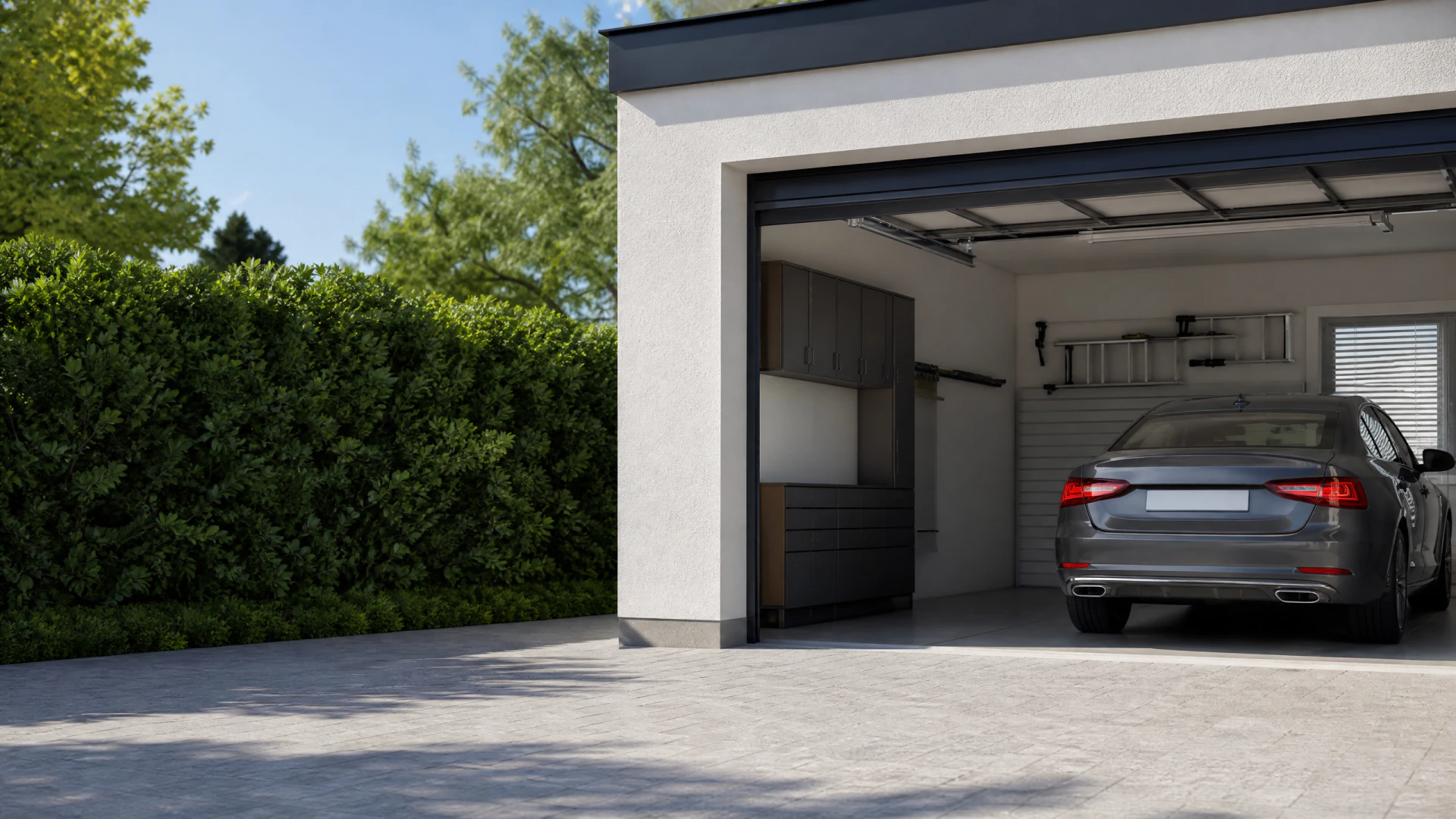
A woman in her sixties lost her husband and found herself with two cars, hers and his. His car was paid off, older, and nobody in the family was using it regularly. The full coverage on it was still active because the policy had never been touched since he passed. She didn't know if she should keep paying for it, sell it, or just let the insurance lapse.
She started by finding out what the car was actually worth, which turned out to be modest. She also checked whether anyone in the family might want it within the next few months. Since the answer was no and the car's value was low, she dropped full coverage and kept only the minimum coverage required to legally keep it registered, while she decided whether to sell it. That cut her cost on that car substantially without leaving her exposed to a loss she couldn't absorb. A few months later she sold the car, and because she'd kept the minimum coverage active the whole time, there was no lapse to explain or fix before the sale went through.