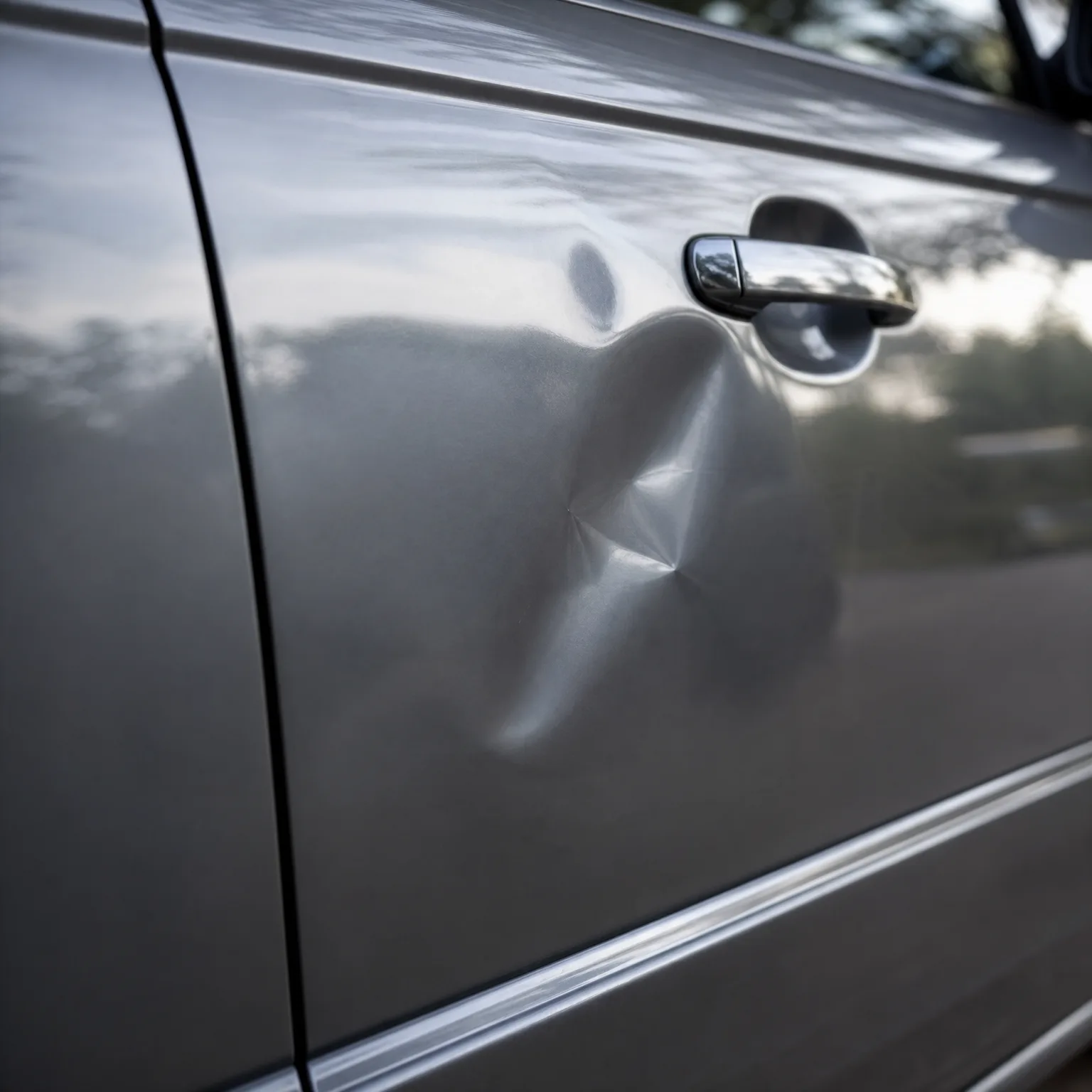
Is It Worth Keeping Collision Coverage
Keep collision coverage if losing the car would cost more than the coverage does, drop it if the car no longer justifies that cost.

What decides if collision coverage still makes sense
- The car's actual value Look up what the car is worth today, not what you paid. If it's worth little, collision coverage may cost more over time than the payout you'd get.
- Whether you could replace it Think about what you'd do if the car were totaled tomorrow. If you couldn't easily cover a replacement in cash, keeping the coverage protects you.
- Who actually drives it A car that sits unused still needs some coverage, but collision may not be the part worth paying for. Consider what each driver or each car truly needs.
- What the loan requires If there's still a loan on the car, the lender likely requires collision coverage until it's paid off. Check the loan papers before changing anything.
- How the policy is bundled Your spouse may have bundled this car with others or with a life policy. Ask the insurer to explain the full policy before dropping any one piece.

The short version
Keep collision coverage if you couldn't afford to replace the car yourself, and drop it if the car is worth little and you could cover a loss without it. Check the car's value and any loan requirement first. Then call the insurer to ask what changes, if any, make sense for your situation.
A second car that nobody drives anymore
After her husband passed, Carol found two cars on the policy. Hers, which she drove daily, and his older sedan, which had sat in the driveway for months. She wasn't sure if she needed to keep paying for coverage on a car nobody used.
She called the insurer and asked what the sedan was worth and what her options were. It turned out the car's value was low enough that collision coverage cost more over a year than the car would likely pay out if it were damaged. There was no loan left on it either. She dropped collision on the sedan but kept liability coverage in case she decided to sell it or let a family member drive it occasionally. Her own car, which she relied on daily and couldn't easily replace, kept its full coverage. The change lowered her monthly cost without leaving her exposed where it mattered.
Once you know which car needs full coverage and which doesn't, compare quotes to see what that decision actually costs.
Why this isn't a yes or no answer for everyone
Collision coverage exists to pay for damage to your own car, regardless of who caused the accident. Its value depends entirely on what the car is worth and what losing it would mean for you. A car worth very little costs the same to insure as one worth much more, so the coverage can end up costing more than it would ever pay out.
This is why the math changes as a car ages. Early on, collision coverage usually makes sense because the car has real value and replacing it would be expensive. As the car gets older and its value drops, there's a point where paying for that coverage stops making financial sense, even though the car still runs fine.
Loans complicate this. If a car still has a loan against it, the lender almost always requires collision and comprehensive coverage until the loan is paid off, regardless of the car's age or value. That requirement doesn't disappear just because the car isn't driven much anymore, so it's worth checking the loan terms before assuming you have a choice.
There are also cases where a car sits unused but still needs some insurance. If it's titled, parked on the street, or could be driven occasionally, liability coverage is usually still required by law. The decision isn't about all or nothing. It's about figuring out which parts of the coverage still match how the car is actually used.
The real question isn't what your spouse decided before, it's what this car is worth to you now.