Is Setting Up Autopay for Car Insurance a Good Idea
Yes, autopay is a good idea for your policy right now, as long as you check the account and card it's pulling from first.
It prevents coverage from lapsing without anyone deciding that
Car insurance autopay exists to prevent a single, specific problem. A payment gets missed, not because anyone decided to cancel coverage, but because a bill arrived at a bad time and got set aside. The policy lapses, and that lapse can follow you into future rates even after you fix it. Autopay removes that risk by taking the decision out of the picture entirely.
Right now, that risk is higher than usual for you. Bills that used to go to a joint account or get paid by your spouse may now be landing only with you, mixed in with paperwork you're still sorting through. Autopay means the insurance piece stays handled while you deal with everything else at your own pace.
The tradeoff is that autopay works best when the underlying policy is already right. If the policy is still billing an account that's being closed, or charging a card that's about to change, autopay can fail at the exact moment you need it most. It also doesn't tell you when your coverage no longer fits your situation, like a car that's sitting unused. You still have to check the policy itself from time to time.
Where this varies is in how insurers handle a failed autopay payment. Some give you a grace period and a backup attempt before anything lapses, others move faster. Check your insurer's specific policy on missed autopay payments so you know what the real safety margin is.
What happens if autopay fails and I don't notice right away?
Most insurers don't cancel a policy the moment one autopay attempt fails. You typically get a notice and a short window to fix the payment method before coverage actually lapses. But the exact length of that window, and whether you get one warning or several, depends on the insurer, so it's worth checking directly rather than assuming.
The real risk isn't the failed payment itself, it's not seeing the notice. If your email or mailing address on file is outdated, or if notices were going to an address your spouse set up, you could miss the warning entirely. Confirming your contact information is current matters as much as setting up autopay in the first place.

With autopay set up on an account you trust, compare quotes to see whether you're still paying for coverage that fits.

Whether to put the policy on autopay now
If you do
Your premium is pulled automatically each period, and you stop having to remember a due date while you're already tracking other paperwork. If the card or account on file is accurate and stays open, this is the lowest-effort way to guarantee coverage never lapses from a missed payment.
If you don't
You stay in control of each payment, which helps if you're still deciding whether to keep a second car insured or expect the account structure to change soon. But you take on the job of remembering every due date yourself, at a time when that's easy to let slip.

What to check before you turn autopay on
- Whose account it pulls from If the policy still lists a joint or spouse's account, update it to one that's solely yours and staying open. Autopay is only reliable if the funding source is stable.
- Who's listed on the policy If your spouse was the primary policyholder, that may need to change before autopay is set up cleanly. Call the insurer to confirm who needs to be listed.
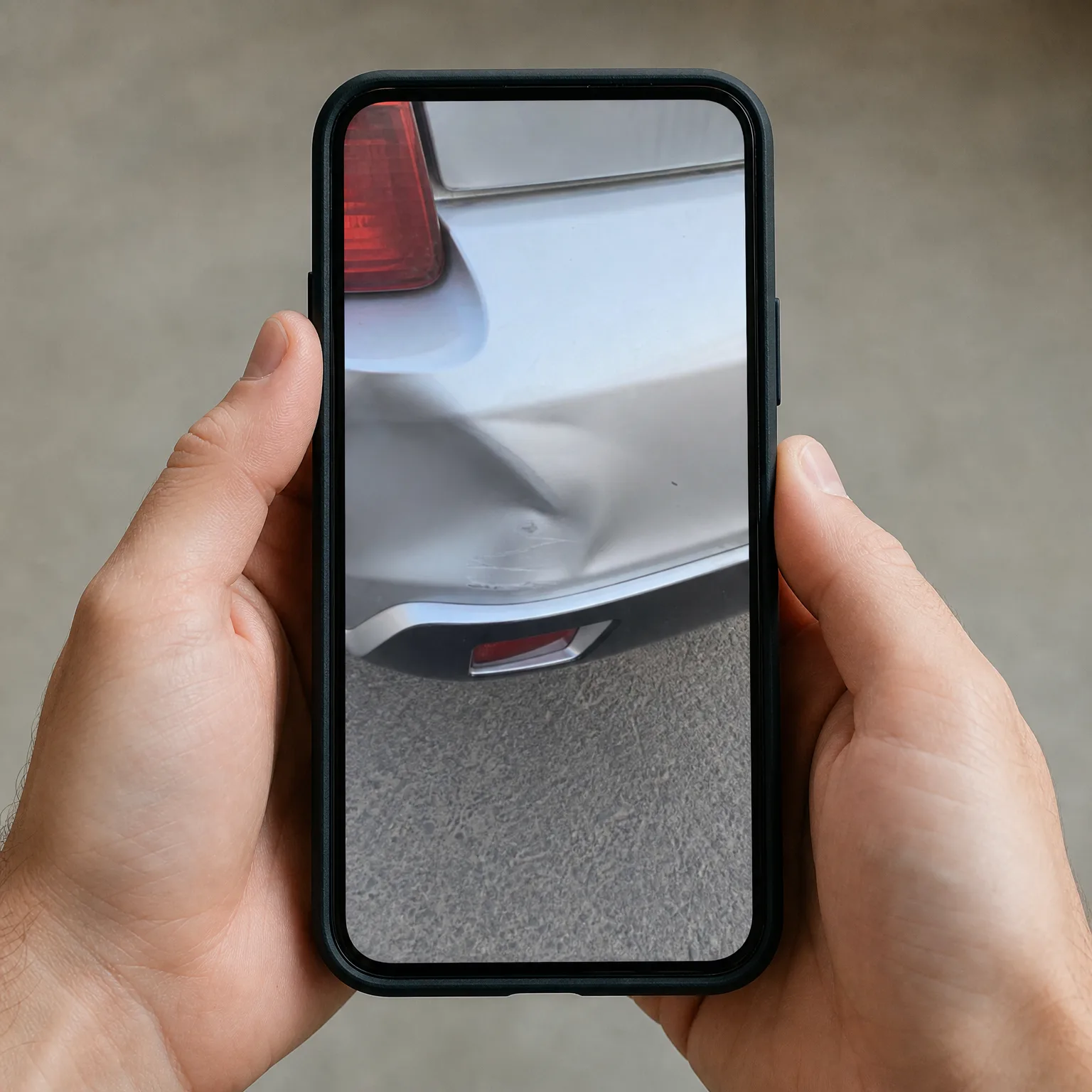
- The unused car's coverage Don't let autopay quietly keep paying full coverage on a car nobody drives. Decide first whether to reduce coverage, store it, or remove it, then set autopay on what's left.
- Notice settings Make sure payment reminders and failure notices go to an email and address you check regularly. A missed notice is the main way autopay problems turn into a lapse.
- The billing cycle timing Know whether payments are monthly or pulled in a lump sum, so a large charge doesn't surprise you. Match it to when money actually comes in.
Can I set up autopay with a bank account that still has my spouse's name on it?
Yes, as long as the account is open and active, most insurers will pull from it regardless of whose name is on it. The practical issue isn't eligibility, it's stability. If that account is going to be closed or retitled as you settle the estate, autopay on it will fail at an unpredictable time. It's usually simpler to move autopay to an account that's solely yours and not part of any pending changes, even if the joint account still works for now. That avoids a surprise lapse later when the account closes.
How do I take my spouse's name off the car insurance policy?
You'll need to call the insurer directly, since this usually isn't something you can do online. They'll ask you to confirm you're the surviving policyholder, and may ask for documentation depending on the state and insurer. This is worth doing even if you plan to keep the same coverage, because a policy still listing someone who has passed away can complicate claims or renewals later. Ask at the same time whether this change affects your premium, since some discounts and rates were calculated using both drivers.
Should I keep insurance on a car nobody drives anymore?
It depends on whether you plan to sell it, give it to someone, or keep it parked for now. If you're keeping the car, most states require at least some minimum coverage to keep it legally registered, so check your state's rule before dropping coverage entirely. If you're not ready to decide, many insurers offer a reduced, storage-only type of coverage that costs less than full coverage while still protecting the car. Ask your insurer directly what your options are before you cancel anything outright.