Is Storage Insurance Worth It for a Car
Storage coverage is worth it if the car still has value and you want to keep it, and it costs far less than full coverage while it sits.
It protects the car's value while you decide what to do with it
Storage coverage, usually comprehensive-only, pays for damage that happens when a car isn't being driven. Fire, theft, falling branches, flooding, a garage break-in. It doesn't cover collision, because the car isn't on the road, but it keeps the car's value protected while it sits in a driveway or garage waiting for a decision.
The reasoning behind it is simple. Liability and collision coverage exist because the car might hit something or be hit. If nobody is driving it, that risk drops to nearly nothing, so paying for that part of the policy is money spent on a risk that isn't there right now. But the car itself still exists, still has value, and can still be damaged or stolen sitting still. That risk doesn't go away just because the car is parked.
This is where it varies. Some insurers let you drop to comprehensive-only on a policy you already hold, as long as the car stays registered and insured in some form. Others require you to cancel the policy entirely and start fresh later, which can mean a gap in your coverage history. Ask your insurer directly which approach they use, because it changes whether storage coverage is simple or complicated to set up.
There are cases where it isn't worth it. If the car has little resale value, if you're planning to sell or donate it soon anyway, or if your state requires continuous full coverage to keep the registration active, storage coverage may cost more in hassle than it saves. Check your state's rules on registration and insurance before you change anything, since letting registration lapse can create its own problems.
A second car that nobody drives anymore
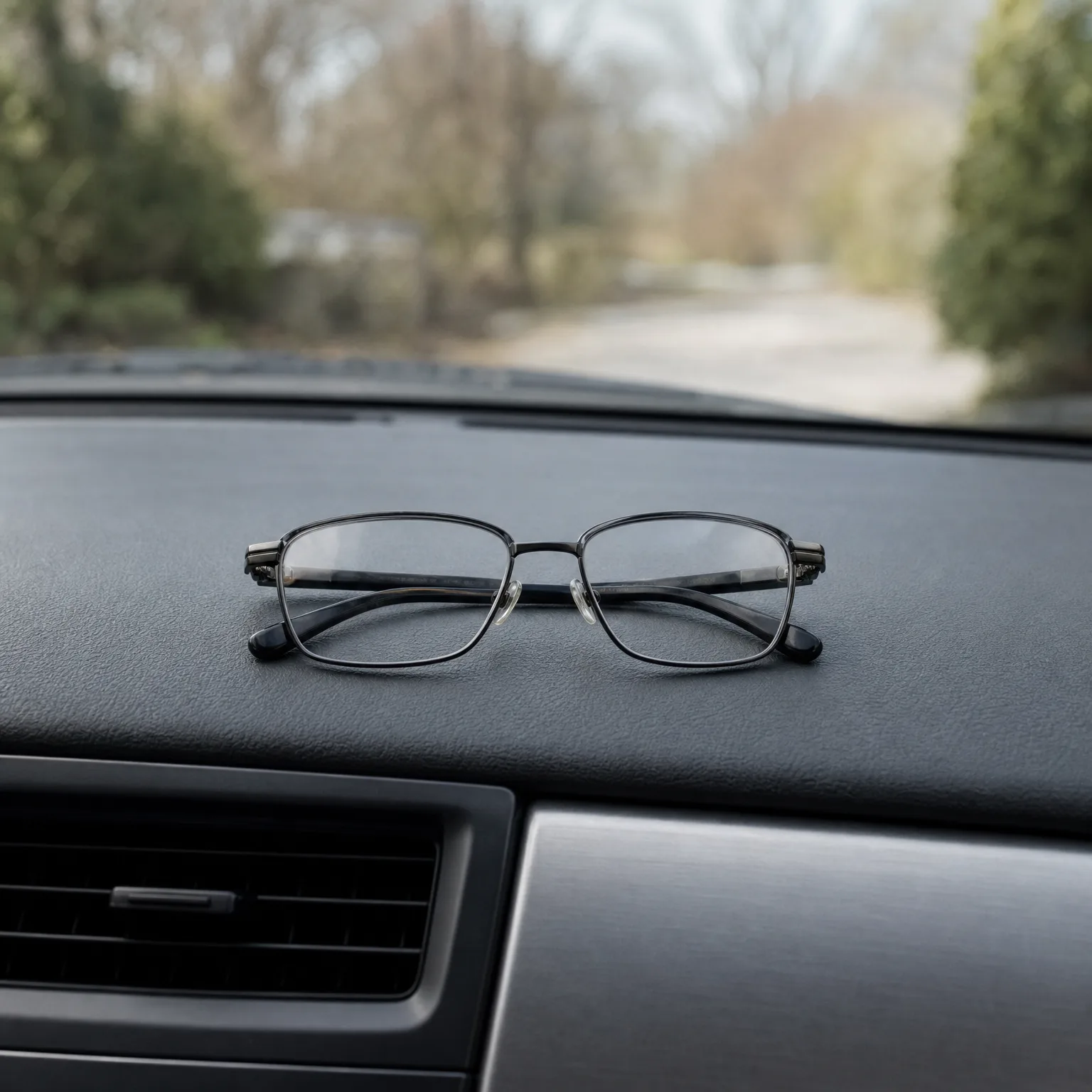
Say your spouse's car is still sitting in the garage. It runs fine, it's worth something, and you're not ready to decide whether to sell it, give it to a family member, or keep it for now. Meanwhile you're still paying full coverage on a car that hasn't moved in weeks, which feels like money going nowhere while everything else is still unsettled.
You call the insurer and ask about storage or comprehensive-only coverage. They confirm the car can stay registered and insured at a reduced rate as long as it isn't driven, and that you can switch back to full coverage anytime before it's driven again. You make the switch, keep the registration current, and give yourself room to decide later without worrying that the car is unprotected or that you're overpaying on something you're not using.
Once you know whether to keep full coverage or switch to storage, compare quotes to see what each option actually costs.

Switching the parked car to storage-only coverage
If you do
You stop paying for liability and collision on a car that isn't driven, while damage, theft, and weather are still covered. The policy usually stays active under your name, so there's no gap in coverage history. You'll need to switch back to full coverage before anyone drives the car again.
If you don't
You keep paying full price for a car that isn't on the road, including coverage for accidents that can't happen while it sits. That's not a mistake, some people prefer simplicity while they decide what to do. But it does mean money going toward risk that isn't there right now.
What to check before you switch to storage coverage
- Confirm it's allowed Ask your insurer directly if comprehensive-only coverage is available on your policy, since not all insurers offer it the same way.
- Check registration rules Some states require continuous full coverage to keep a car registered, so confirm this before you drop any part of the policy.
- Know the switch-back process Find out how much notice you need to give before driving the car again, so you're not caught uninsured.
- Weigh the car's value If the car is worth little or you plan to sell it soon, storage coverage may not be worth the paperwork.
- Keep records of the change Save confirmation of the coverage change in writing, in case questions come up later about when coverage started or stopped.
Can I cancel car insurance completely instead of switching to storage coverage?
You can, but it often isn't the better choice. Canceling entirely can create a gap in your coverage history, which some insurers use to raise rates later, and most states still require some insurance to keep a car registered. Storage coverage avoids both problems while still cutting the cost. Check your state's registration rules and ask your insurer how a full cancellation would affect future rates before deciding.
Does storage insurance cover a car if someone drives it occasionally?
No, storage or comprehensive-only coverage assumes the car isn't being driven at all. If anyone drives it, even briefly, you need liability coverage active first, or you risk being uninsured during that trip. If the car will be driven now and then, ask your insurer about a policy that allows occasional use instead of full storage status.
What happens to the title and registration if I don't drive the car for months?
The title isn't affected by how often the car is driven, but registration rules vary by state. Some states require the car stay insured to keep registration valid, others allow a non-operational or storage status that suspends registration requirements. Check with your state's motor vehicle office directly, since letting registration lapse without the right status can lead to fines or require reinspection later.