Is There an Alternative to Gap Insurance
Yes, you have other options besides a standalone gap policy, and some of them you may already have access to.
Why other options exist and when they work
Gap coverage solves one specific problem. If your car is totaled or stolen, your insurer pays what the car was worth right before that happened, not what you still owe the lender. If those two numbers are far apart, you're left paying for a car you no longer have. Gap insurance closes that difference, but it isn't the only way to close it.
Some lenders and dealers sell something similar under a different name, often tied to the loan itself rather than the insurance policy. It can work the same way in practice, but the terms, the payout rules and what happens if you refinance or pay off early can be different from an insurance-based gap product. You'd want to read that contract as carefully as you'd read a policy.
Another path is simply not needing gap coverage at all. If you made a large down payment, if you're well into the loan, or if you chose a shorter loan term, the amount you owe may already be close to or below the car's value. In that case no gap product is doing much for you, and paying for one is paying for a problem you don't have.
Where this varies is by state and by insurer. Some states regulate how gap waivers sold through dealers can be priced or cancelled, and some insurers bundle gap-like protection into other coverage, like new car replacement. Check your loan documents and ask your insurer directly what they offer and how it compares before you decide you need a separate product.

The short version
Yes, alternatives exist, mainly loan or lease gap waivers sold by lenders and dealers, and simply owing less than your car is worth. Compare the cost and terms of each against a standalone gap policy. Check your loan balance against your car's value first, since you may not need any of them.
Which option actually costs less in the long run?
It depends on your loan and how long you keep the car, so there's no single answer that holds for everyone. A standalone gap insurance policy is usually billed monthly alongside your regular premium, which means you can cancel it once you no longer need it, typically once your loan balance drops below your car's value.
A dealer or lender gap waiver is often a one-time fee rolled into the loan itself. That can look cheaper upfront, but you're paying interest on that fee for the life of the loan, and you usually can't cancel it the same way if you pay the car off early or refinance. If you tend to keep loans short or pay extra toward principal, the insurance route is often more flexible. If you're financing long-term and want it handled once, the rolled-in fee might suit you better. Read the cancellation terms either way.
Once you know whether you need gap coverage, compare quotes to see what adding it would actually cost.

Should you add a gap alternative or skip it
If you do
You add a loan-based waiver or keep a gap policy, and if your car is totaled you won't owe money on a car you can't drive. Your monthly cost goes up slightly, but you're protected against the gap between payout and loan balance while it still exists.
If you don't
You skip it, assuming you've checked and your loan balance is already close to your car's value. You save the extra cost, but if you're wrong and the car is totaled early in the loan, you could owe a real difference out of pocket with no coverage to close it.

What to weigh before choosing an alternative
- Check your loan balance Compare what you owe right now against what your car is actually worth. If the two are close, you likely don't need any gap product at all.
- Read the dealer waiver terms A loan-based waiver can substitute for insurance gap coverage, but refund and cancellation rules differ. Ask what happens if you pay off the loan early.
- Ask your insurer directly Some insurers fold gap-like protection into new car replacement coverage. It may already be available to you without buying anything separate.
- Consider how long you'll keep it If you plan to sell or trade in soon, a short-term insurance add-on may suit you better than a fee rolled into a longer loan.
- Recheck after a big payment A large down payment or an extra payment toward principal can close the gap faster than you expect. Recheck before renewing any coverage.
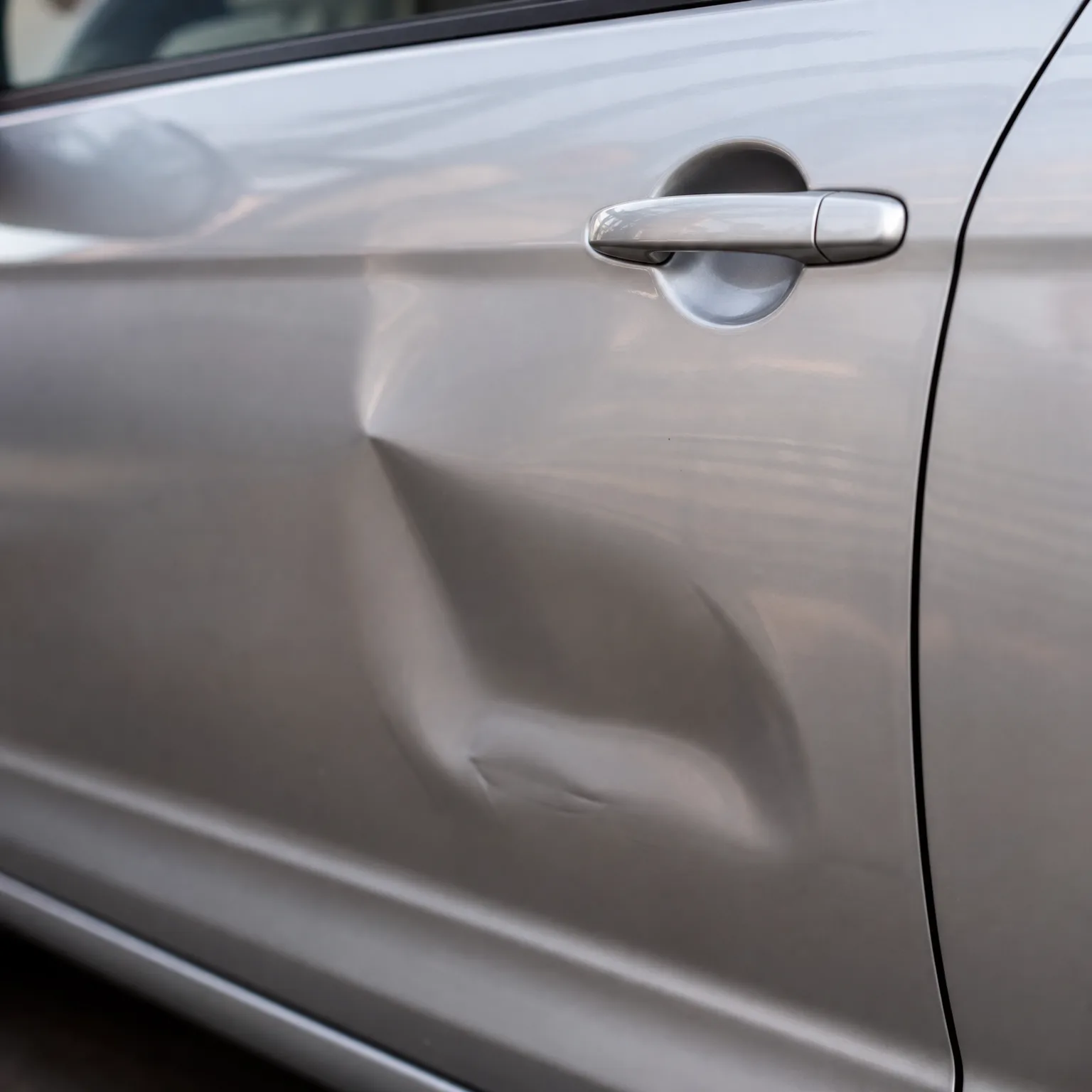
A driver weighing a dealer waiver against gap insurance
A driver financed a car with a small down payment and a long loan term. At the dealership, they were offered a one-time gap waiver rolled into the loan, and separately their insurer offered a monthly gap endorsement. They didn't know which was better, so they asked the dealer for the exact waiver terms in writing and called their insurer to get a monthly cost for comparison.
The dealer waiver turned out to be non-refundable if the loan was paid off early, while the insurer's version could be cancelled anytime once the loan balance dropped low enough. Since the driver expected to pay extra toward the loan over time, they chose the insurer's monthly option instead. A year later, after making extra payments, they checked their loan balance against the car's value, found the gap had closed, and cancelled the coverage without losing anything paid upfront.