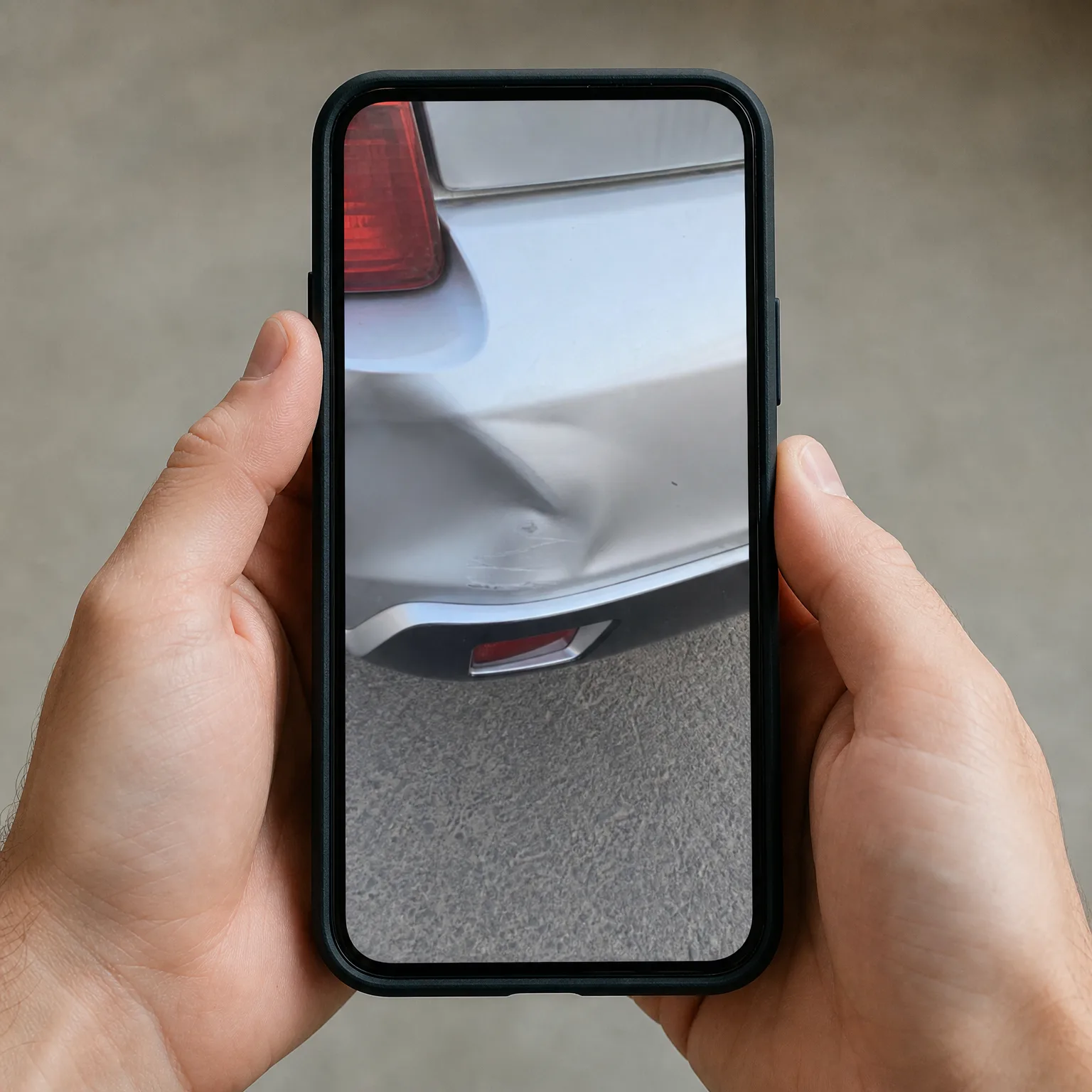
Should I Buy Car Insurance Online or Through an Agent
Buy online if your situation is simple, and use an agent if you're untangling a policy that isn't fully yours to explain yet.
It comes down to how much explaining your situation needs
Online systems are built for straightforward cases. You enter the facts, the system prices them, and you're done. That works well when you know the basics: who's driving, what cars are covered, what coverage you want. It does not work as well when the facts themselves are unclear, which is common right after a spouse dies, because the policy may still list a name, a car, or a coverage choice that no one currently understands.
An agent earns their place when the situation has pieces that don't fit a form. Retitling a car, removing a driver who has passed away, deciding what to do with a vehicle nobody uses, these are judgment calls, not data entry. An agent can ask what you actually need instead of just what the screen asks for, and can flag a coverage gap before it becomes a real loss.
This is also where state rules start to matter more than usual. How a policy transfers after a death, what documentation is required, and whether coverage lapses during the change can depend on your state and your insurer. An agent who works in your state will know the local steps. A website generally won't ask the right questions unless you already know to ask them yourself.
Once the paperwork is settled and the policy reflects reality, going online for future renewals is often fine. The complexity is usually temporary. It lives in this transition, not in car insurance itself.
The short version
Use an agent now, while the policy still reflects your spouse rather than your current situation. Once ownership, drivers, and coverage are correctly updated, buying online works just as well. The one thing to do next is call an agent before you shop for quotes, so the paperwork is right first.
What if I don't know what's actually in the current policy?
That's common, and it's exactly the situation an agent is useful for. You don't need to understand the policy before you call. Bring the declarations page if you have it, or just the insurer's name, and let the agent walk through what's covered, who's listed, and what needs to change now that your spouse is gone.
An online quote tool assumes you already know these answers. It will ask you to confirm details instead of explaining them, which can lead you to accidentally drop coverage you still need or keep paying for something you don't. Getting a plain explanation first costs you nothing and prevents that.
Once you know whether you need an agent's help or not, compare quotes with the details you've actually confirmed.
Do I need to tell the insurance company my spouse died?
Yes, you need to tell them, because the policy is likely still written around your spouse as a named insured or primary driver. Not updating it can affect how claims are handled and who is legally allowed to make changes. Call the insurer or agent, explain the situation, and ask what documents they need. Requirements vary by insurer and by state, so ask specifically what applies to your policy.
Can I keep my spouse's car insured if nobody drives it?
Yes, but you may be paying for coverage you don't need. A car that isn't driven can often move to a reduced coverage type meant for stored or rarely used vehicles, which still protects against fire, theft, or damage without full driving coverage. Ask your insurer what options exist for this. Whether it's worth keeping, selling, or storing depends on the car's value and whether you plan to drive it again.
Will my insurance rate change after removing my spouse from the policy?
It can, in either direction, depending on how the household's driving history and coverage were structured. Sometimes removing a driver lowers the rate, and sometimes it raises it if your spouse had a strong driving record that was helping the overall price. Ask the insurer to show you the new rate before finalizing changes, so there are no surprises.

This policy still describes your old life, not your current one. Fix that before you compare prices.