Should I Have Collision Insurance on a 20 Year Old Car
Drop collision if the car's value is close to what you'd pay in premiums and deductible combined; otherwise keep it.
Collision only pays out up to what the car is worth
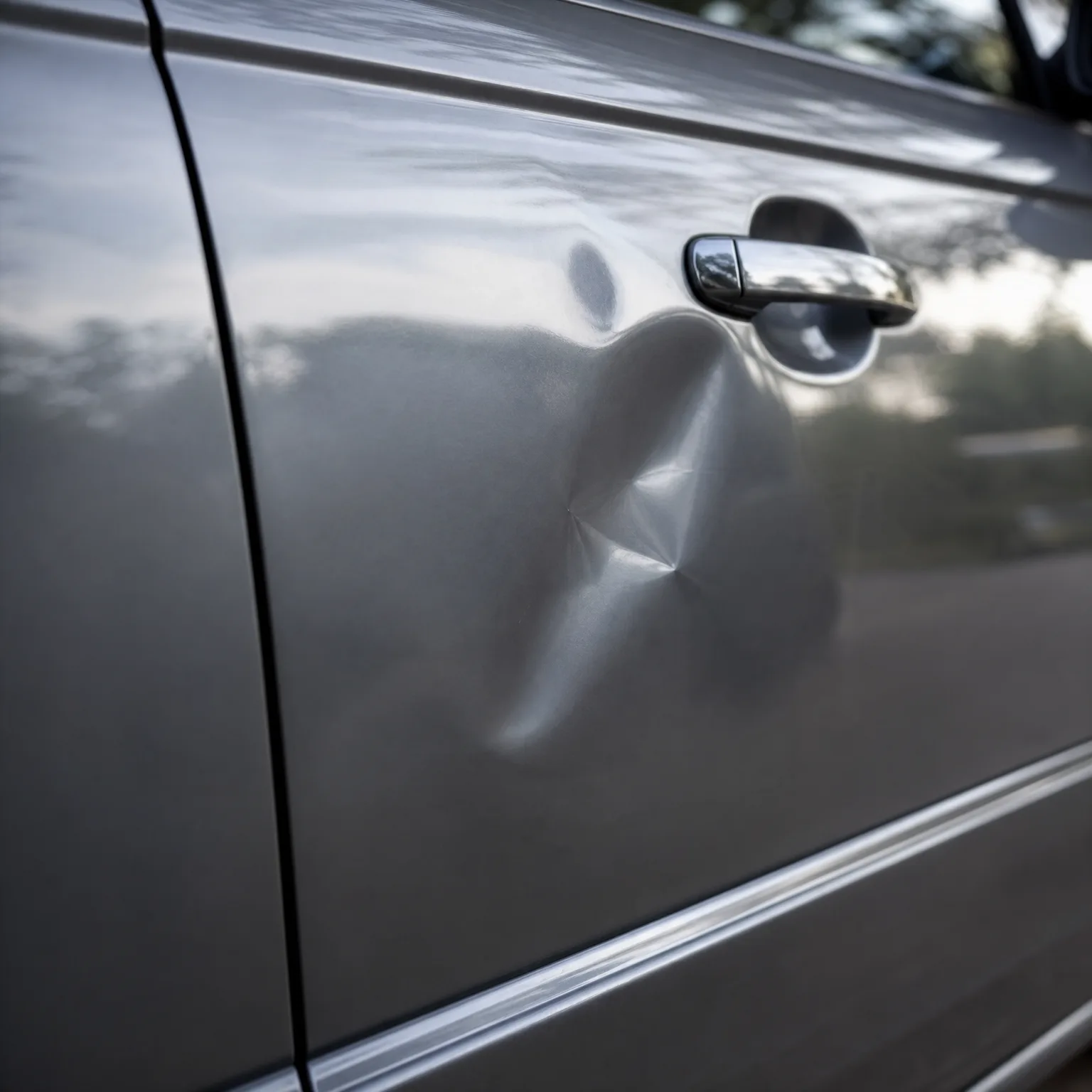
Collision coverage repairs or replaces your own car after an accident you caused, but the insurer will never pay more than the car's current market value. On a 20 year old car, that value is often low. So you're paying a premium every month for a payout that's capped at a small number, and at some point the math stops making sense.
The way to check is simple. Look up what similar cars, same year, mileage and condition, are selling for in your area. Then look at what you're paying for collision on this car each year, and add in the deductible you'd owe if you filed a claim. If the yearly premium plus the deductible gets close to or passes the car's value, the coverage isn't doing much for you anymore.
There are cases where it still makes sense to keep it. If you couldn't easily cover the cost of replacing the car out of pocket, collision still protects you even on an older car, because losing any car unexpectedly is a real expense. If the car has been kept in excellent condition and is worth more than typical for its age, that changes the math too. And if you're still financing or leasing it, your lender likely requires collision regardless of age.
This is also a good moment to check comprehensive coverage separately, since it protects against theft, weather and other non-collision events, and the same value question applies to it. States and insurers vary in how they calculate a car's value after a loss, so ask your insurer directly how they'd determine the payout before you decide to drop anything.
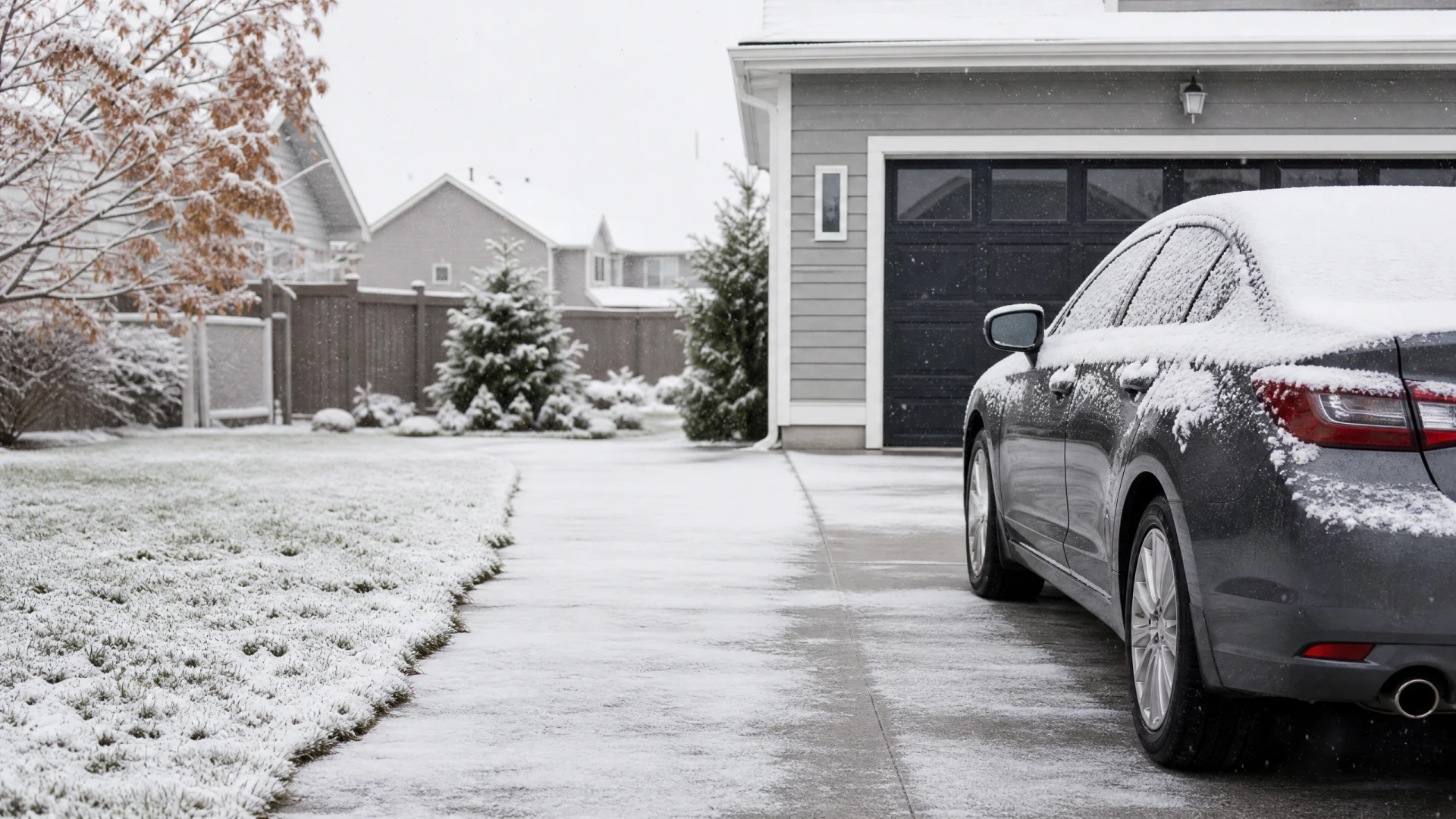
A second car sitting in the driveway after a loss
A woman who had recently lost her husband found herself with two cars on the policy, her own newer car and his old sedan, now twenty years old, that nobody was driving. She wasn't sure whether to keep paying for full coverage on his car, sell it, or let someone else in the family use it. She called her insurer to ask what the sedan was actually worth and what collision was costing her specifically on that one vehicle, separate from the rest of the policy.
The answer showed that the collision premium and deductible together were close to the car's full value. She decided to drop collision and comprehensive on the sedan but kept liability coverage active while she figured out whether to sell it or give it to her adult son. That decision gave her room to make a calmer choice about the car itself, without spending money on coverage that wasn't worth much if she'd ever needed to use it.
Once you know whether this car needs collision coverage, compare quotes to settle the rest of the policy.

Whether to keep paying for collision on this car
If you do
You stay protected if the car is damaged in an accident, and you'll get paid out up to its current value, minus your deductible. You keep paying the premium every month whether or not you ever file a claim, and on an old car that payout may be small next to what you've spent.
If you don't
You stop paying for coverage that may not be worth much given the car's age. If you're in an accident you're responsible for, you'll pay to repair or replace the car yourself. Liability coverage still protects you if you damage someone else's car or property, so you're not driving unprotected.
How do I find out what my car is actually worth?
Check recent sale prices for the same year, make, model, mileage and condition in your area, using a few different listing sites to get a range rather than one number. Your insurer can also tell you what value they'd use to calculate a payout, which is the number that actually matters for this decision. If the car has low mileage or is in unusually good shape for its age, its value may be higher than a quick search suggests, so factor that in before deciding.
Can I drop collision on just one car on a shared policy?
Yes, collision coverage is set per vehicle, so you can drop it on one car while keeping it on another. This is common when one car is older or used less than the other. Ask your insurer to show you the premium broken down by vehicle so you know exactly what you'd save. Dropping it on one car won't affect the coverage or rates on the other vehicle on the policy.
What happens to the policy if the car is in my late spouse's name?
You'll likely need to update the title and registration before the insurer can make changes to that car's coverage, since the policy may need to match current ownership. Requirements for transferring a title after a death vary by state, so check with your state's motor vehicle office for the exact steps. Until that's done, ask your insurer what they can adjust in the meantime so you're not paying for coverage you don't need while paperwork is pending.
The real question isn't the car's age, it's whether a payout capped at its value still beats the premium.