Should I Keep Full Coverage on My 10 Year Old Car
Keep full coverage only if the car's value, your loan, or your savings make a claim without it too costly to absorb.
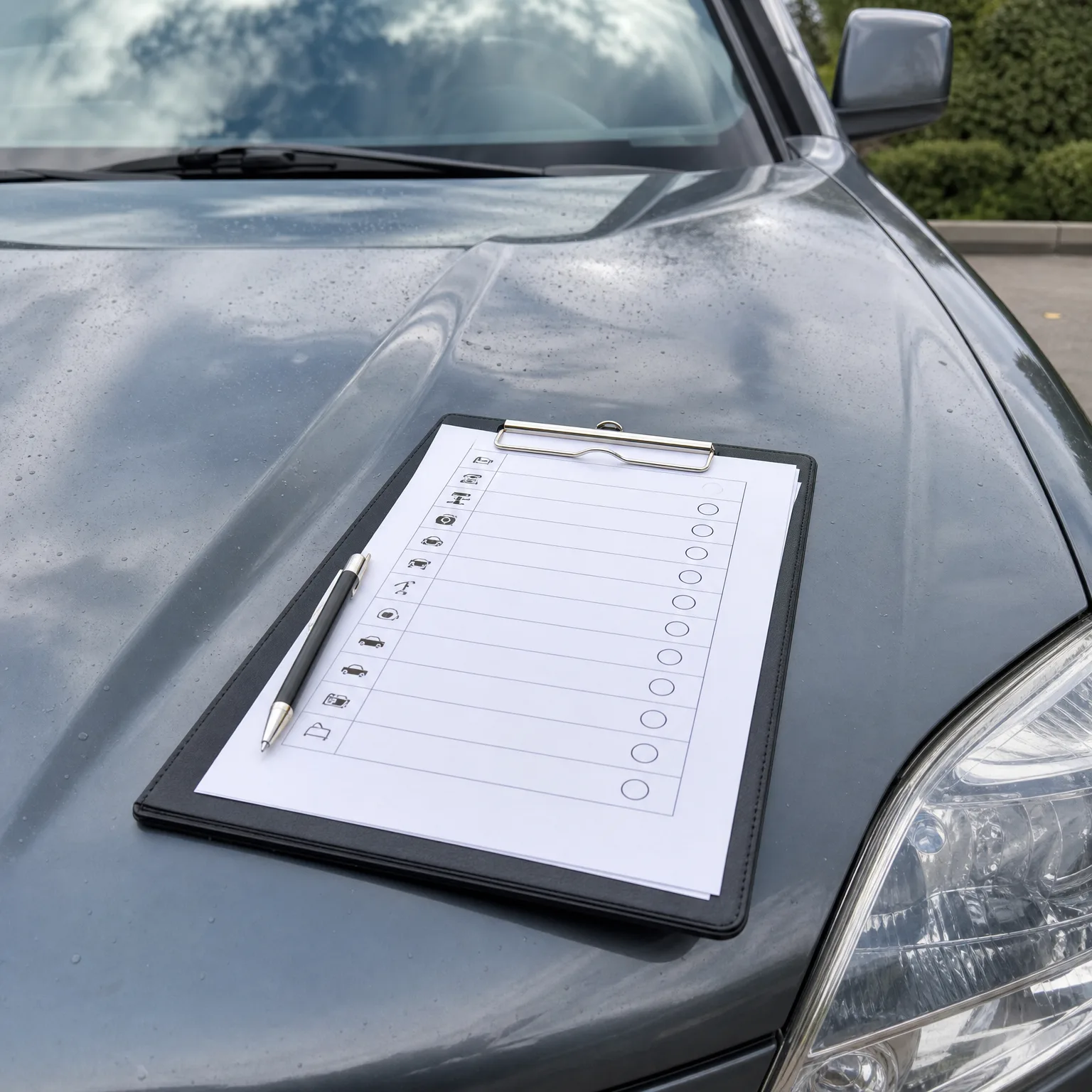
What actually decides this, beyond the car's age
- Current market value Look up what the car would sell for today, not what you paid. If that number is low, full coverage pays out less each year while costing you the same.
- Loan or lease status If you still owe money on the car, your lender likely requires full coverage. If it's paid off, that requirement disappears and the choice is yours.
- Your savings cushion If you could replace the car in cash tomorrow, dropping full coverage costs you less sleep. If you couldn't, that cushion is what full coverage is really buying.
- Cost of coverage versus value Compare what you pay yearly for comprehensive and collision against the car's value. When the math gets close, many people choose to self insure instead.
- How you'd handle a totaled car Think through what happens the week after an accident with no payout coming. If that gap feels unmanageable, keep the coverage a while longer.
What's the exact point where dropping full coverage makes sense?
There's no fixed age or mileage that triggers this. The real test is a simple comparison: take what you'd pay annually for comprehensive and collision, and compare it to what the car is actually worth right now.
When the yearly cost starts approaching a meaningful chunk of the car's value, many people decide the insurer is no longer a good deal for this particular risk. You're effectively betting a fixed yearly cost against a payout that shrinks every year as the car ages.
The other half of the test is personal, not mathematical. If losing the car tomorrow with no payout would strain your finances, that risk matters more than the math alone suggests, and keeping coverage a while longer is reasonable even if the car's value is low.

Dropping full coverage versus keeping it
If you do
You stop paying for comprehensive and collision, so your monthly bill drops right away. If the car is stolen, flooded, or totaled in an accident, you get nothing from the insurer and have to cover a replacement yourself, in cash or with a new loan.
If you don't
You keep paying for coverage that may be worth more than the car itself. But if something happens, a breakdown, a crash, a tree branch, the insurer pays out based on the car's value, and you're not stuck covering a total loss alone.
Now that you know what to keep or drop, compare quotes to see what each choice would actually cost.
Why this comes down to value, not age
Full coverage exists to protect against a financial loss you couldn't absorb on your own. Comprehensive and collision specifically protect the car's own value, paying out based on what the car is worth today if it's stolen, totaled, or damaged beyond repair. As a car ages, that value drops steadily, but the cost of insuring it doesn't drop at the same rate. That gap is the whole reason this question comes up around the ten year mark, though it can come up earlier or later depending on the specific car.
A loan or lease changes the calculation entirely. Lenders require full coverage because they have a financial stake in the car until it's paid off. Once you own the car outright, that requirement goes away, and the decision becomes purely about whether the coverage is worth it to you.
The cases where it works out differently usually involve a car that's held its value unusually well, or a driver whose daily situation makes a sudden loss especially disruptive, someone commuting long distances for work, or supporting a family that depends on that one car. In those cases the premium can still be worth paying even on an older car, because the cost of being without a car matters as much as the car's resale value.
State rules and insurer practices vary on how they value an older car after a loss, sometimes called actual cash value. Check with your insurer how they calculate that number, because it directly affects whether a payout would even be worth collecting.
The real question isn't the car's age. It's whether you could replace it yourself without the insurer's help.
How much is my 10 year old car actually worth right now?
Its worth is based on current market value, not the original price or what you still feel it's worth. Check recent sale prices for the same make, model, year, and condition in your area. Mileage, accident history, and overall condition all move that number. This figure is the one to compare against your coverage cost, since it tells you the maximum an insurer would ever pay out if the car were totaled.
What happens if I drop full coverage and then get in an accident?
If you caused the accident, liability coverage pays for the other party's damage and injuries, but nothing goes toward your own car. You'd be responsible for repair or replacement costs yourself. If the other driver caused it, their liability coverage may pay for your car instead. This is why your own savings cushion matters so much in this decision, it's your backup once full coverage is gone.
Should I drop full coverage on a car I still owe money on?
No, not usually, since most lenders require it as a condition of the loan. Check your loan agreement for the specific coverage requirements, since dropping it without permission could violate the terms. Once the loan is paid off, the requirement ends and you're free to reevaluate based on the car's value and your own financial cushion.