Should I Keep Full Coverage on My Car
Keep full coverage if the car is worth enough to make the payout matter, and drop it if the car isn't worth that anymore.
It comes down to what the insurer would owe you, not what you paid
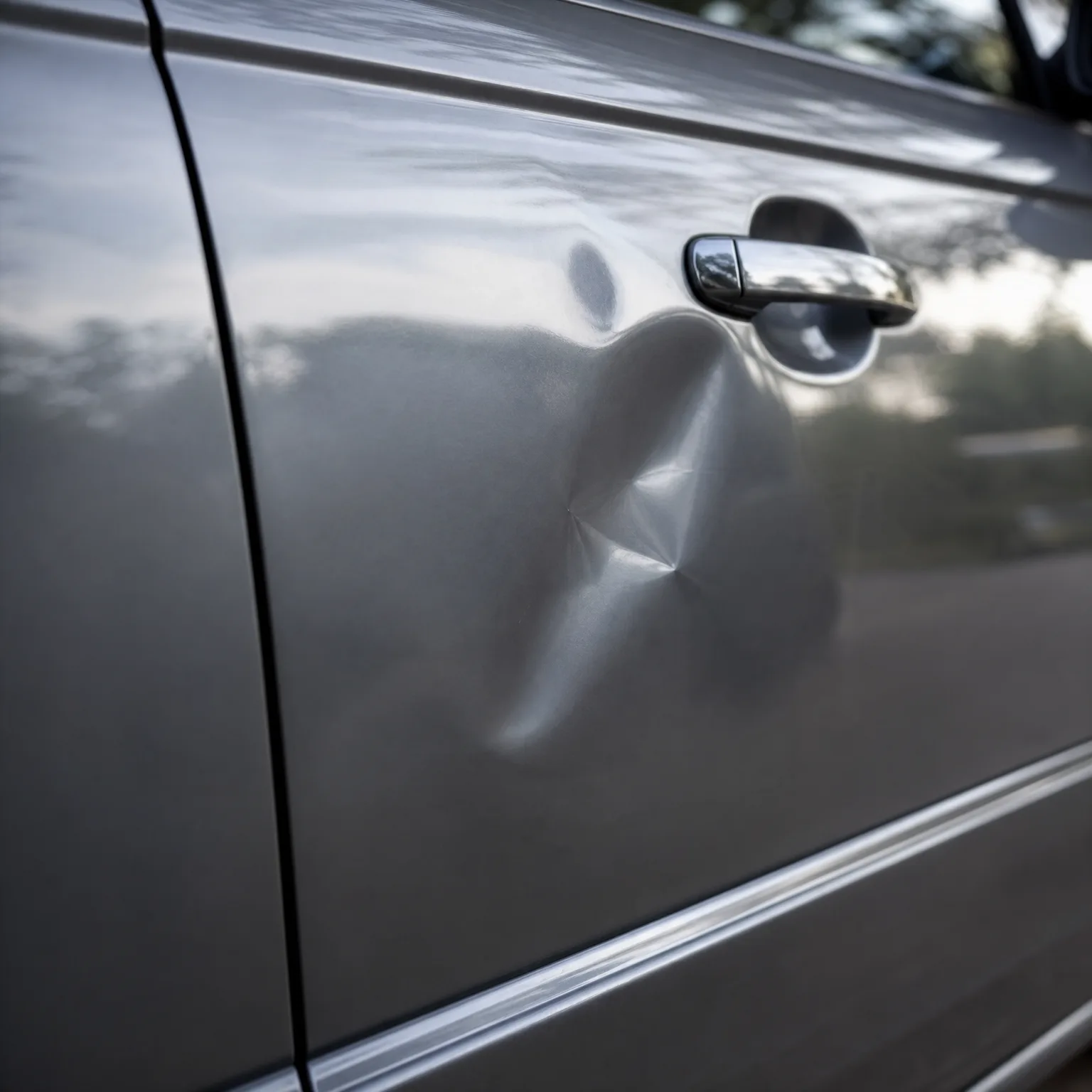
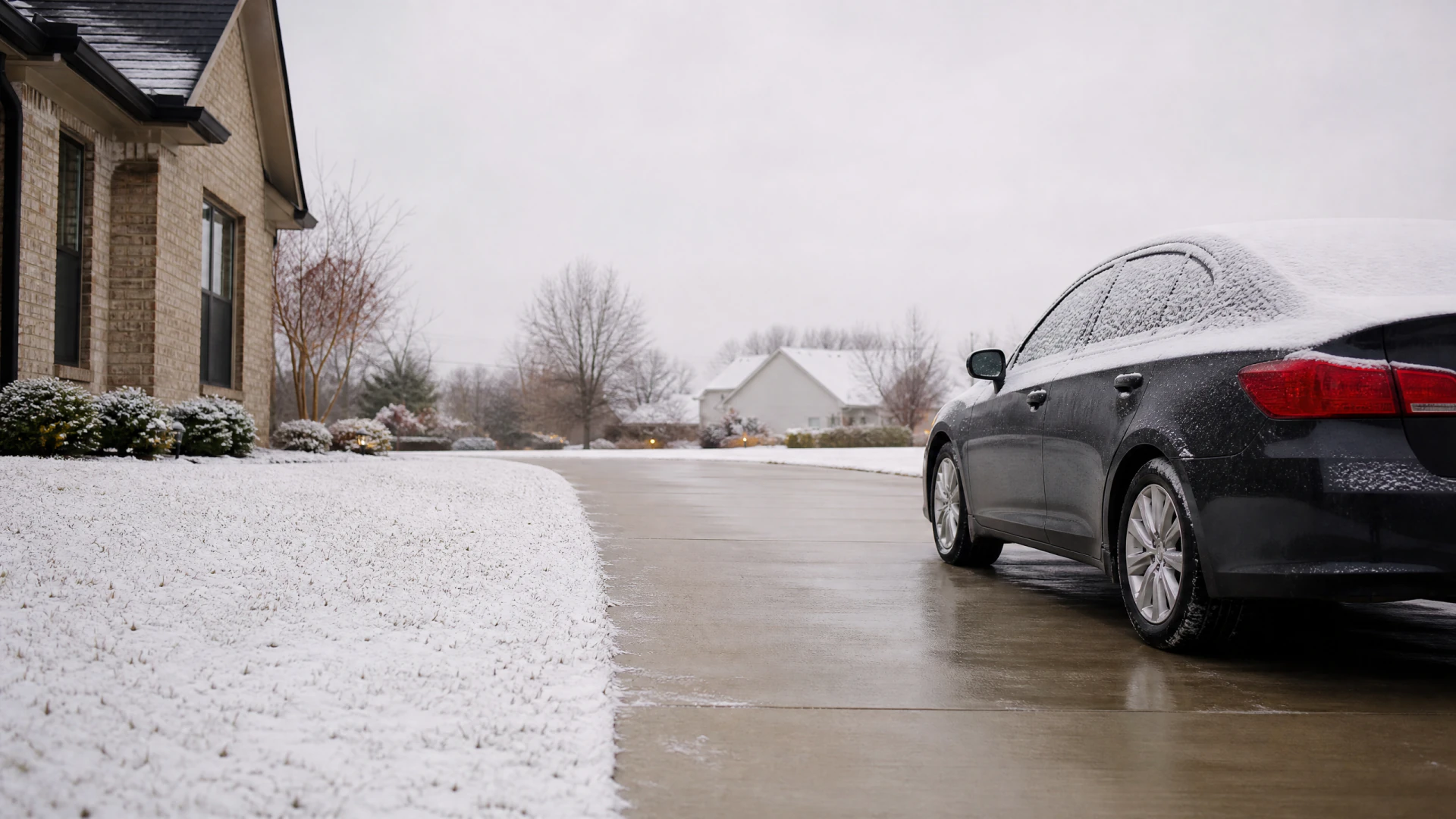
Full coverage means you carry collision and comprehensive on top of the liability your state requires. Those two cover damage to your own car, whether from an accident, weather, theft or something hitting it while parked. The insurer will only ever pay out what the car is worth right now, not what it cost when it was new. That's the whole calculation. If the car is worth a good amount, full coverage protects real money. If it's worth very little, you'd be paying premiums every year to protect a payout that's barely worth having.
This is why the math changes as a car ages, even if nothing else about your situation does. A car that made sense to fully insure earlier on may not make sense now, regardless of whose name is on the title or who used to manage the policy. The decision isn't really about the past. It's about what the car is worth today versus what you're paying to protect that value.
There are cases where it works out differently. If there's still a loan or lease on the car, the lender almost always requires full coverage, so you don't get a choice until that's paid off. If the car is a second vehicle that barely gets driven, some people still keep comprehensive alone, since it's usually cheap and covers theft or weather damage even while the car sits in a driveway. Check with your insurer, because how comprehensive-only options are priced and offered varies.
If you're unsure what the car is worth, that's the first thing to find out, not a guess to make later. Once you know that number, the keep-or-drop decision mostly answers itself.
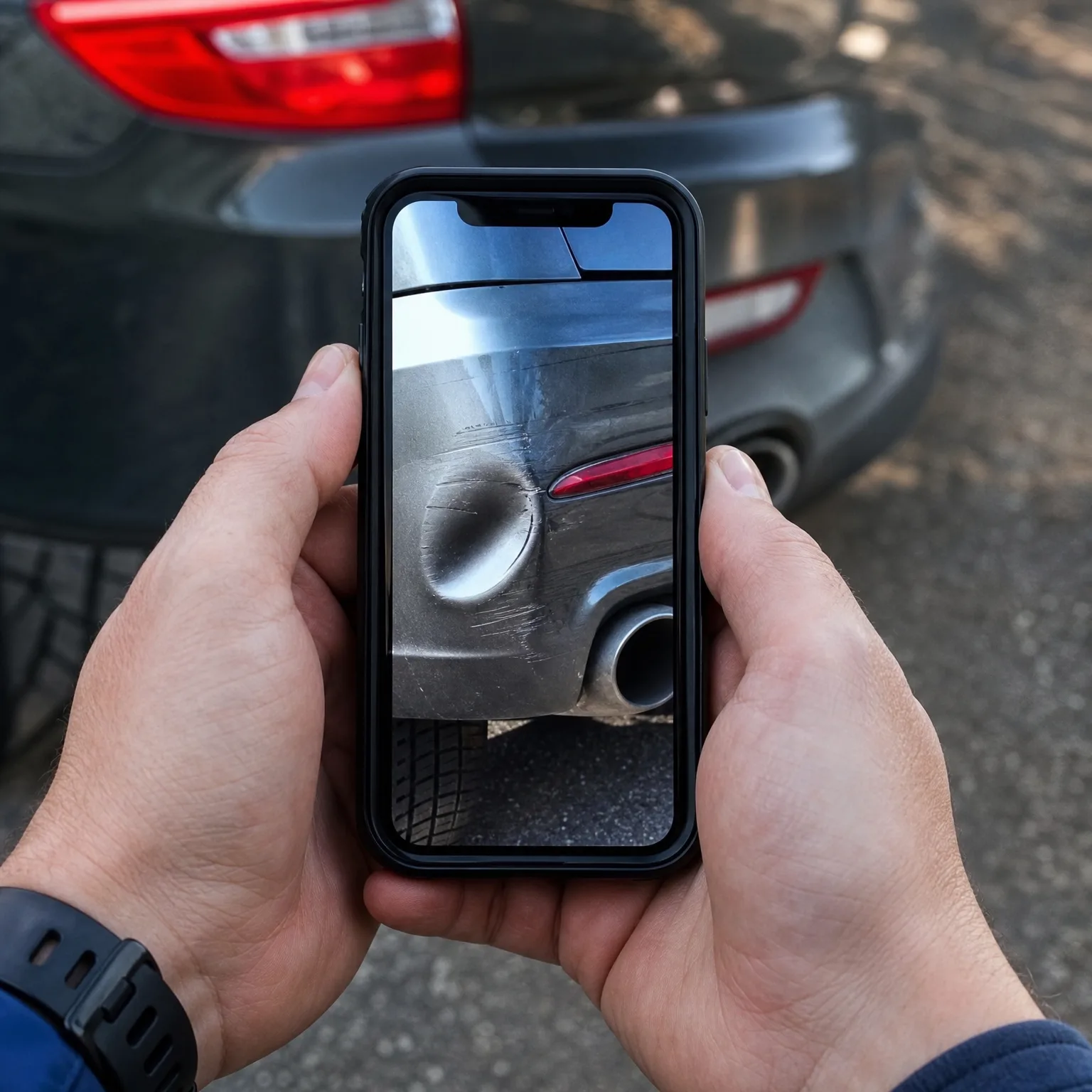
What actually decides this
- What the car is worth Look up the car's current value, not what it's insured for now. If that value is low, full coverage is protecting less than you think.
- Whether a loan still exists If the car is financed or leased, the lender requires full coverage until it's paid off. Check the loan payoff before changing anything.
- How often it's driven A car that sits unused still faces theft and weather risk. Comprehensive-only coverage can protect it for less than full coverage does.
- What you'd pay out of pocket If the car were totaled tomorrow, decide if you could cover a replacement yourself. If not, full coverage is doing real work for you.
- What's on the policy now Confirm what coverage the car currently has, since it may be set up the way your spouse arranged it, not the way you'd choose today.
This isn't about what your spouse set up. It's about what this car is worth to you right now.
Once you know whether to keep full coverage, compare quotes to see what that choice actually costs with each insurer.
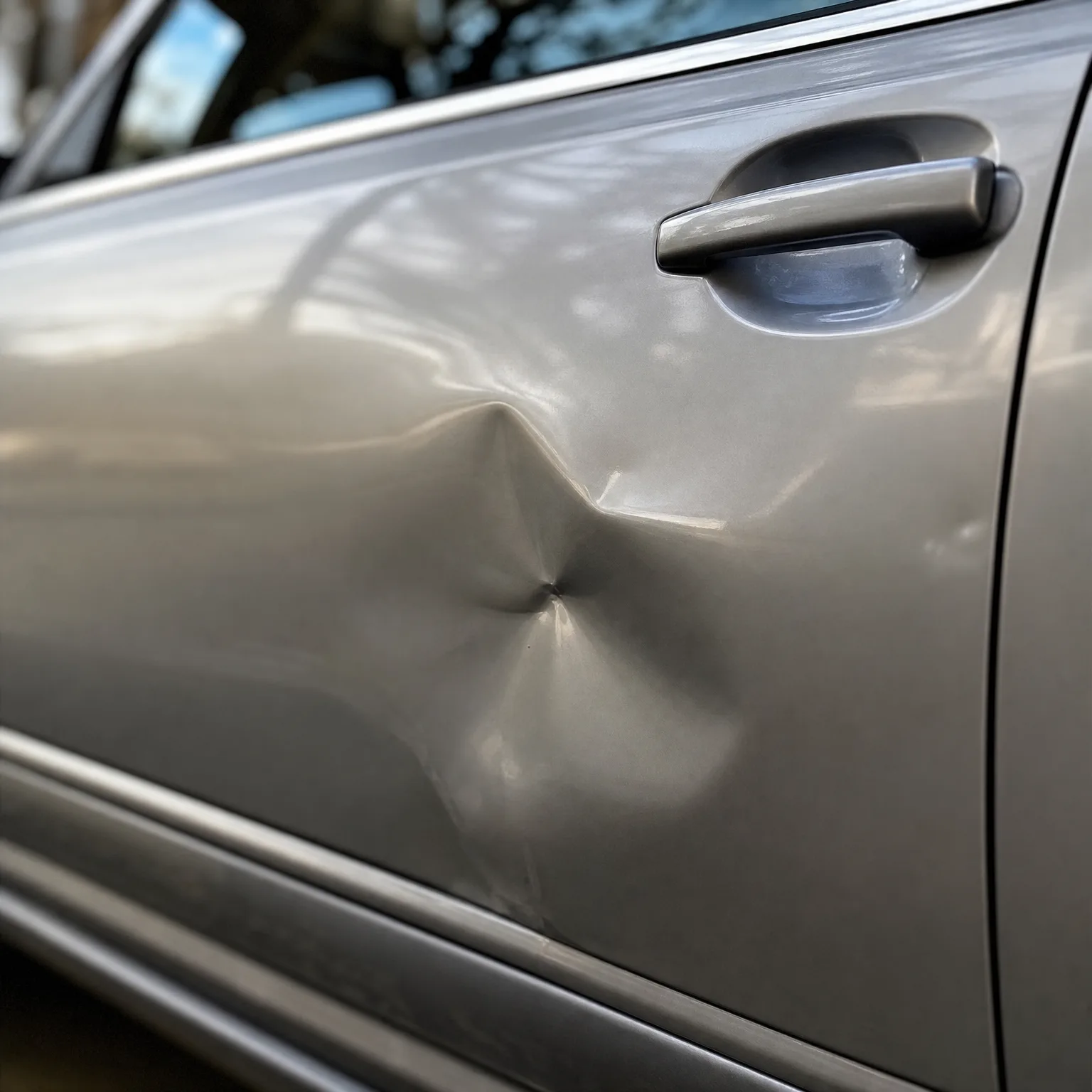
A second car nobody drives anymore
A woman in her sixties lost her husband and found herself with two cars, hers and his older sedan, which nobody had driven in months. The policy still listed full coverage on both, set up years earlier when the sedan was his daily car. She didn't know if it still made sense, and she didn't want to accidentally lose coverage she needed either.
She started by looking up what the sedan was actually worth now. It was low enough that full coverage was costing more each year than the car would be worth if it were stolen or totaled. She dropped collision and comprehensive on the sedan but kept liability active, since the car was still registered and occasionally driven by a relative. On her own car, which she used daily and which held its value better, she kept full coverage as is. The change lowered her total premium without leaving either car legally uninsured or exposed in a way that worried her.
How do I find out what my car is actually worth?
Use an online valuation tool made for this, searching by your car's year, make, model and mileage. Condition matters too, so be honest about wear and any damage. Insurers use similar data to set payout value, so this gives you a realistic number. If the car has unusual modifications or low mileage for its age, the value may be higher than a quick estimate suggests, so check more than one source before deciding.
What happens to the coverage if I don't change anything?
Nothing happens automatically. The policy stays exactly as it was, with the same coverage and the same premium, until you contact the insurer to change it. This means you could keep paying for full coverage on a car that doesn't need it for a long while without anyone flagging it. Insurers don't review this for you, so the responsibility to check sits with you, especially after a change like this in your household.
Can I drop full coverage on one car but keep it on another?
Yes, coverage is set per vehicle, not per policy, so each car can carry different levels. This is common when one car is newer or driven daily and another is older or rarely used. Just confirm with your insurer how this affects any multi-car discount, since some discounts depend on both cars carrying similar coverage, and that detail varies by insurer.