Should You Allow Test Drives When Selling a Car Privately
Yes, allow the test drive, but check the driver's license and ride along every time.
A test drive is normal, but you set the terms
Buyers expect to drive a car before they commit to it, and refusing outright will cost you serious buyers who assume something's wrong with the vehicle. The real question isn't whether to allow it, but how to structure it so you stay protected the whole time.
The risk isn't really the driving itself, it's the handoff. You're handing keys to a stranger, sometimes your title and registration are sitting in the glovebox, and once they're behind the wheel you have limited control over where the car goes. That's the part to manage, not the test drive itself.
Your own car insurance is what covers the vehicle during a test drive in most cases, not any policy belonging to the buyer. That means your coverage, including your liability limits and your deductible, is what's on the line if something happens. Some insurers treat a prospective buyer differently than a regular permissive driver, so this is worth checking before you ever meet someone.
Where things go wrong is almost always about control, not mechanics. Letting someone take the car alone, skipping the license check, or meeting at a location you don't know well are the actual sources of risk. Handled with basic precautions, a test drive is routine and low risk, which is exactly why private sales work the way they do.
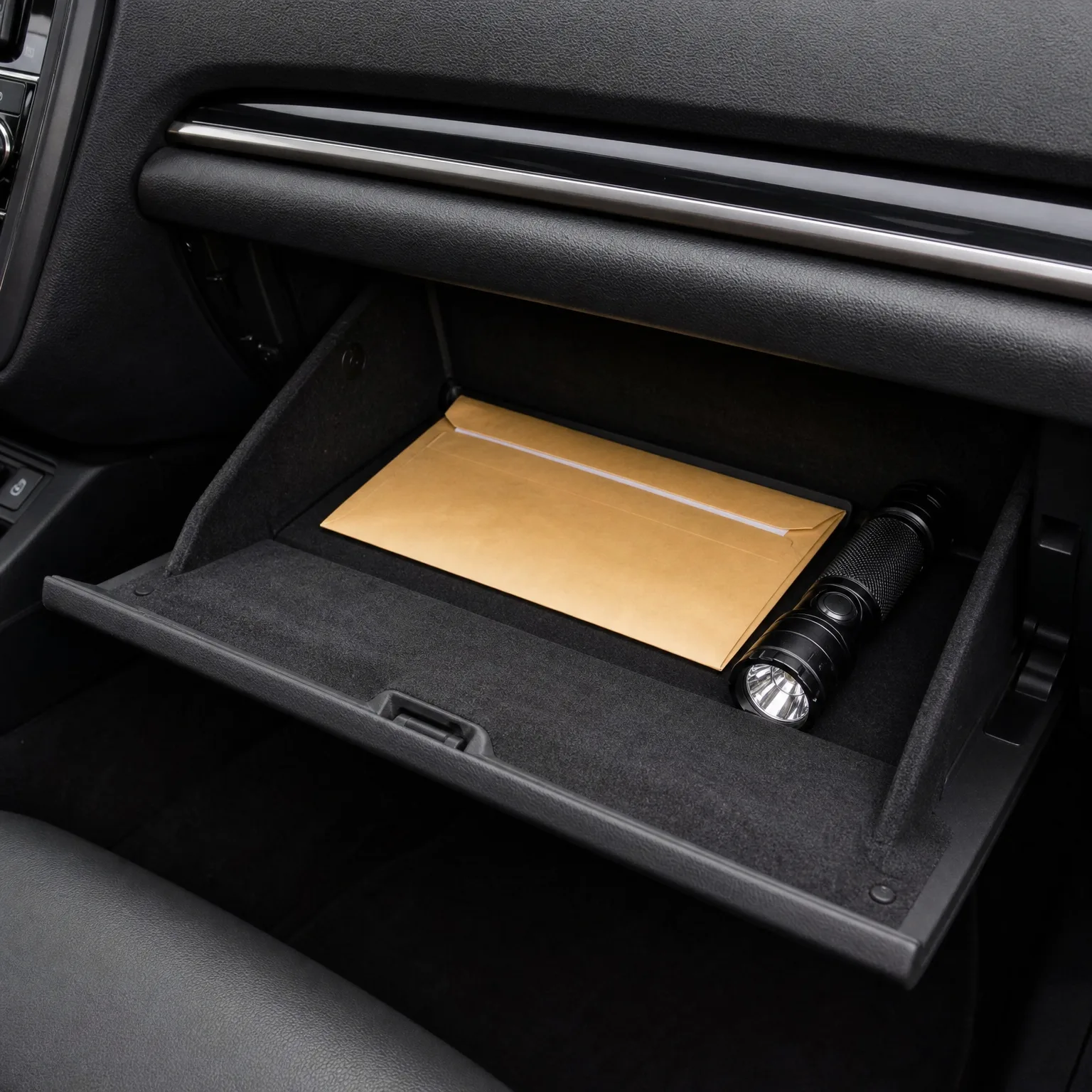
What to do before you hand over the keys
- Check the license first Ask for a driver's license and confirm the name matches who you've been talking to. This alone screens out most bad-faith buyers.
- Photograph the license Take a quick photo of their license before the drive. It gives you a record if anything happens and the driver disappears.
- Ride along every time Go with them on the drive, no exceptions. It keeps you in control of the route, the speed and how the car is treated.
- Plan the route yourself Suggest a short, specific route rather than letting the buyer choose. This limits your exposure and avoids surprises.
- Confirm your coverage first Call your insurer before selling and ask how test drives are treated. Some insurers limit or exclude coverage for unlicensed or unknown drivers.
Once you know how a test drive affects your coverage, compare quotes to see what protection looks like going forward.

Should you ride along on the test drive
If you do
You stay in control of the route, the pace and the condition of the car. If anything feels off, a hesitant driver, an aggressive turn, you can end the drive immediately. You also have a direct account of what happened if there's ever a dispute afterward.
If you don't
You lose visibility into where the car goes and how it's driven. If the buyer gets into an accident, speeds, or doesn't come back, you're relying entirely on their account and whatever insurance applies. Most private sellers who skip this step regret it.
A buyer who wanted to drive it alone
A seller listed a sedan and had a buyer reach out who seemed serious, asking detailed questions and offering close to the asking price. When they met, the buyer asked to take the car around the block alone, saying he'd feel more comfortable without someone watching. The seller said no, explained that he rides along with every test drive, and offered a short route he'd planned out near the house.
The buyer agreed without pushback, and the drive went fine, no issues, no hard feelings. The seller later found out from a neighbor that the same buyer had asked someone else in the area for a solo drive and been refused too. Nothing happened either time, but the seller felt better knowing he hadn't handed over the car and his liability to someone he'd just met. The sale went through a few days later with a different, more straightforward buyer.
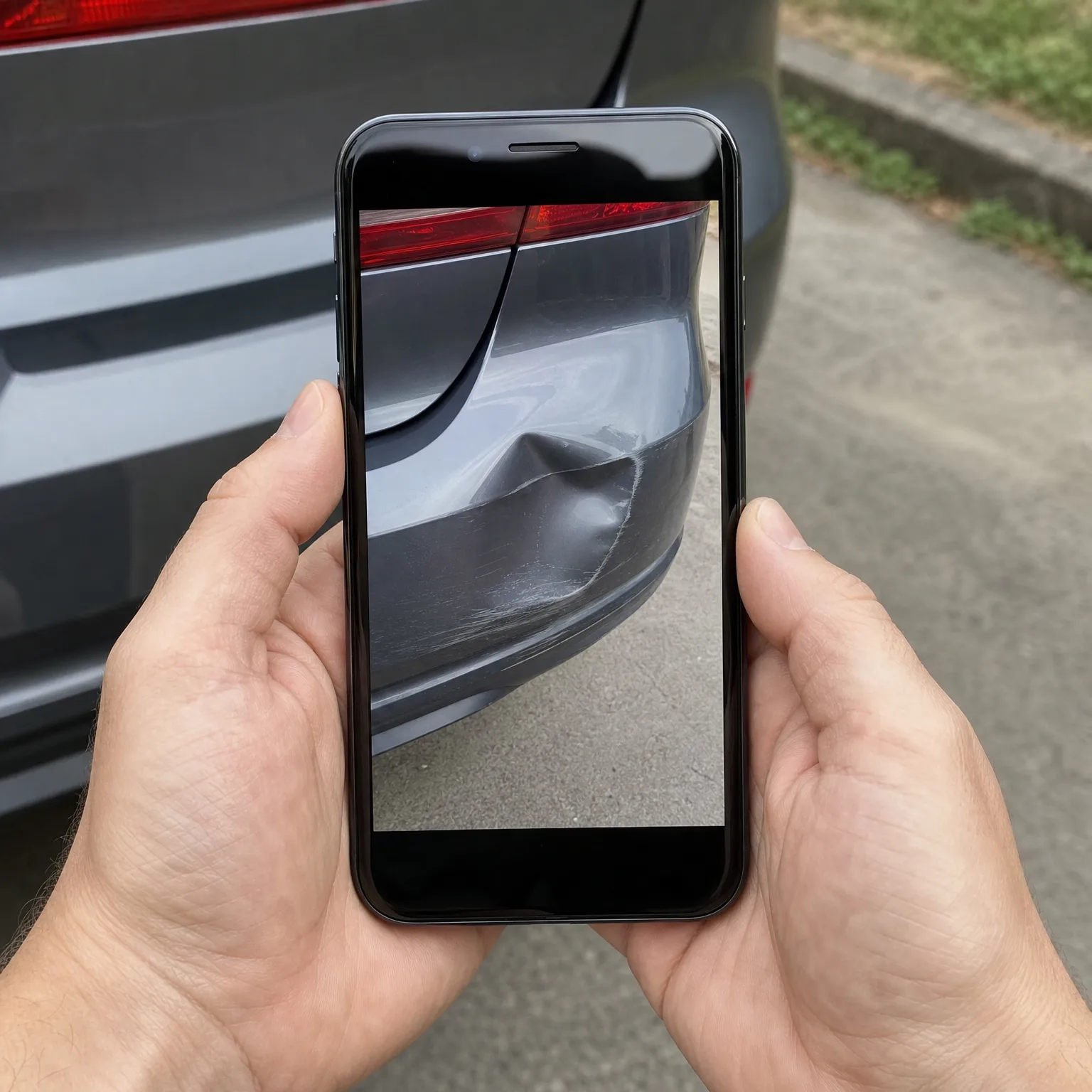
What if the buyer wrecks the car during the test drive?
In most cases your own car insurance is what responds first, since the policy follows the car rather than the driver. That means your liability coverage, your collision coverage if you carry it, and your deductible are all in play, even though you weren't the one driving.
This is exactly why riding along and checking the license matter so much beforehand. If the buyer is unlicensed or driving recklessly, you may run into coverage problems right when you need protection most. Before you sell, it's worth calling your insurer directly and asking how they handle test drives, since this is one of those situations that genuinely varies by company.