Should You Have Medical Payments on Your Car Insurance
Add medical payments coverage if you want your own medical bills and your passengers' bills paid quickly, without anyone arguing over fault.
A rear-ended left with bills before fault was settled
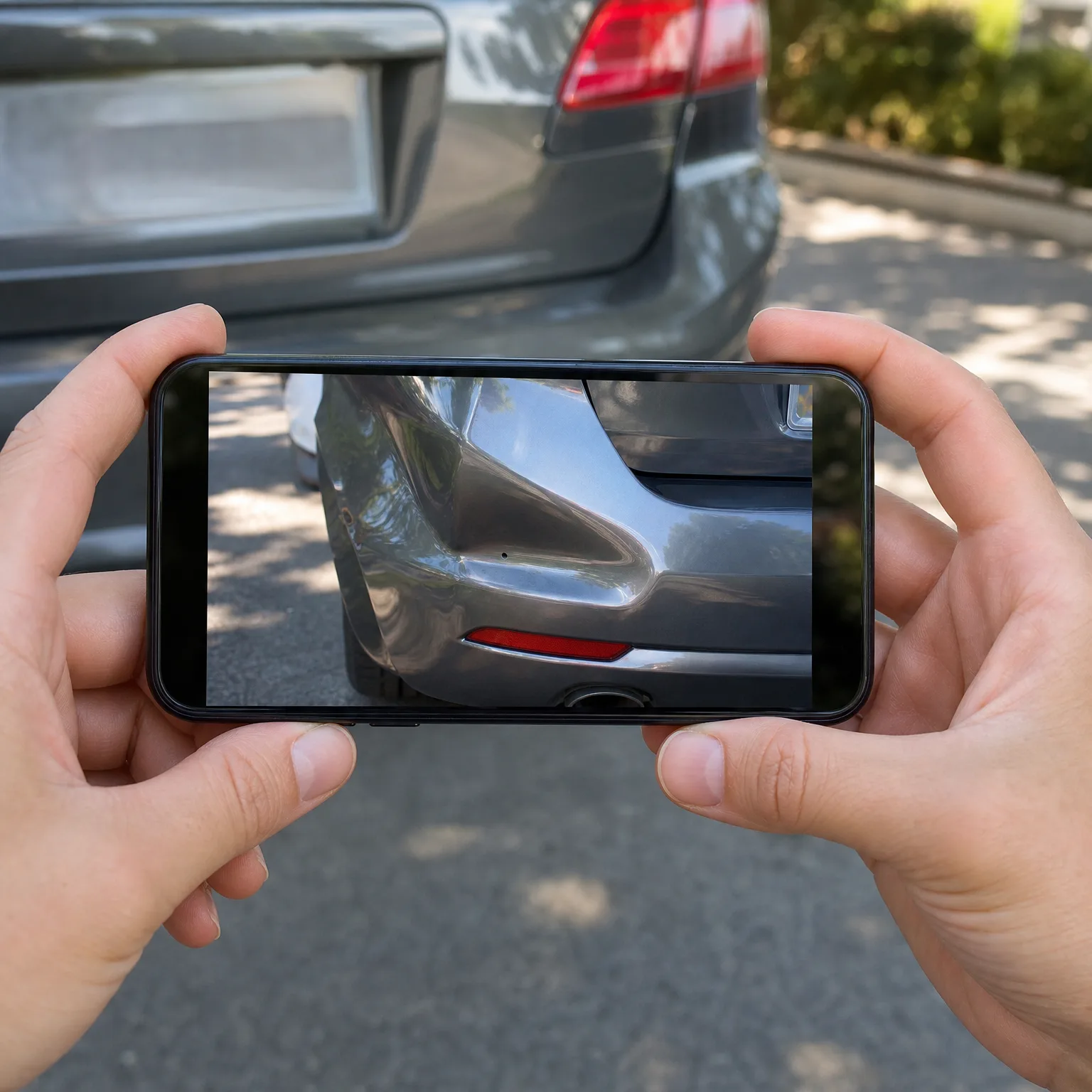
You're stopped at a light and someone hits you from behind. You go to the ER for a neck injury, and your passenger, your adult daughter, gets checked out too. The other driver's insurer accepts fault eventually, but that takes weeks, and your own health insurance has a deductible you haven't met yet.
Because you had medical payments coverage on your policy, those early bills got paid right away, no waiting on the other driver's insurer and no arguing about who caused the crash. Your daughter's bills were covered too, since she was a passenger in your car. When the other insurer finally settled, your insurer was reimbursed for what it had paid out. You kept the cash flow steady during the weeks that mattered most, and you didn't have to front money you didn't have sitting around.
The short version
Medical payments coverage is worth it if you want fast, no-fault payment of medical bills for you and your passengers, especially if your health insurance has a high deductible or doesn't cover passengers riding in your car. Check what your state requires and what your insurer offers before you decide. Then compare quotes with and without it.
Does medical payments coverage overlap with my health insurance?
Yes, it can, and that's the main thing to weigh. If you have solid health insurance with a low deductible, medical payments coverage may mainly save you from paying upfront and waiting for reimbursement, rather than saving you money you'd otherwise lose.
Where it stops overlapping is with passengers. Your health insurance doesn't cover the person riding in your car, but your medical payments coverage usually does. It also doesn't care who caused the crash, while health insurance sometimes delays claims until fault is sorted out. If you often drive others around, or your health coverage is thin, the overlap matters less and the coverage matters more.
Now that you know whether this fits your situation, compare quotes with and without it to see the real difference.
It fills the gap between the crash and the fault decision
Car insurance usually pays for someone else's injuries only after fault is figured out. That process can take time, and meanwhile your medical bills don't wait. Medical payments coverage exists to close that gap. It pays out regardless of who caused the accident, and it pays quickly, often before any other claim is settled.
The coverage follows you and your passengers, not just the car. If you're a pedestrian hit by a car, or riding in someone else's vehicle, your own medical payments coverage can still apply. That's different from health insurance, which only cares that you were injured, not how.
Where this plays out differently is based on what else you already have. If your state requires a similar coverage by another name, or if you already carry strong health insurance with no deductible, the extra protection matters less. If you drive with passengers often, carry a high health insurance deductible, or want bills paid without a fight over fault, it matters more.
Insurers vary in how much of this coverage they offer and what it costs to add. Some states handle this kind of coverage differently, folding it into no-fault systems that work on their own rules. Check what your state requires and what your insurer offers before deciding, since the baseline you're building on top of isn't the same everywhere.
This isn't about whether you'll get paid eventually. It's about who pays first, and how fast.
Does medical payments coverage cover passengers in my car?
Yes, in most cases it covers anyone riding in your car at the time of the accident, not just you. That's one of its main advantages over relying on health insurance alone, since passengers often aren't covered by your personal health plan. Check your policy's language on who counts as a covered passenger, since some policies have limits based on how many people were in the car or their relationship to you. If you regularly drive friends, family, or coworkers, this is worth confirming directly with your insurer.
Can I use medical payments coverage if the accident was my fault?
Yes, that's the main point of this coverage. It pays regardless of fault, unlike liability coverage which only pays for other people's injuries when you're found responsible. This matters most in accidents where fault is unclear or disputed, since you won't have to wait for an investigation to get bills paid. Some states have similar coverage built into their no-fault insurance systems, so check whether your state already requires something comparable before assuming you need to add it separately.
Is medical payments coverage the same as personal injury protection?
No, they're related but not identical, and the difference matters depending on your state. Personal injury protection is usually broader, sometimes covering lost wages or rehabilitation costs in addition to medical bills, and it's often required rather than optional. Medical payments coverage tends to be narrower and optional, focused specifically on medical bills. Some states default to one or the other, and some let you choose between them or add both. Check what your state requires and what your insurer calls each option, since the terminology isn't consistent everywhere.