Uninsured Motorist vs Full Coverage Explained
Uninsured motorist coverage pays for injuries from an uninsured driver, while full coverage repairs your own car regardless of cause.
When a widow discovered the two coverages meant different things
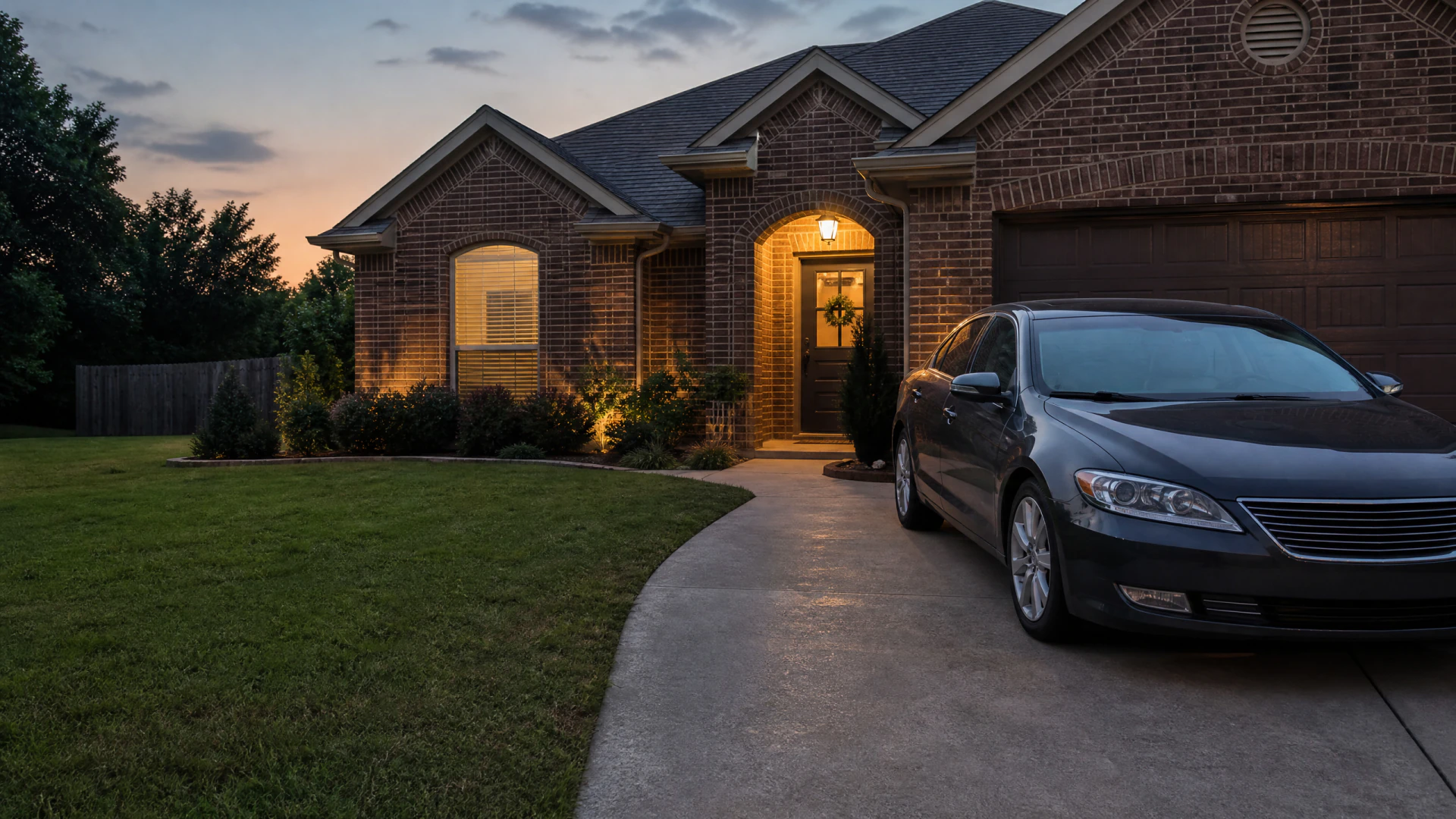
After her husband passed, a woman went through the policy he'd always managed and found both uninsured motorist coverage and full coverage listed as separate line items. She assumed they overlapped and considered dropping one to simplify the bill. Before changing anything, she called and asked what each one actually did.
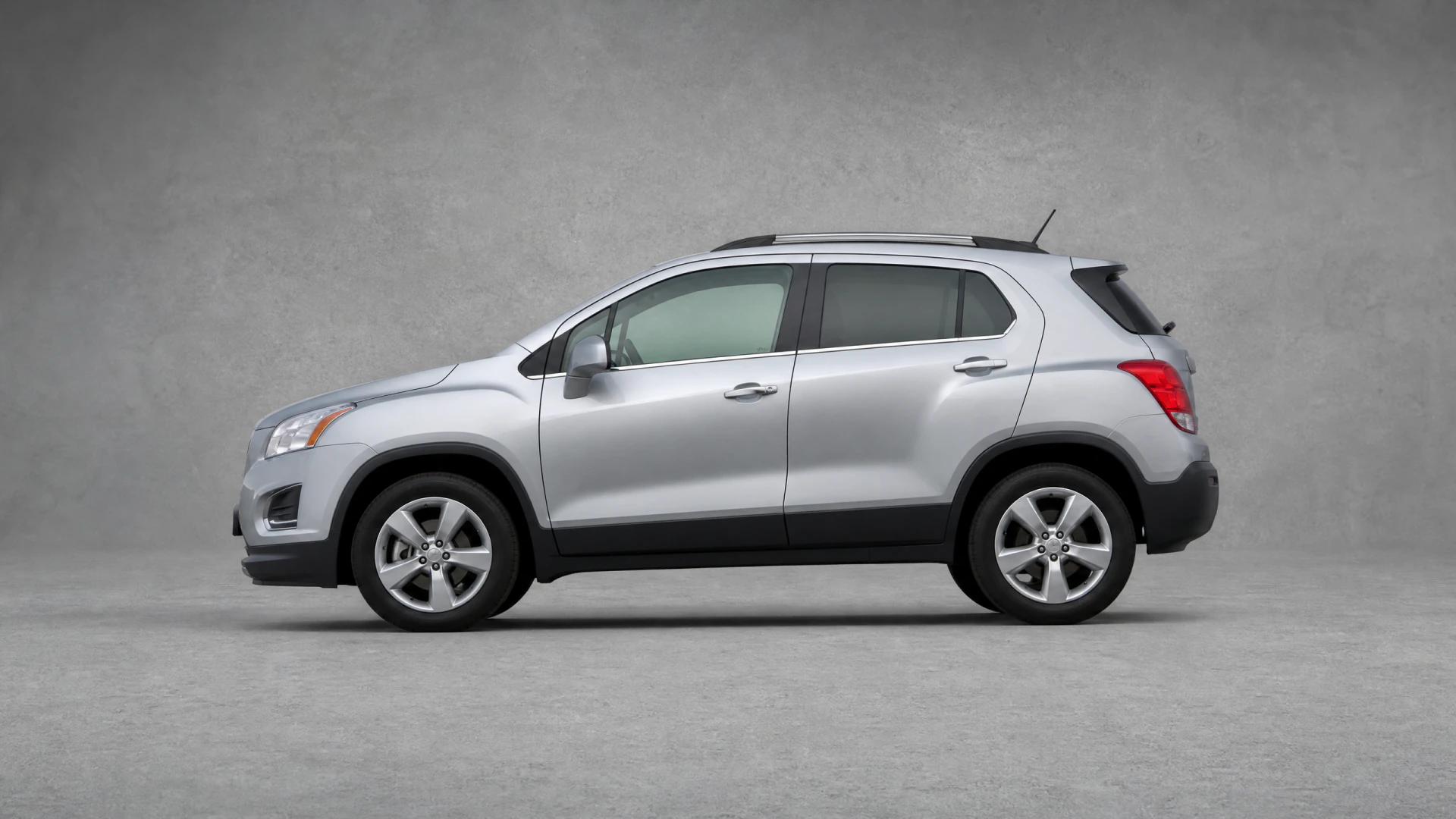
She learned that full coverage would pay to repair or replace her car if she hit something, and uninsured motorist coverage would pay her medical bills and the car's damage if someone without insurance hit her. Her car was ten years old but still her only way to get around, and she decided the risk of an uninsured driver causing a serious accident mattered more to her than the small premium difference. She kept both, dropped a few add-ons she didn't need, and felt steadier knowing exactly what she was paying for and why.
The short version
Uninsured motorist coverage pays you when the other driver has no insurance. Full coverage pays for damage to your own car regardless of fault. They solve different problems, so check your policy for both rather than assuming one includes the other.
Do you actually need both coverages or just one?
Whether you need both depends on what you're protecting against, not on cost alone. Full coverage protects the car itself, so if your car is older and you could afford to replace it yourself, you might decide that coverage isn't worth keeping. Uninsured motorist coverage protects you and anyone in your car from medical bills and lost income if someone without insurance causes a crash, and that risk exists no matter how old your car is.
Many people keep uninsured motorist coverage even after dropping full coverage, because the financial exposure from a serious injury is usually much higher than the cost of a damaged car. Check what your state requires, since some make this coverage mandatory or bundle it differently than others. If you're unsure, ask your insurer to show you the two costs side by side so you can weigh them against what you're trying to protect.
Once you know which coverages you actually need, compare quotes to see what keeping or dropping each one would cost.
What to check before you decide what to keep
- What each one actually covers Full coverage pays for your car's damage. Uninsured motorist pays for injuries and sometimes property damage caused by a driver with no insurance. Read your declarations page to see which you currently have.
- Your car's value If the car is worth little, full coverage may cost more than it's worth keeping. This doesn't change how much you need uninsured motorist coverage, since that protects people, not the car.
- State requirements Some states require uninsured motorist coverage or make you formally reject it in writing. Check your state's rules before removing it so you don't lose coverage you're required to carry.
- Who drives the car If someone else now drives a car that was in your spouse's name, make sure the policy reflects the actual driver. This affects both pricing and whether a claim gets paid without dispute.
- Medical payments overlap Health insurance may cover some injury costs that uninsured motorist coverage would otherwise pay. Ask your insurer how the two interact so you're not paying twice for the same protection.
Is uninsured motorist coverage required by law where I live?
It depends entirely on your state. Some require it outright, some require insurers to offer it while letting you decline in writing, and others leave it fully optional. Check your state's minimum insurance requirements directly, since this varies more than almost any other coverage type and affects whether you can legally drop it.
What happens if I drop full coverage on a car nobody drives?
If the car is paid off and not financed, you're generally free to drop full coverage and keep only liability and uninsured motorist protection. The risk is that any damage, theft, or total loss then comes entirely out of pocket. Check whether the car still has a loan, since lenders usually require full coverage until it's paid off.
Can I keep uninsured motorist coverage without full coverage?
Yes, these are separate coverages and you can carry one without the other in most states. This is common for older cars worth little, where owners drop full coverage but keep uninsured motorist protection for medical and injury costs. Confirm with your insurer that dropping one doesn't automatically remove or reduce the other on your specific policy.