What Are 12 Ways to Save Money on Car Insurance
The real savings come from matching the policy to the life you have now, not the one you had before.
Savings come from updating the policy, not just shopping it
A policy built around two drivers, two cars, and one household routine stops fitting once that routine changes. Insurers price a policy based on who drives, how often, and what the cars are worth. When one of those facts changes and the policy doesn't, you're often paying for a version of your life that no longer exists.
This is why going through the policy line by line usually saves more than switching companies outright. Coverage that made sense for a second driver or a second car may now be unnecessary. Discounts that applied to a two-driver household may need to be re-earned under a single name. None of this happens automatically. It only happens when someone asks.
Where this gets complicated is that some savings depend on your state or your insurer's own rules. How a policy treats a car that's rarely driven, or how it recalculates discounts after a change in drivers, isn't the same everywhere. Ask your insurer directly how your state handles these situations before you assume a rule from somewhere else applies to you.
The cases where this works out differently are usually about timing. If you make changes before you've decided whether to keep a car or a policy in someone else's name, you can end up redoing the work twice. It's usually better to settle the bigger decisions first, then adjust the details.
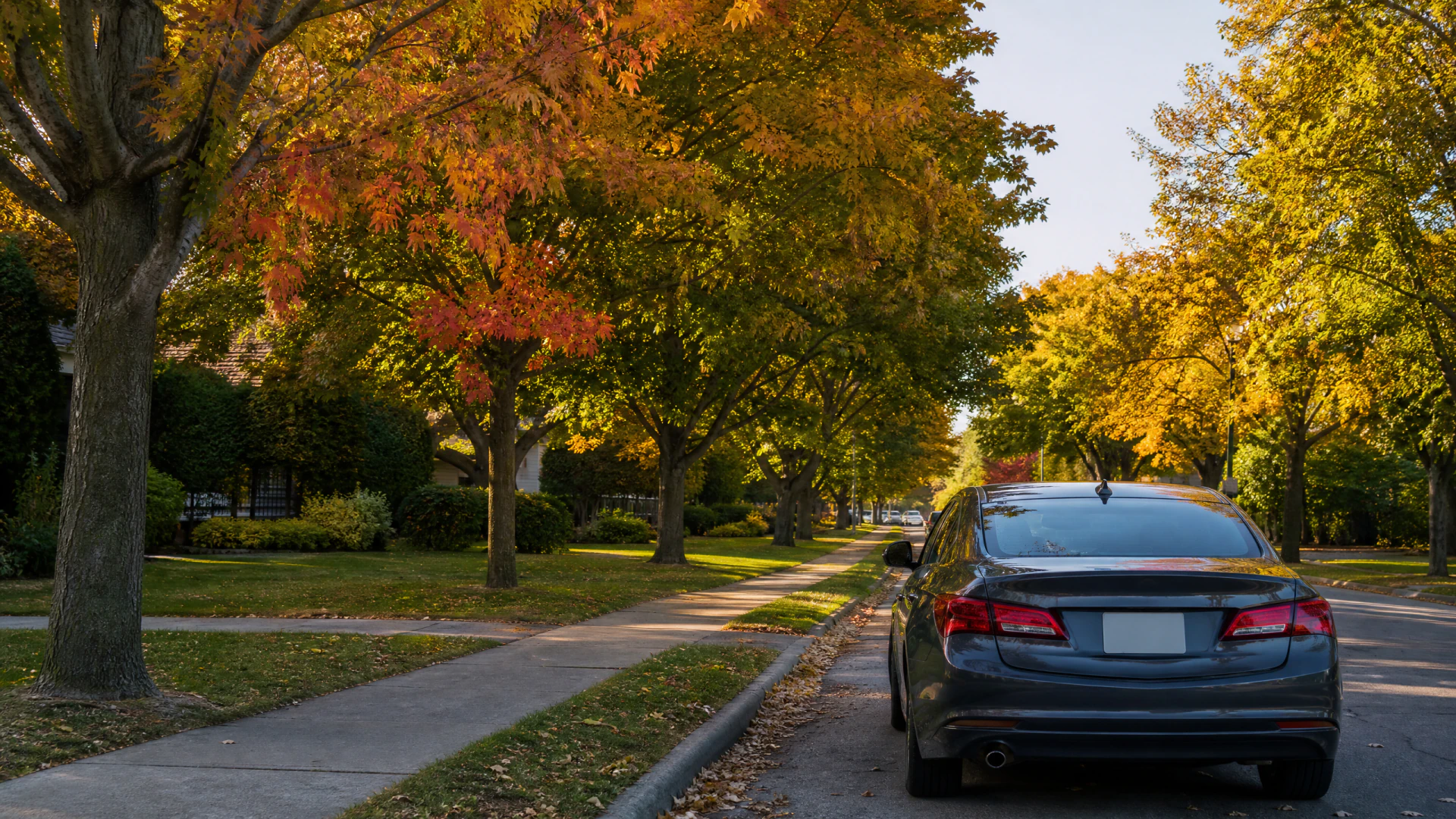
A policy still listing two drivers and a car that sits unused
A woman in her sixties came to her husband's policy a few months after he passed away. The policy still listed him as a driver, still covered his car, and still carried discounts tied to both of them driving. She didn't know which parts of the bill were tied to him and which were hers.
She called the insurer, explained the change, and asked them to walk through the policy piece by piece. They removed him as a driver, adjusted the coverage on his car since it wasn't being driven, and recalculated her discounts based on her own driving history. The bill dropped, not because she switched companies, but because the policy finally matched her actual situation instead of a household that no longer existed in the same way.

Once you know which changes actually apply to you, compare quotes to see what your updated policy should cost.

Whether you review the policy now or leave it as is
If you do
You find out which coverage, discounts, and listed drivers no longer match your life. You can remove what's unnecessary, adjust coverage on a car that sits unused, and make sure the policy reflects who's actually driving. This is usually when the clearest savings appear.
If you don't
The policy keeps charging for a household setup that no longer exists. You may keep paying for a second driver, duplicate coverage, or a car that isn't being used regularly. Nothing changes until you ask, so the same bill continues even as your situation has.

Twelve places to look for real savings
- Remove the other driver If your spouse is no longer driving, ask the insurer to remove them from the policy. This can lower the premium and simplifies who the policy actually covers.
- Reassess the unused car A car that sits unused may qualify for reduced coverage instead of full coverage. Ask what options exist if you're keeping it but not driving it.
- Re-check your discounts Many discounts are tied to specific drivers or combinations of drivers and cars. Ask which discounts still apply now that the household has changed.
- Compare bundling options If you're adjusting policies anyway, ask whether bundling home and auto coverage under your name saves more than keeping them separate.
- Review your coverage limits Coverage chosen years ago may not match your current needs or the car's current value. Ask whether your limits still make sense given what you drive now.
Should I sell the second car or keep it and insure it minimally?
There's no single right answer, but the decision usually comes down to how often the car would realistically be used and what it would cost to keep it on standby. If it's a reliable backup car, a visiting family member drives it, or you're not ready to make the decision yet, minimal coverage can be a reasonable middle step.
If it's been sitting for months with no real plan for it, the insurance and maintenance costs of keeping it often outweigh the convenience. Ask your insurer what reduced coverage options exist for a car that's rarely driven, since this varies by insurer and sometimes by state. Weigh that cost against what the car is worth and how much stress it's adding to decide either way.