What Are Some Examples of Car Insurance Exclusions
Common exclusions include rideshare or delivery use, unlisted household drivers, and damage from racing or intentional acts.
Exclusions exist because your policy is priced for a specific use
An insurer sets your rate based on how the car gets used and who's likely to drive it. When you apply, you describe a typical pattern, a commute, a usual driver list, personal errands. The exclusions in your policy are the gap between that description and anything outside it. If you start using the car in a way the policy didn't account for, the coverage may not follow you there.
The most common exclusion people run into is commercial use. Driving for a delivery app or rideshare service puts more miles on the road and more risk on the insurer, so a personal policy usually won't cover a crash that happens while you're working. A separate commercial or rideshare endorsement exists for exactly this reason, and without it you could be paying for coverage that quietly stops applying the moment you log into the app.
Another frequent one involves who's driving. If someone lives in your household and isn't listed on the policy, especially after a household change like a spouse's death, a claim involving them can be denied or reduced. Insurers want to know who's regularly behind the wheel, not just who owns the car. This is also why an unused car still needs attention, because a policy can lapse into the wrong category if nobody updates who drives it or how often.
Then there are exclusions tied to intent and legality, like racing, using the car to commit a crime, or driving with a suspended license. These exist because insurance covers accidents, not choices made knowing the risk. None of this is universal wording, though. Some states limit which exclusions an insurer can enforce, and insurers vary in how they define things like 'household member' or 'business use,' so the actual list is worth reading on your own declarations page rather than assumed from general examples.

A car sitting in the driveway after a spouse's death
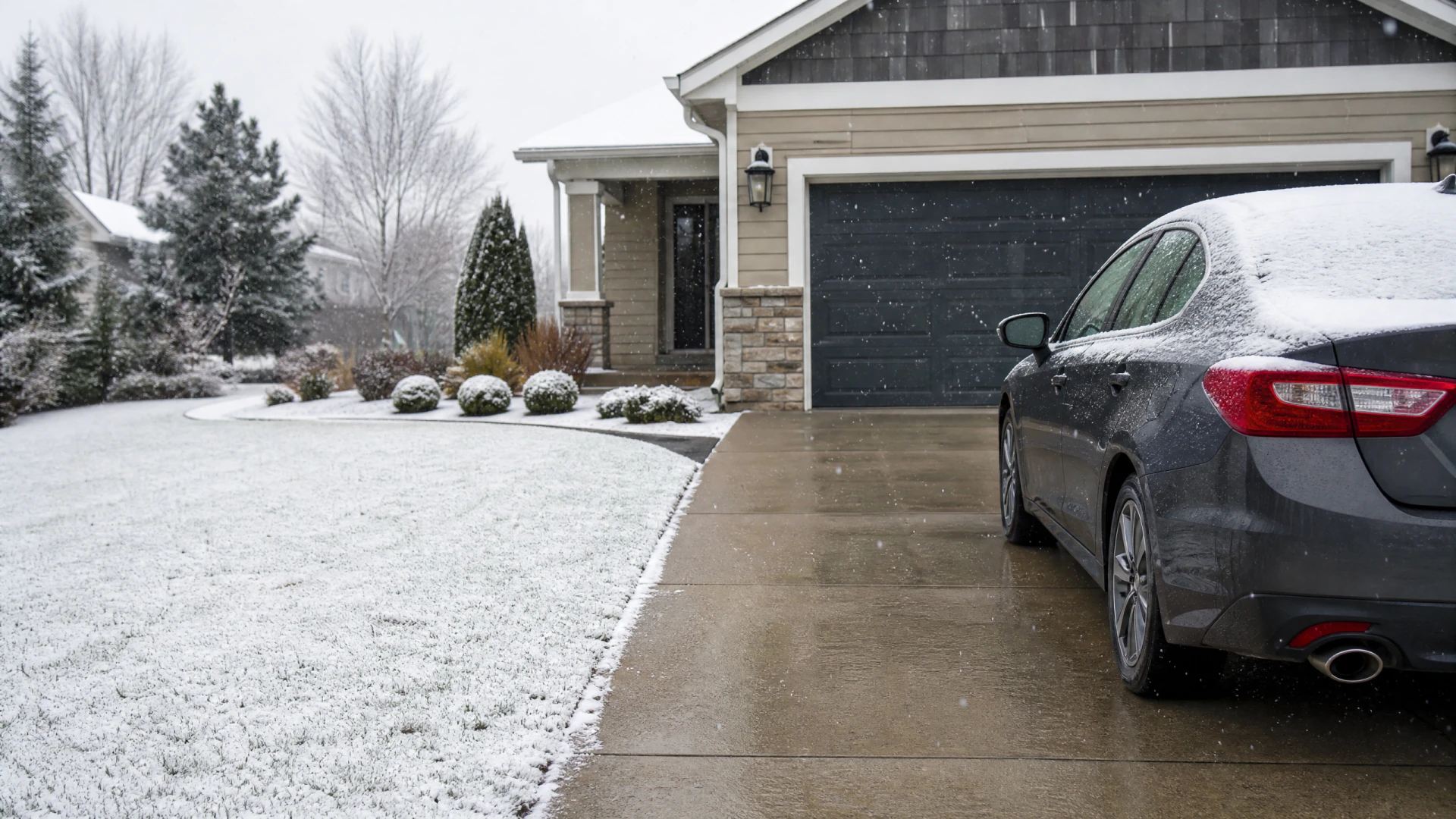
Say your spouse managed the insurance, and their name was the primary one on the policy. The car they used to drive to work now sits unused in the driveway. You keep paying the bill because canceling feels like one more complicated step, and you're not sure what happens to the coverage on a vehicle nobody drives. Meanwhile, your adult child has been staying with you and occasionally takes that car to run errands.
If your child isn't listed as a driver, any claim involving them in that car could be denied, because an unlisted household member driving regularly is one of the most common exclusions insurers apply. The fix here is to call the insurer, explain the situation plainly, and either add your child to the policy, switch the unused car to a storage-only or reduced-use coverage, or remove the car from the policy entirely if nobody plans to drive it. Walking through this with the insurer directly also resolves the ownership question, since the title and policy may still need to move into your name. Once that call is made, you know exactly what's covered and what isn't, instead of guessing.

Whether you update the policy now or leave it as it was
If you do
You tell the insurer who actually drives each car and how the cars are used now. Any excluded driver gets added, any unused car gets switched to appropriate coverage, and the policy reflects your household instead of your spouse's. Claims go smoothly because nothing you do falls into a gap the insurer didn't know about.
If you don't
The policy keeps running on old assumptions, listing your spouse as primary and leaving out anyone new who drives. If an unlisted driver has an accident, or an unused car needs different coverage, the claim can be denied right when you need it most, adding a financial problem on top of an already hard time.
Now that you know which exclusions apply to your situation, compare quotes that cover your household as it is today.
Does my policy list exclusions by name, or do I have to ask?
Some exclusions are spelled out directly in your policy document, usually in a section labeled exclusions or exceptions. Others are implied by definitions elsewhere, like how the policy defines a covered driver or a covered use, so you won't always see the word 'exclusion' attached to them.
The safest approach is to call the insurer and describe your actual situation out loud, who drives each car, what each car is used for, and anything that's changed recently. Ask them directly whether anything you described falls outside what's covered. This catches exclusions that are buried in definitions rather than listed plainly, and it puts the answer in terms that apply to you instead of generic policy language.
Can I remove a car from my policy without canceling the whole policy?
Yes, you can usually remove a single vehicle while keeping the rest of the policy active. Call the insurer and ask them to drop that car specifically. If the car is paid off and titled in your name, you can also choose to drop comprehensive and collision on it while keeping it registered, though check your state's minimum liability rules first since an unused car that's still registered and driven occasionally may still need some coverage.
What happens to car insurance when the policyholder dies?
The policy doesn't automatically cancel, but it needs to be updated with the insurer as soon as you can. Call them, explain the death, and ask what's required to move the policy or the title into your name. Until that's done, claims could be questioned over who the rightful policyholder is, so check with the insurer about any waiting period or documentation they need, like a death certificate.
Do I need to tell my insurer if someone new is driving my car regularly?
Yes, if someone in your household drives the car on a regular basis, not just occasionally, they generally need to be listed on the policy. The exact threshold for 'regular' varies by insurer, so ask them directly rather than guessing. Leaving a regular driver off the policy is one of the most common reasons a claim gets denied.