What Are the 3 Types of Car Insurance
The three types are liability, coverage for your own car, and coverage for medical costs, and most policies blend all three.
Each type answers a different question about who pays
Liability coverage answers one question: who pays when you're at fault and someone else is hurt or their car is damaged. It doesn't touch your own car at all. This is the part every state requires in some form, because it protects other people from the cost of your mistakes, not you from your own.
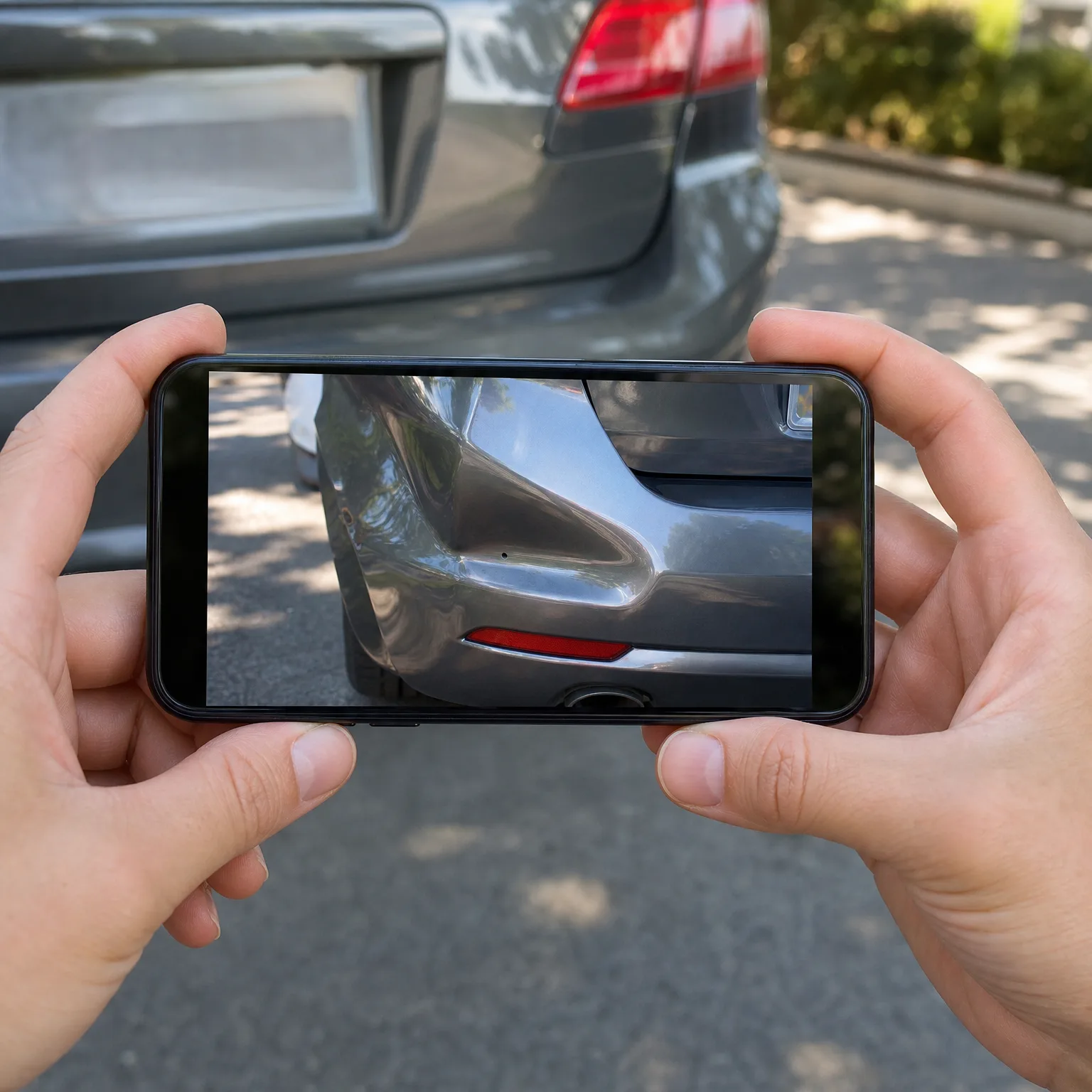
The second type covers your own vehicle. This usually splits into two pieces, one for collisions with another car or object, and one for everything else, like theft, weather, or hitting an animal. If a car is older or worth very little, this coverage sometimes costs more than the car itself is worth, which matters when you're deciding whether to keep it on a vehicle that no one drives much anymore.
The third type covers medical costs and related expenses for you and your passengers, regardless of who caused the accident. In some states this is required and comes with its own rules about what it pays for and in what order. In others it's optional, stacked on top of health insurance you may already have.
What varies is which of these are mandatory, how much is required, and what each one is called. Check your state's requirements directly, because the names and minimums differ, and a policy written for one state doesn't automatically transfer its assumptions to another. If you're updating a policy that's in someone else's name right now, this is the moment to see exactly which of these three your household currently carries, and at what level.

Sorting a policy with two cars and one driver left
A woman in her sixties came to this decision a few months after her husband passed away. The policy was in his name, covering his sedan and her SUV, and she had no idea what any of the coverage actually meant, only that bills kept arriving. She pulled out the declarations page and found all three types listed, liability, coverage for the cars themselves, and a smaller medical piece she didn't recognize.
She called to have the policy retitled in her name first, which didn't change the coverage itself but made sure claims wouldn't get delayed over ownership questions. Then she looked at the sedan, which sat in the garage untouched. She kept liability on it at a minimal level since it still needed to be registered, but dropped the coverage for the car itself, since repairing or replacing a car nobody drove didn't make sense. On her own SUV, she kept all three types in place, since she relied on it daily and wanted full protection. The whole process took one phone call once she understood what she was looking at.
Once you know which of the three types each car needs, compare quotes to see what that coverage costs now.

Whether you update the policy to reflect what you actually need
If you do
You pay for coverage that matches how each car is actually used, nothing extra tied to habits that no longer apply. You can ask clear questions when you call, because you know what each type does. Claims go smoothly since the policy reflects who owns and drives each car.
If you don't
You may keep paying full coverage on a car nobody drives, or carry gaps you don't realize exist. If a claim comes up, mismatched ownership or outdated coverage can slow things down or create disputes right when you need the payout most.
What to check on your current policy before changing anything
- Liability limits This is what pays if you're at fault for someone else's damage or injuries. Check what your state requires and whether your current limits meet or exceed that.
- Coverage on each car A car you drive daily needs different protection than one sitting unused. Decide car by car instead of treating the policy as one bundle.
- Medical payment coverage This pays for injuries to you or passengers no matter who caused the crash. See if it's required in your state and whether it overlaps with existing health insurance.
- Whose name is on it A policy still in a spouse's name can complicate a future claim. Update ownership details as soon as you're ready, even if you're not changing coverage yet.
- Unused vehicle status A car no one drives may still need some coverage to stay registered. Ask directly what the minimum is if you plan to keep it without using it regularly.
Should I drop coverage entirely on a car no one drives anymore?
Not entirely, in most cases. Even an unused car usually needs to stay registered if it's still titled and parked somewhere accessible, and most states require at least liability coverage for a registered vehicle. Dropping every type of coverage can also leave the car uninsured against theft, weather, or fire, which still happens to parked cars.
What you can usually drop is the coverage that protects the car itself from collision damage, since that only matters if the car is being driven. If you're planning to sell the car soon, ask about short-term options for the gap between now and the sale. If you're keeping it indefinitely for family or sentimental reasons, ask specifically what minimum coverage keeps it legal and protected without paying for protection it doesn't need.