What Are the 6 Basic Components of Car Insurance
Every car insurance policy is built from six parts, and knowing them tells you exactly what you're paying for.
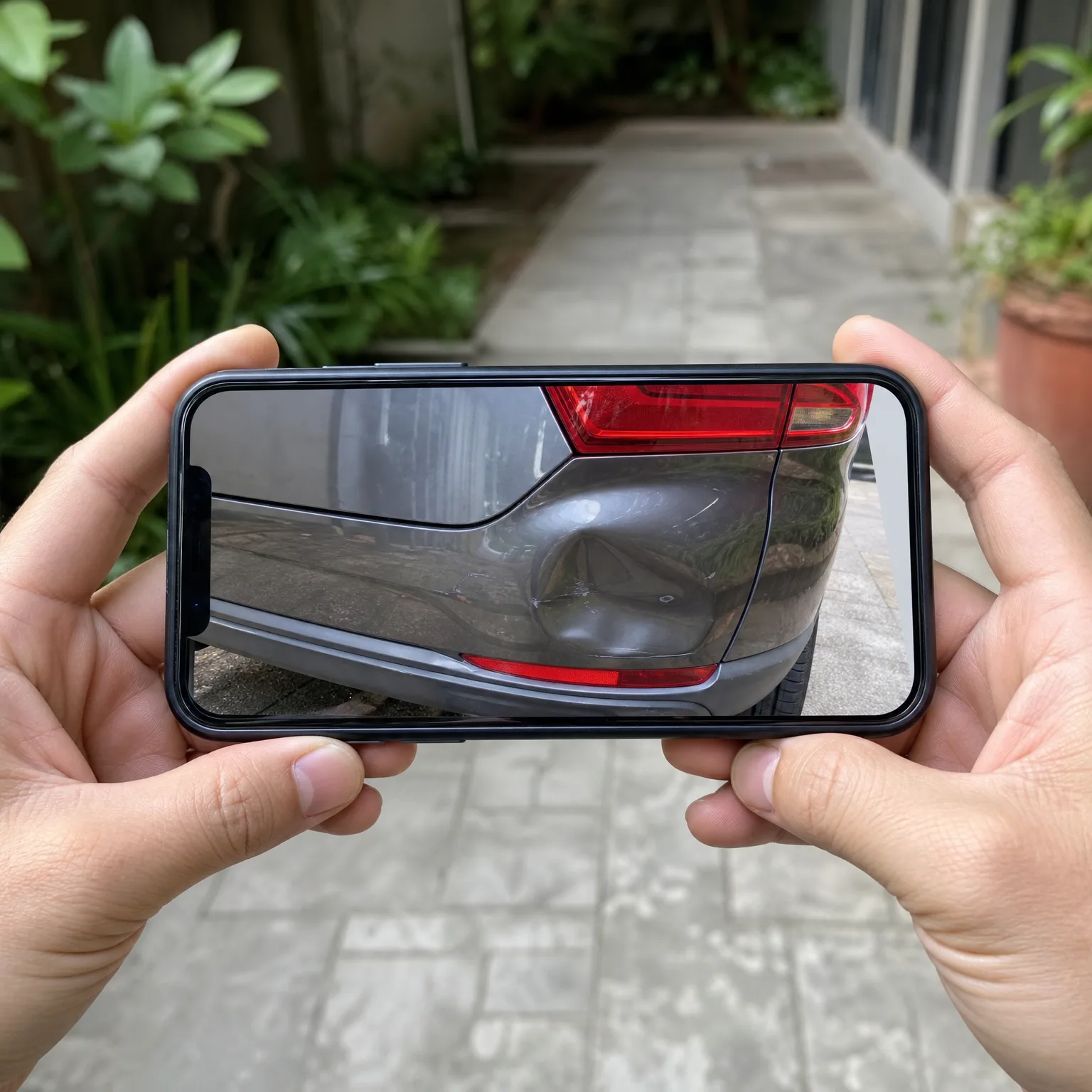
The six parts that make up any car insurance policy
- Liability coverage This pays for damage or injury you cause to someone else. Check both the bodily injury and property damage amounts, since they're separate and both matter.
- Collision coverage This pays to repair or replace your own car after an accident, no matter who caused it. If the car in question isn't driven much, decide whether this is still worth keeping.
- Comprehensive coverage This covers theft, weather, animals and other non-collision damage to your car. It's usually paired with collision, so look at them as a set when deciding what to drop.
- Uninsured motorist coverage This protects you if the other driver has no insurance or not enough. Some states require it and others don't, so check what applies where you live.
- Medical payments or PIP This pays medical bills for you and your passengers after an accident, regardless of fault. Whether it's offered or required depends on your state, so check which applies.

The short version
Every policy is built from the same six parts: liability, collision, comprehensive, uninsured motorist, medical payments or PIP, and sometimes add-ons like rental coverage. Knowing which parts a policy has tells you what's actually covered. Pull up the current policy, match each line to one of these parts, and you'll know exactly what you're keeping, dropping or changing.
Which of these parts can you drop without losing important protection?
It depends on the car and the situation, not a fixed rule. Liability coverage is required almost everywhere, so that one stays. Collision and comprehensive are usually optional once a car is paid off, and for a car that sits unused most of the time, dropping or reducing them can make sense, especially if the car's value is low.
Uninsured motorist and medical payments or PIP are a different story. These protect you and the people riding with you, not the car, so they matter even on an older vehicle. Before dropping anything, check whether your state requires it and look at what you'd actually lose. If you're unsure, ask directly what happens if you remove a specific part, rather than guessing.
Now that you know what each part covers, compare quotes with a clear sense of what to keep and what to change.
Sorting out a policy that was in a spouse's name
A woman in her early sixties found herself holding a policy that covered two cars, hers and her late husband's, which now sat in the garage unused. She didn't know what most of the lines on the declarations page meant, only that the bill arrived every month and she didn't want to make a mistake by changing something important.
She went through the policy part by part. The liability and uninsured motorist coverage she kept as they were, since those protected her regardless of which car she drove. On the unused car, she dropped collision and comprehensive, since repairing or replacing a car nobody drove didn't make sense anymore. She called to ask directly what each change meant before confirming anything, and ended up with a policy she actually understood, at a lower cost than before.
Why insurance is split into these six parts
Car insurance is divided this way because the risks it covers are genuinely different from each other. The damage you cause to someone else is a different kind of risk than the damage done to your own car, and both are different again from medical costs or from getting hit by a driver who carries no insurance. Splitting the policy into parts lets you carry only what fits your situation instead of one blanket coverage that doesn't match anyone's needs.
This is also why some parts are required and others aren't. Liability exists to protect other people from the harm you might cause, so states require it broadly. The other parts mostly protect you and your own property, so states leave more of that choice to you, within limits that vary by where you live.
The parts that often confuse people are the ones tied to the car itself, collision and comprehensive, because whether they're worth keeping depends entirely on the car's value and how it's used. A car that's paid off, low in value or rarely driven often doesn't need the same coverage as a car you depend on daily. There's no universal answer here, only a question of what you'd actually be protecting.
Where this plays out differently is in households where one person managed everything. The policy may include parts added years ago for reasons that no longer apply, like coverage shaped around a job, a commute or a car that's gone. Going through each part now, instead of assuming it's all still necessary, is how you end up with a policy that fits your life as it is.