What Can Void Your Car Insurance Policy
A policy becomes void when the information behind it stops matching reality, not because a name on it has died.
Why a policy breaks down and when it doesn't
An insurance policy is a promise built on facts you gave the insurer when you signed up. Who drives the car, where it's kept, how it's used. When those facts change and the insurer isn't told, the policy can still look active while actually standing on outdated information. That gap is what causes trouble, not the passage of time on its own.
Losing a spouse changes some of those facts whether or not anyone meant it to. If the policy was in their name only, you may technically not be a listed policyholder anymore, even though you're the one paying and driving. If a car now sits unused in the garage, the insurer may still assume it's being driven daily, which affects what you're paying for and what's actually covered.
This works differently depending on how the policy was set up. A joint policy with both names listed usually continues without issue, since you were already a named party. A policy solely in your spouse's name is the riskier case, because insurers generally need a living, current policyholder on file, and an estate or a surviving spouse isn't automatically that person until the paperwork catches up.
In most cases none of this voids coverage overnight. Insurers aren't looking for a reason to cancel a grieving policyholder. But if a claim happens while the facts on file are wrong, that's when a company can dispute it. The fix is straightforward even if it feels like one more task. You call the insurer, explain the situation, and ask what needs updating.
Will my coverage be denied if I haven't updated the policy yet?
Not automatically, and not just because time has passed since your spouse died. Insurers understand that paperwork doesn't get handled the same week as a loss. What actually puts a claim at risk is a mismatch between what the insurer has on file and what's really true, discovered at the exact moment a claim is being reviewed.
So the real question isn't how much time has gone by. It's whether the driver, the address, and the way the car is used still match what the insurer believes. If you've been driving the car regularly and nothing else has changed, you're likely still covered while you sort out the name on the policy. If the car is sitting unused, or you're not sure whose name is actually on file, that's worth a call sooner rather than later.

Once you know what needs updating, compare quotes with a policy that actually matches your situation.

What to check before anything causes a problem
- Who's listed as policyholder If the policy is only in your spouse's name, insurers typically need it transferred to you. Call and ask what documents they need to make that change.
- An unused second car A car nobody drives can still need coverage, or it may qualify for a lower-use category instead. Tell the insurer it's sitting idle so the policy reflects reality.
- Garaging address changes If the car moved, or you moved, the address on file needs to match. This affects both pricing and whether a claim gets questioned later.
- Who's actually driving now If someone new is regularly driving the car, like an adult child helping out, the insurer usually wants that person listed. Leaving it off can complicate a claim involving them.
- Lapses from missed payments Grief makes bills easy to lose track of. Set up autopay or a reminder so a missed payment doesn't quietly end the coverage you're relying on.

A second car nobody was driving anymore
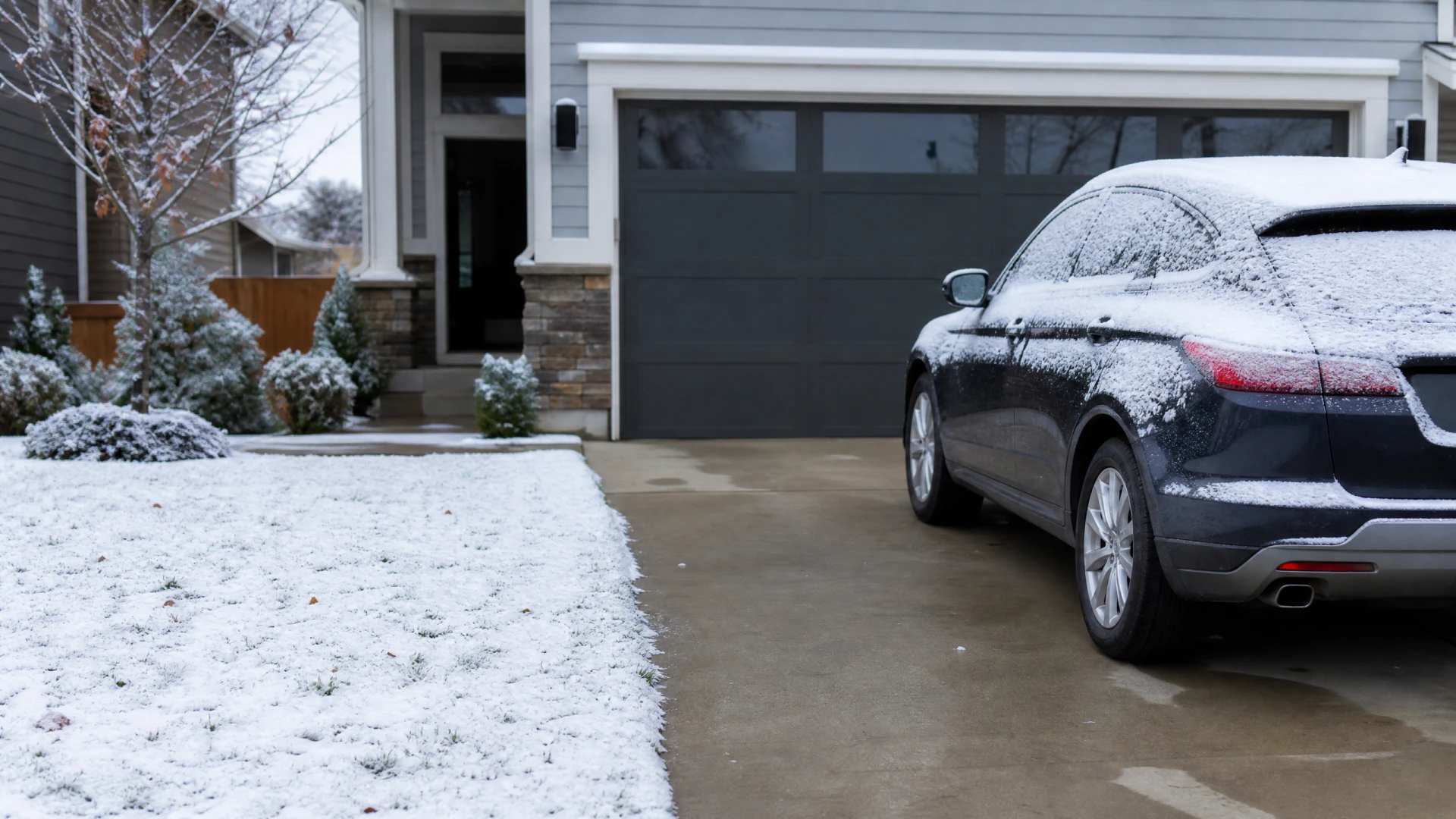
After her husband died, a woman kept paying the same insurance bill out of habit, covering both their cars exactly as it had been for years. One car she drove daily. The other, his, sat in the driveway untouched for months while she worked through probate and decided what to do with it.
She called the insurer mainly to ask about transferring the policy into her name, and mentioned the second car almost as an afterthought. The agent pointed out that a car driven rarely or not at all usually qualifies for different coverage, often at a lower cost, and that leaving it listed as regularly driven wasn't doing her any favors. She switched that car to a reduced-use category, kept full coverage on the one she actually drove, and ended up paying for what was true instead of what used to be true.

Coverage fails when paperwork stops matching reality, not because someone died.