What Does 250 500 100 Car Insurance Mean
250/500/100 sets three liability caps, per person injury, per accident injury, and property damage, each one higher than the last.
When a second car and an old policy collide
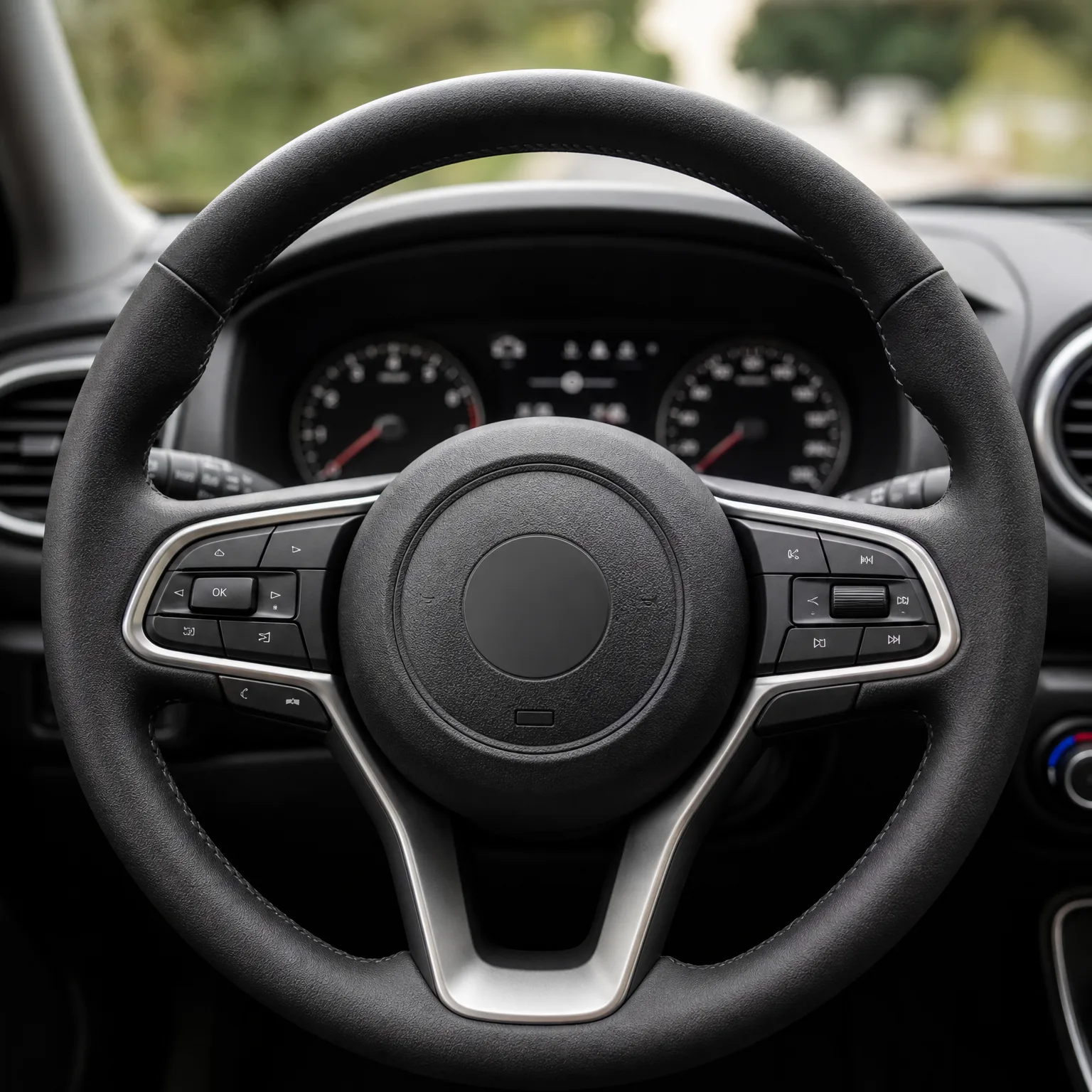
After her husband passed, Carol found the insurance card in his glove box and saw 250/500/100 printed on it. She didn't know if that was good coverage or something she needed to change now that she was the only one on the policy. She also had his old sedan sitting in the driveway, untouched for months, still insured under the same plan.
She called the insurer, confirmed the limits meant a separate cap for one person's injuries, a higher total cap when more than one person is hurt, and a cap for property damage. Since she had some savings and a house, she kept those limits rather than lowering them. For the sedan, she decided to remove it from the road entirely rather than pay to insure a car nobody drove, which let her drop that vehicle's coverage and keep her own car protected at the same level.
The short version
250/500/100 is a per person injury cap, a higher per accident injury cap, and a separate property damage cap. These numbers protect your savings and assets if you cause an accident. Keep this in mind as you decide what to do with your policy and any unused vehicle, then compare quotes with those decisions made.
Should I lower these limits to save money?
Probably not, and the reason has nothing to do with how often you drive. These limits exist to protect what you own if you're at fault in a serious accident. A single injury claim can easily exceed lower limits, and when that happens you're personally responsible for the difference, not the insurance company.
If you own a home, have savings, or expect to inherit assets from your spouse's estate, these limits are doing real work for you. Lowering them might shave a little off your bill, but it shifts real risk onto you. The better place to look for savings is usually removing a car you no longer drive, not shrinking the protection on the one you keep.
Now that you know what these limits protect, compare quotes to see what that coverage actually costs.
Why insurance is split into three separate numbers
Car insurance liability coverage is broken into three limits because injuries and property damage are different kinds of risk, and insurers price them separately. The first number is the most your policy pays for one person's injuries in an accident you caused. The second is the total your policy pays for all injuries in that same accident, if more than one person is hurt. The third is the limit for damage to someone else's property, usually their car, but sometimes a fence or a building.
These numbers exist as a ceiling, not a guarantee. Your insurer pays up to that amount, and if the actual costs are higher, you're responsible for the rest out of your own pocket. That's the core reason these limits matter more as you get older and accumulate more to protect. A young renter with no savings has less exposed. Someone with a house, investments, or a spouse's estate has considerably more at stake if a claim exceeds the policy's limits.
What counts as adequate varies by state, because some states set higher minimum requirements and some court systems award larger judgments than others. It also depends on what you own and what you could be sued for beyond the policy limit. Check your state's minimum requirements and compare them to 250/500/100 to see how much higher than the minimum this actually is.
There are cases where these limits matter less, like if you no longer own a car and are only maintaining coverage for an unused vehicle you plan to sell or stop insuring. In that case the decision isn't about adjusting limits, it's about whether you need that policy at all.
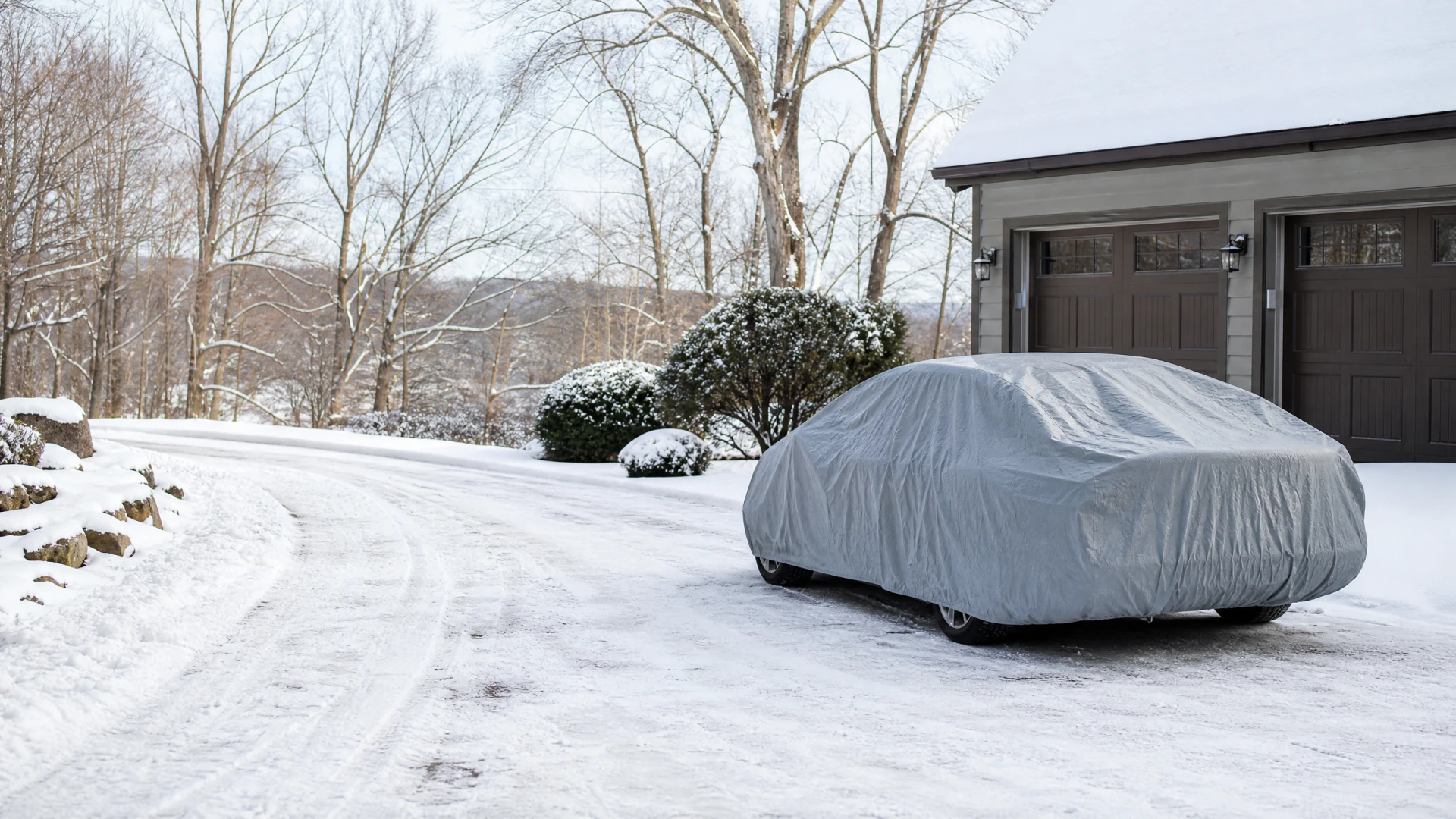
Do I need to keep both cars insured if one isn't being driven?
No, you don't need to keep a car insured if it's not being driven and not registered for road use. Check with your state's motor vehicle agency about options like putting the car in non-operational status, which usually lets you drop liability coverage while keeping minimal protection against theft or damage. What changes the answer is whether you plan to sell the car soon, since some buyers expect to see it insured and running during a test drive.
How do I change the name on a car insurance policy after a spouse dies?
You contact the insurer directly and provide a death certificate, then ask to have the policy transferred solely into your name. This usually doesn't cause a lapse in coverage if done promptly, and it ensures claims and bills go to the right person going forward. What changes the process is whether the car's title is also still in your spouse's name, since you may need to retitle the vehicle first depending on your state.
Will my car insurance rate change after removing a driver from my policy?
Yes, it often changes, though the direction depends on who was removed and their driving record. If your spouse had a clean record and some discounts tied to their history, removing them can sometimes raise your rate slightly. Ask your insurer to walk through the new rate line by line so you understand what shifted, since bundled discounts and multi-driver pricing can affect the total in ways that aren't obvious upfront.