What Does 500 Dollar Collision Coverage Mean
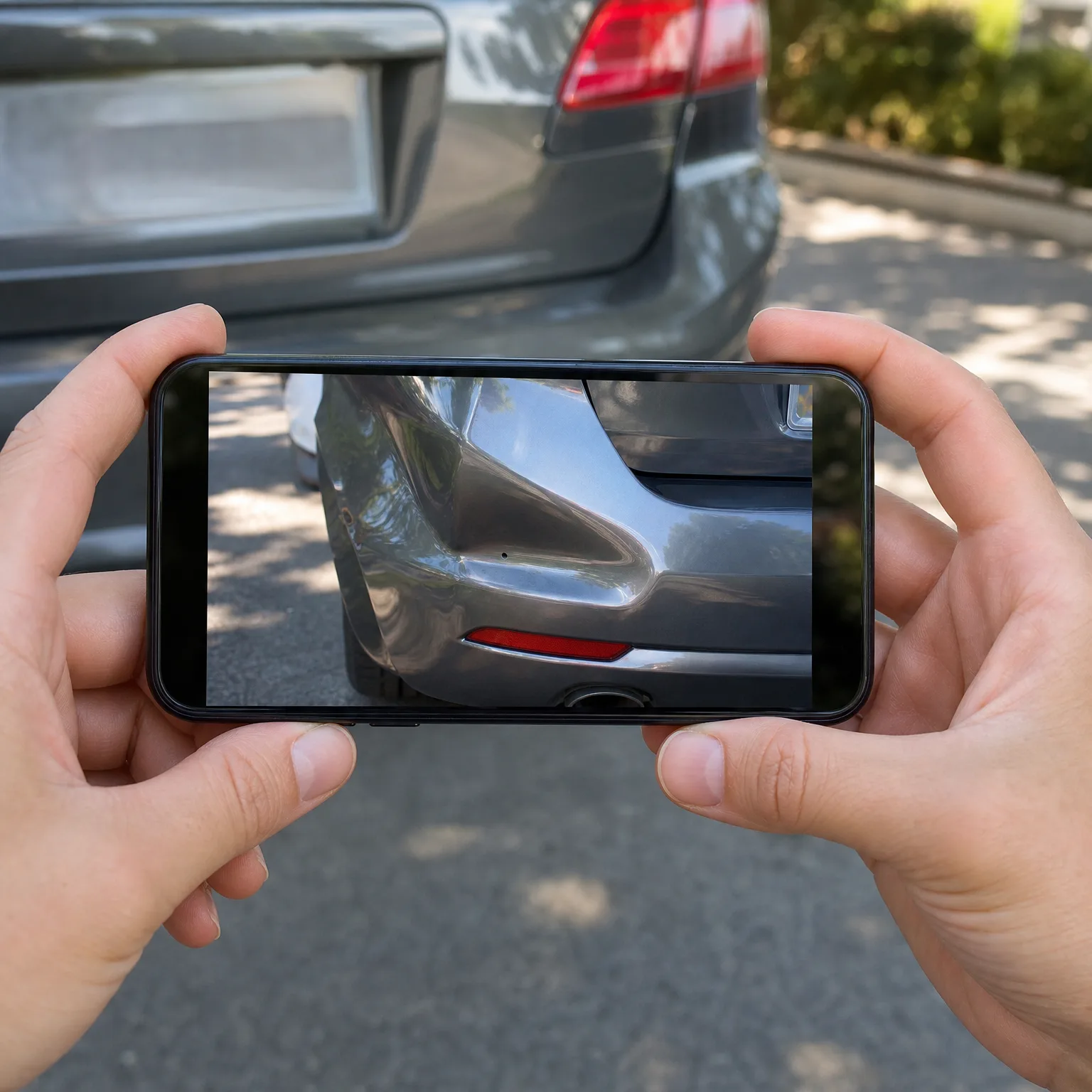
It means you pay the first 500 dollars of repair costs after a crash, and the insurer covers the rest up to your car's value.
What the 500 dollar figure actually controls
- Your out of pocket cost If your car is damaged in a collision, you pay 500 dollars before coverage pays anything. Keep that amount somewhere you can get to it quickly, not just on paper.
- Your monthly premium A 500 dollar deductible usually costs less per month than a lower one, and more than a higher one. Compare the difference in premium against how much cash you'd rather keep on hand.
- Whether a claim is worth filing For damage close to 500 dollars, filing a claim may barely cover itself. Get a repair estimate first, then decide if the claim is worth it.
- What an unused car needs If a car sits unused, collision coverage still carries this deductible but may not be worth paying for at all. Decide if that car needs collision coverage, or just liability, or none.
- How it ties to the car's value If the car is older, the payout after your deductible may be small. Check the car's value against what you'd receive before assuming the coverage is worth keeping.
Should I change my deductible now or leave it alone?
Leave it alone until you understand the full policy, then decide deliberately rather than by default.
A deductible your spouse chose was likely picked for a reason, maybe based on savings at the time, maybe based on a car that's now gone. Before changing anything, find out what the premium difference actually is between deductible amounts, since insurers vary in how much that difference costs. Also check whether your state or insurer ties the deductible to other parts of the policy, since that's not universal.
If you have enough set aside to cover 500 dollars without strain, there's rarely urgency to change it right after a loss. If money is tighter now, or if a car is no longer being driven, that's when raising the deductible or dropping collision coverage on that car becomes worth a real look, not a snap decision made while you're still sorting through everything else.

Whether you keep collision coverage on a car nobody drives
If you do
You keep paying for collision coverage, deductible and all, even though no one is driving the car. If it's ever damaged while parked or in an accident, you're still covered after paying 500 dollars. You avoid any gap if someone starts driving it again soon.
If you don't
You stop paying for collision coverage on that car and lower the premium. If it's damaged, you cover repairs yourself, since there's no deductible to meet because there's no coverage. This only makes sense if the car has little value or isn't being driven.
Once the deductible and the second car are settled, compare quotes to see what the policy should look like now.

A policy inherited mid-decision
A woman named Carol found herself with two cars insured after her husband passed, one he drove daily and one that had been sitting in the garage for months before he got sick. The policy listed a 500 dollar collision deductible on both cars, something he'd set up years earlier when the second car was still in regular use. She didn't know why that number was chosen, only that the bill each month covered both cars at the same level.
She pulled the policy details and called to ask what the premium difference would be if she raised the deductible on the car still in use, and what she'd save by dropping collision coverage entirely on the one in the garage. The car in the garage had lost most of its value over the years, so even a full payout after the deductible wouldn't have been much. She dropped collision on that car, kept it on the one she drove, and left that deductible where it was since she had enough saved to cover it comfortably. The change lowered her monthly bill without leaving her exposed on the car she actually needed.
The deductible isn't a fixed rule, it's a choice someone made, and you're allowed to make a different one.